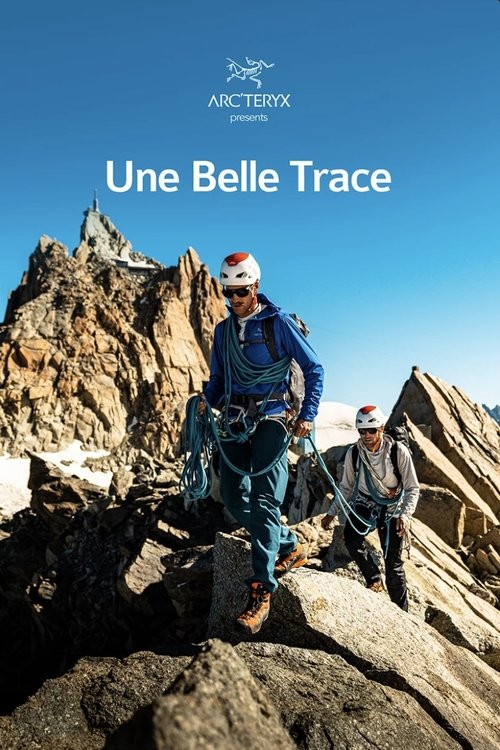
July 2022. Two high mountain guides, Frédéric Dégoulet and Benjamin Ribeyre embark on a journey around the Mer de Glace via the most legendary peaks of the Mont-Blanc massif.
Himself
No Trailers found.
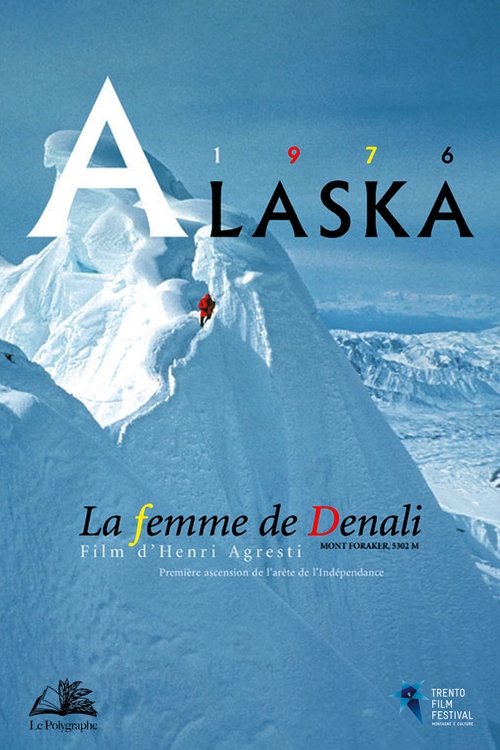
The film of the first ascent of Mont Foraker (5,304 m) in the Denali chain in Alaska, by the southeast ridge of independence in 1976, which remains years after an unequaled sporting and human adventure. The 7 members of the expedition, Henri Agresti, Jean-Paul Bouquier, Jean-Marie Galmiche, Werner Landry, Gérard Creton, Isabelle Agresti, Hervé Thivierge, all came to the top after thirty days of climbing in conditions still limits. Breathtaking images where the grandiose views of the icy desert and the scenes of daily life alternate on a most rough mountains on the planet. The film received the Gentiane d'Or Festival prizes from Thirty 1977, Public Prize Festival des Diablerets 1977, SFP Festival de la Plagne in 1977.
REEL ROCK cranks it up to 11 with our latest collection of electrifying climbing films showcasing the sport's biggest stories and athletes. Featuring Ashima Shiraishi, Will Stanhope, Matt Segal, Brette Harrington, Kai Lightner, Mike Libecki and the Wild Bunch.
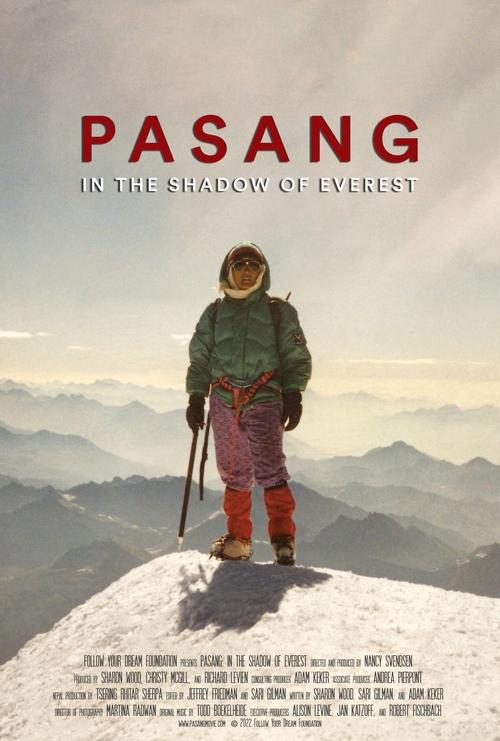
Transcending cultural barriers and consistently going against the grain, female Nepali climber Pasang Lhamu Sherpa attempted to summit Everest four times in the early nineties. Although she was not allowed to attend school as a child, Pasang did not let that stop her from pursuing her dreams. After founding her own trekking company in Kathmandu, she blazed a trail for Nepali women via her efforts to summit Everest. Proving how big you can dream and how far you can go to achieve those dreams, she left a legacy not only for the family she has left behind, but for the myriad women following in her footsteps.
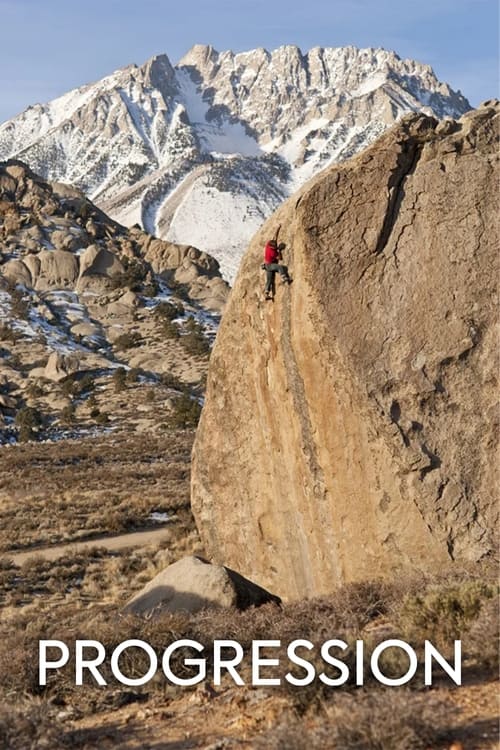
Behind every breakthrough in the progression of climbing, there's a true story of doubt and determination, perseverance in the face of failure. From boulders, to big walls, to competition podiums, the climbers at the top of the game share a commitment to do whatever it takes to achieve their vision.
A story of chopped fingers, fun, friendship and the First Ascent of Kunyang Chhish East (7,400m). Following the rules of true alpine style Hansjörg Auer, Matthias Auer and Simon Anthamatten embark on an adventure for the summit and for survival on Kunyang Chhish East.
No overview available.
Blind climber Erik Weihenmayer and his team's highly successful ascent of Mount Everest along with four other remarkable milestones on the mountain. Time magazine called this the most successful Everest expedition of all time.
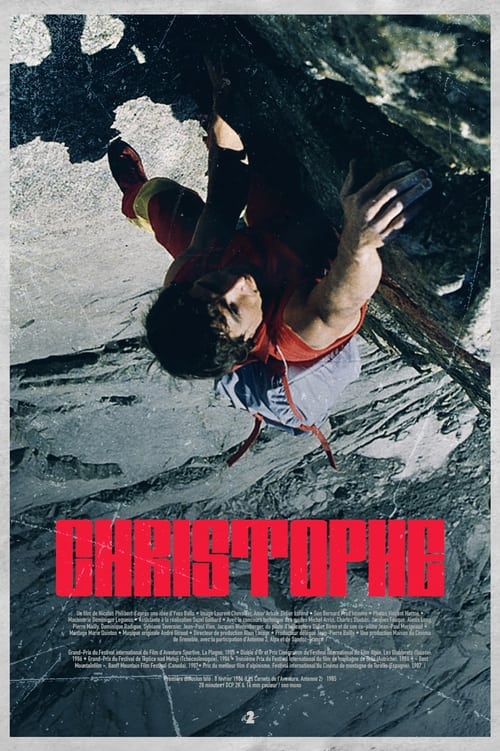
It is 1 p.m. on June 30, 1982, when Christophe Profit, 24, shows up at the foot of Les Drus with his pof bag, his climbing shoes and nothing else. He will try the west face of Les Drus in "solo", in the Mont Blanc massif by "Directe Américaine", 1100 meters of vertical and smooth rock. Christophe will achieve the feat of climbing the wall in free solo, without using a rope or any belaying technique. At 4:10 p.m., barely more than three hours after the start of his ascent, the new climbing star can embrace the Virgin of the Drus at the same time as the career of a high-level mountaineer. Three years later, on July 25, 1985, he climbed the north faces of the Matterhorn, the Eiger and the Jorasses in the same day. Awarded at many mountain film festivals, this great documentary is a magnificent testimony to one man's passion for climbing, the mountains and adventure.
Sven has a dream. Once in his life he wants to walk the Camino de Santiago - the Way of St. James. But that seems impossible, Sven has Usher syndrome, a disease which slowly, inexorably robs him of hearing and vision. Profoundly deaf and completely blind since 2010, he can only communicate using a special hearing aid in the spoken language.
The best films of the European Outdoor Film Tour 11/12.
Becoming a mountaineer and climbing Everest in exactly one year? That’s the dream of Inoxtag, a 21-year-old very rich YouTuber who doesn’t do any sports. By following him for a year, we will discover in this documentary all the changes in his life to achieve this dream.
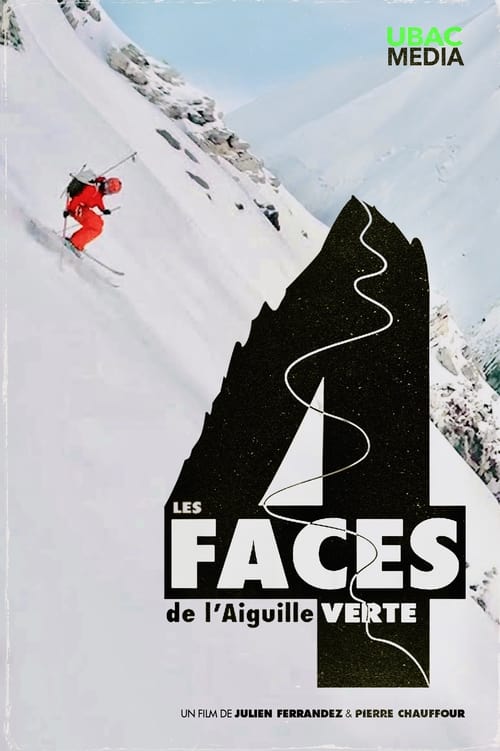
An adventure of extreme skiing in the Mont Blanc area
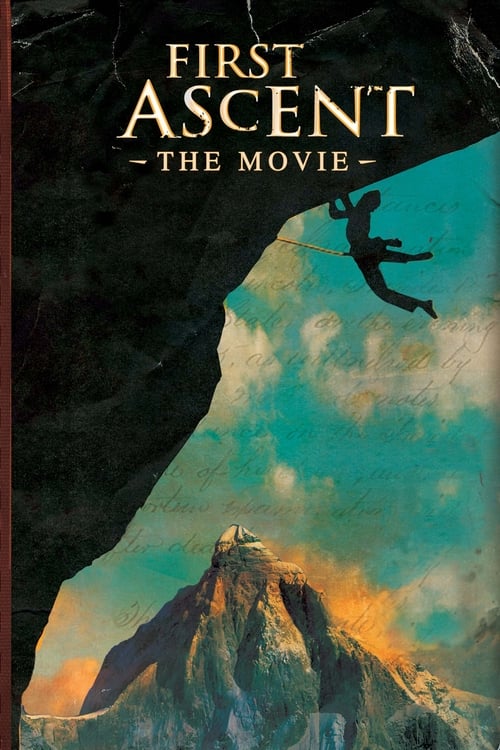
The classic film that inspired the National Geographic Series. Join a global quest with world-class climbers in pursuit of the ultimate goal: the first ascent. Featuring Dean Potter, Timmy O'Neill, Sonnie Trotter, and the amazing Didier Berthod on his quest for the first ascent of the Cobra Crack.
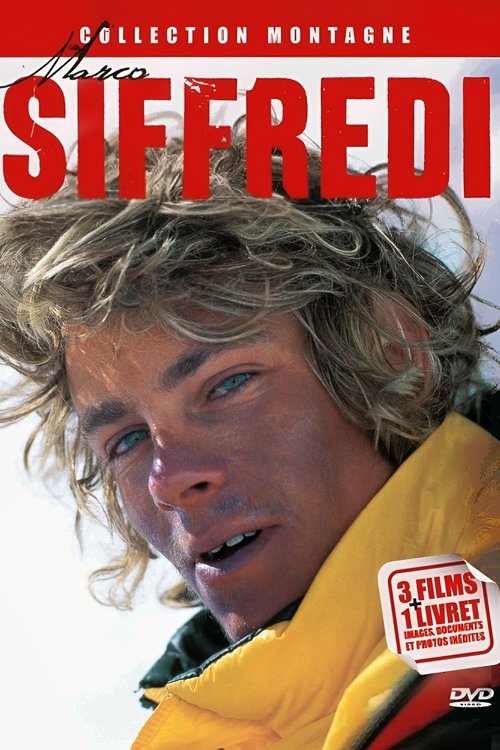
Avid for steep slopes, Marco Siffredi (1979-2002) obeys only one rule: not to fall. This gifted kid with hair sometimes blond peroxidized, green or blue clashed in his valley: Chamonix, mecca of mountaineering. His thing was to go up and down on a snowboard. . 90 minutes September 8, 2002, altitude 8848 meters, rare oxygen, his head already brushing the sky and his snowboard running, Marco Siffredi, 23, rushes from the summit of Everest in the Horbein corridor and its slopes at 50 degrees . A year earlier, he had already made the first descent of the mountain on a snowboard. But there remains another corridor… more direct. It's not a challenge, just a reason to be... However, that day, at the top of the roof of the world, his trace is lost...
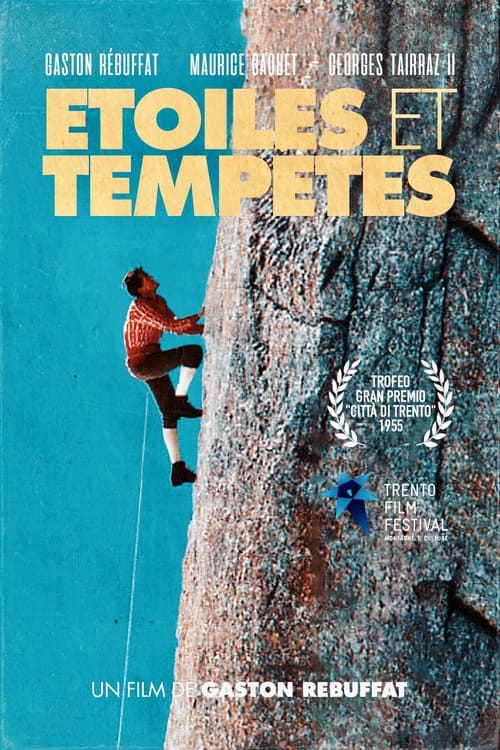
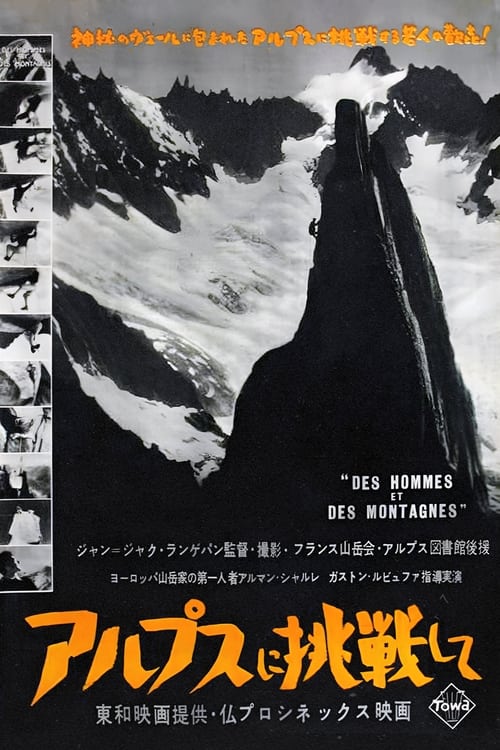
Gaston Rébuffat is part of the history of mountaineering. Marseillais prodigy, high mountain guide of the Chamonix guide company and famous for the ascent of the most famous north faces: some are 1st rehearsals, others 1st French or 1st as a guide. Filmed by Georges Tairraz, this masterpiece released in 1955 reveals the beauty of effort and the pleasure of sharing in the mountains. Apart from the feat, the mountains are not there to satisfy egocentric ambitions. A classic !
History, advice and demonstrations of mountaineering in the Mont Blanc massif by the renowned guides of the National School of Ski and Mountaineering from Chamonix. The film starts with an historical summary illustrating the aspirations and methods that lead man to conquer the mountains. Armand Charlet teaches mountaineering techniques and takes his students to the field for glacier or rock exercises. Gaston Rebuffat makes demonstrations of particularly dangerous climbs. At altitude, people move in solitude, cold and silence, like circus acrobats without spectators, but nothing stops the modern mountaineer.
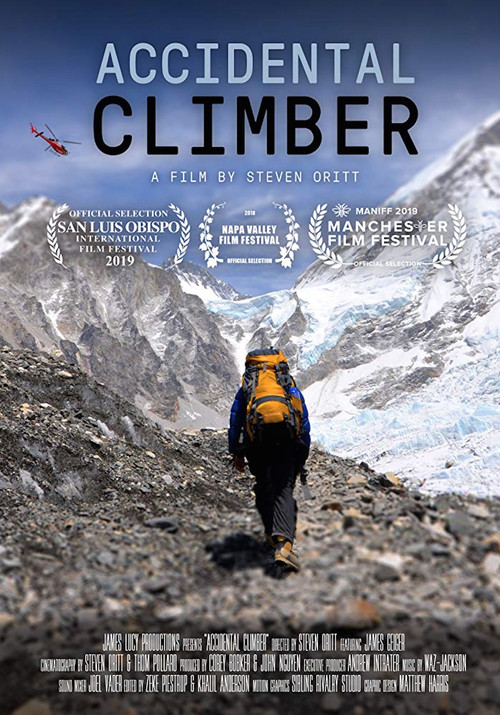
Jim Geiger, a retired forest ranger and amateur mountaineer, attempts to become the oldest American and first great grandfather to summit Mt. Everest, aged 68. His transformation from a weekend hiker to attempting one of the most extreme and physically demanding feats known to man is driven by a desire to prove that age is just a number. What ensued, however, forever changed Jim's life.
Documentary about eating disorders among professional climbers
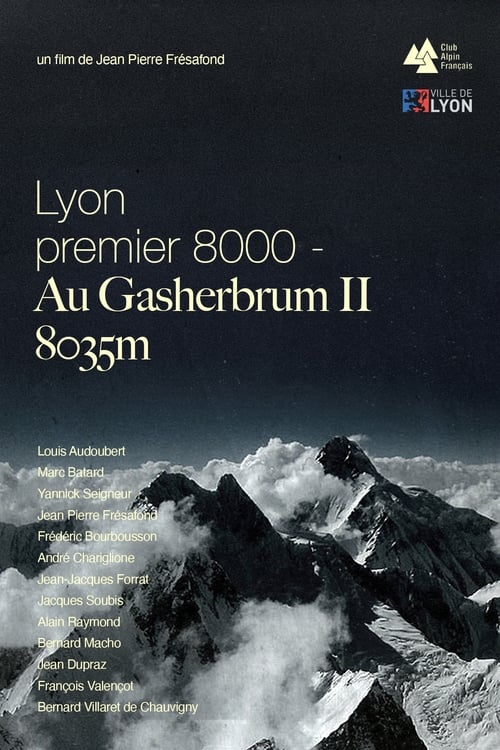
The "Lyon Premier 8000-Gasherbrum II 8035m" expedition, organized and led by Jean-Pierre Frésafond in 1975, was sponsored by the Lyon section of the Club Alpin Français and by Louis Pradel, Mayor of Lyon. The film traces the departure from Lyon of Berliet heavy trucks loaded with equipment, daily life in Pakistan, preparation for the expedition and the approach march with the porters, daily life at the base camp and in the camps. altitude of the members of the expedition: L. Audoubert, Marc Batard, F. Bourbousson, A. Chariglione, J. Dupraz, J.J. Forrat, H. and JP. Frésafond, B. Macho, Doctor A. Raymond, Y. Seigneur, J. Soubis, F. Valençot, B. Villaret de Chauvignypuis. Finally On June 18, 1975, Yannick Seigneur and Marc Batard reached the summit by opening a route along the south ridge. Bernard Villaret de Chauvigny, who was killed during the second assault, was the first victim of the Gasherbrum.
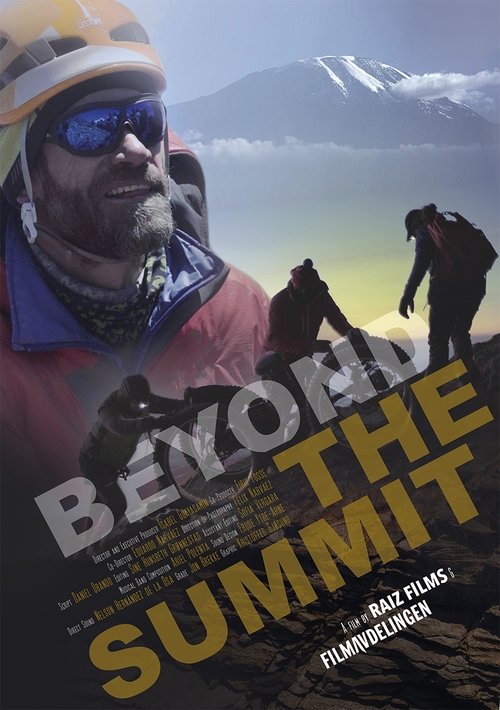
After an accident, Sebastian (Zuko), who was a professional mountaineering guide, lost the mobility of his legs. However, through a great feat he undertakes at the top of Mount Kilimanjaro, he proves that limits only exist in our minds.