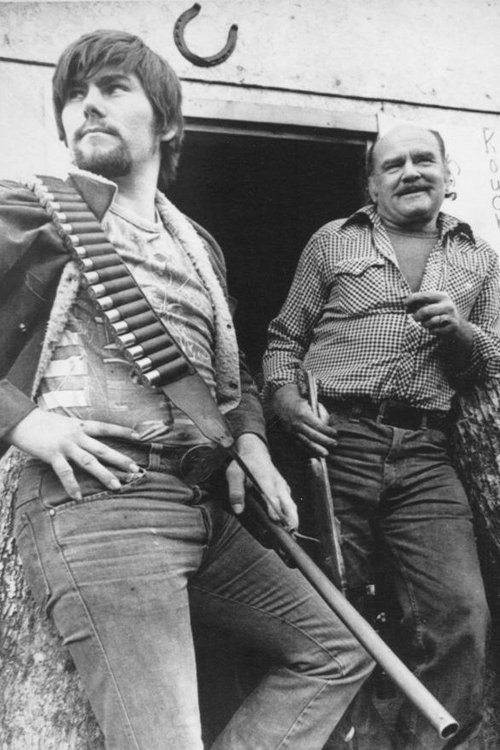
This docucumentary by John Brett conveys the impressions of cultural loss felt by an elderly Acadian man living on the south shore of Nova Scotia after his homestead has been deserted.
No Trailers found.
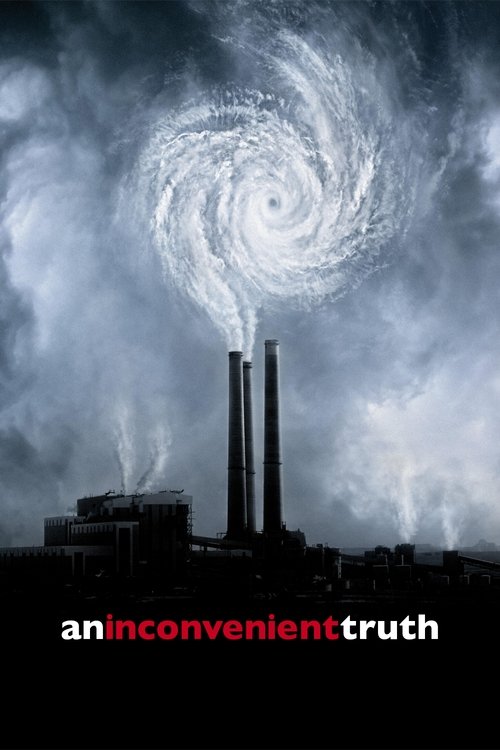
A documentary on Al Gore's campaign to make the issue of global warming a recognized problem worldwide.
The cod fishery off the east coast of Newfoundland was a way of life, the backbone of society -- until it collapsed. A review of the history leading up to the crisis and the subsequent call for a moratorium of the northwest Atlantic cod fishery.
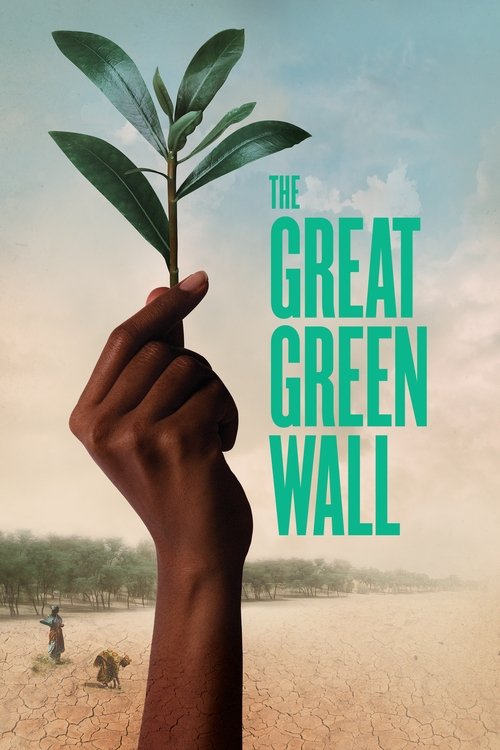
An epic journey along Africa's Great Green Wall — an ambitious vision to grow a wall of trees stretching across the entire continent to fight against increasing drought, desertification and climate change.
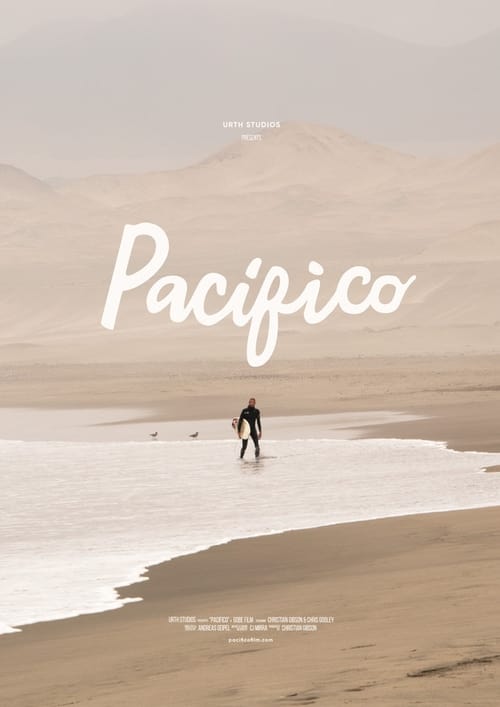
What starts as a desire to experience nature more intimately develops into a relatable conversation on alternative pathways through life. Two friends go on a two-year road trip through Latin America. Presenting an insight into long term travel and how engaging in new cultures and environments can help widen our perspective and deepen our understanding of the world we live in. Pacifico forms a discussion around the pros and cons of living in the moment; Showing how slowing down and observing the world mindfully can aid in gaining perspective and broaden an understanding of what is important in life.
In 1969, the federal government expropriated two hundred and fifteen families in eight towns of New Brunswick in order to build a national park. Not only did these families lose their homes and their memories, they also lost their livelihoods.
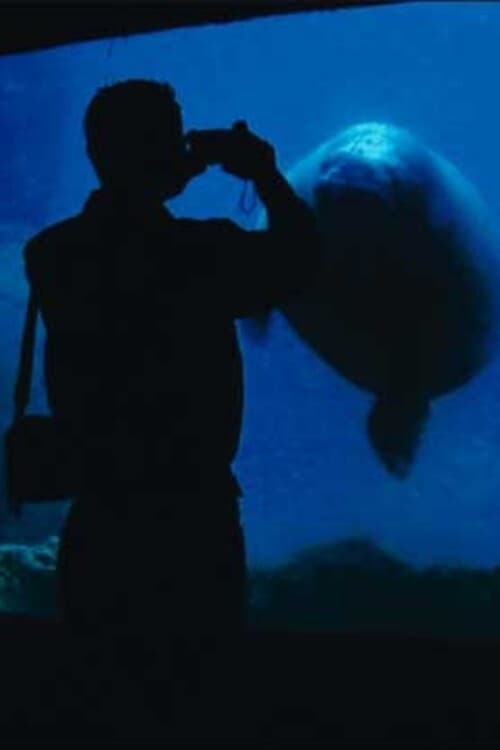
Filmed primarily in Alaska, The Aquarium contrasts the openness of the primeval Arctic landscape with the entrapment of captured sea mammals in aquariums. It speaks of the progressive destruction of these animals’ habitat, seeing beyond the alluring spectacle.
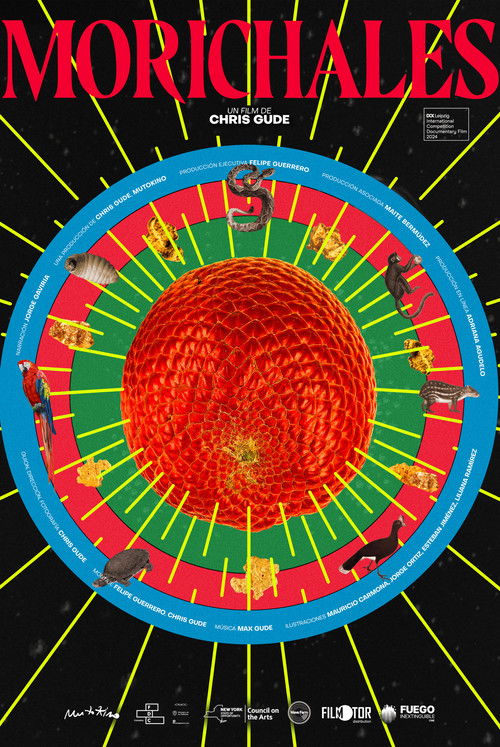
In Venezuelan Guayana, large gold reserves lie beneath “moriche” palms, attracting multitudes of miners to the territory. A fictional explorer narrates a journey from far-flung mines in the jungle to the banks of the Orinoco River, trying to understand the uncertain fortune of humanity immersed in the anxious quest for treasure. His reflections combine illustrations and photochemical paintings to draw a map of the extraction and commercialization of gold, object and symbol through which he questions where value resides.
Most people were first exposed to Michael C. Ruppert through the 2009 documentary, Collapse, directed by Chris Smith. Apocalypse, Man is an intimate portrait of a man convinced of the imminent collapse of the world, but with answers to how the human spirit can survive the impending apocalypse.
A feature documentary about the journey of mankind to discover our true force and who we truly are. It is a quest through science and consciousness, individual and planetary, exploring our relationships with ourselves, the world around us and the universe as a whole.
An overview of the lobster fishing industry in Nova Scotia.
Five scientists and a hairdresser, tackling climate change, one stick at a time.
In the vastness of the Iranian desert, young artists strive for freedom, community, and the preservation of their cultural heritage in the ancient caravanserai of Deyr-e Gachin, while facing the harsh conditions of their surroundings.
A couple from North Preston, Nova Scotia plan an elaborate wedding with dozens of bridesmaids.
This documentary takes you on a reflective journey into the extended family of Nova Scotia’s Mi'kmaq community. Revisiting her own roots, Mi'kmaq filmmaker and mother Catherine Anne Martin explores how the community is recovering its First Nations values, particularly through the teachings of elders and a collective approach to children-rearing. Mi'kmaq Family is an inspiring resource for both Indigenous and non-Indigenous audiences who are looking for ways to strengthen and explore their own families and traditions. We hear the Mi'kmaq language spoken and a lullaby is sung by a Mi'kmaq grandmother featured in the film.
An oil boom has drawn thousands to America’s Northern Plains in search of work. Against the backdrop of a cruel North Dakota winter, the stories of three children and an immigrant mother intertwine among themes of innocence, home, and the American Dream.
An aspiring filmmaker tries to restore her fading childhood memories through someone else's travel stories. One evening in front of a bar, Hunay bumps into an acquaintance, Benjamin. He recently visited her native country, Azerbaijan, which she had to flee in 2011 with her family for political reasons. A precipitous departure which has resulted in her feeling further and further removed from her hometown, family, and childhood memories every day. What happens when we can no longer return to our hometown, when our childhood memories are fading away? Can memories stay alive through someone else’s?
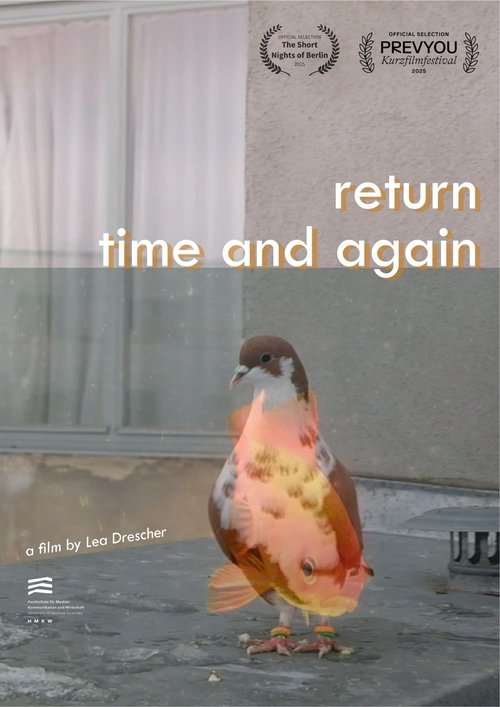
The Rezai's are keeping pigeons on their terrace in Berlin. After having their doubts in the beginning, the five sons are also taking care of the birds. The relationship to the animals reflects their feelings on family and loyalty, and also reminds them of their own childhood and the migration from Afghanistan.
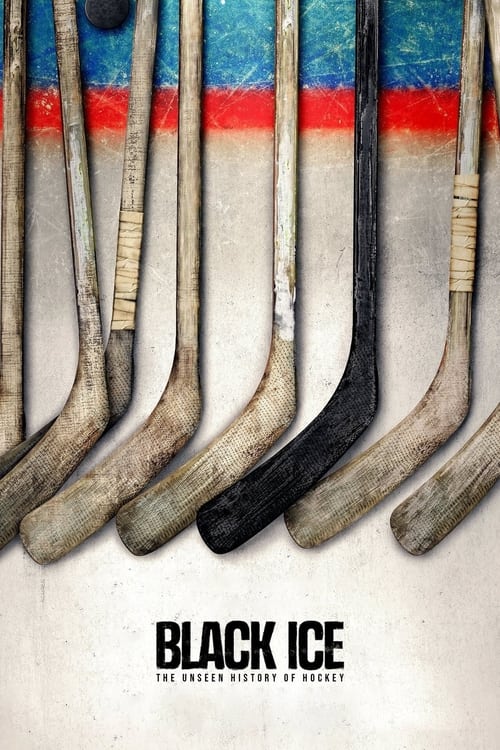
This incisive, urgent documentary examines the history of anti-Black racism in hockey, from the segregated leagues of the 19th century to today’s NHL, where Black athletes continue to struggle against bigotry.
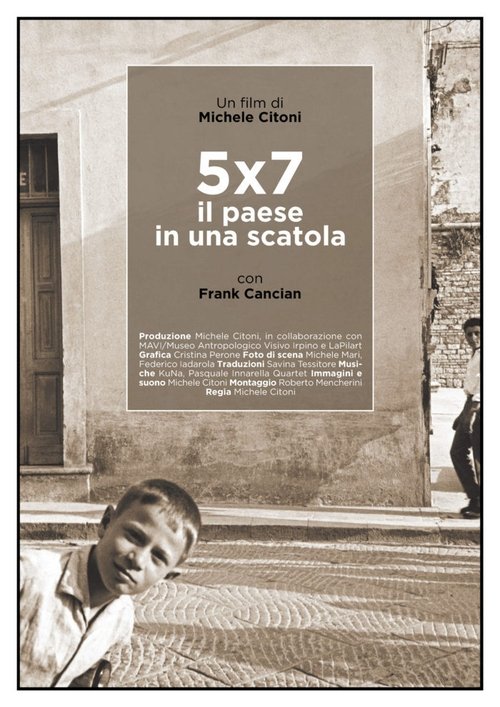
A beautiful collection of pictures ties Frank Cancian, an elderly photographer and retired professor of anthropology, American with origin from Veneto, to the people of Lacedonia, a small town in southern Italy. Thanks to the rediscovery of the photos taken in 1957 by the young Cancian in that rural village where he had arrived almost by chance, the story resumes there where it was interrupted 60 years earlier. And the thread of memories ties back to people and places, bringing with itself some essential reflections on how photography can become an ethnographic look at small communities.
No overview available.
No Cast found.