No Trailers found.
No Cast found.
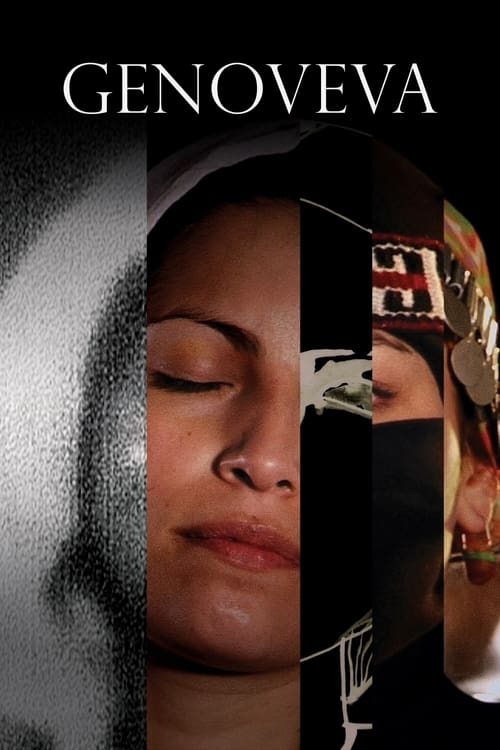
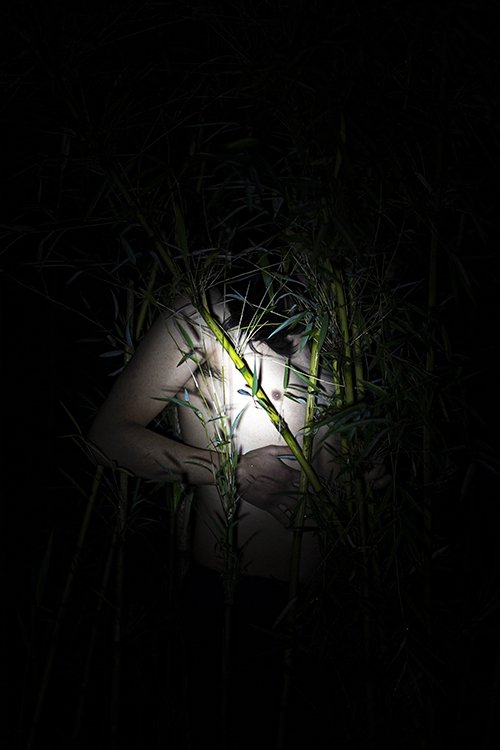
A photograph of an unknown Mapuche great-grandmother is the starting point of this documentary essay. Through the analysis of said picture, conversations with family members, a trip to southern Chile cities, and an actress who re-enacts the photo, we see the existing prejudice against indigenous people.
No overview available.
This documentary addresses the legacy of the military dictatorship in Chile by sharing the story of young fighters killed by the Pinochet regime as a backdrop to the history of the military dictatorship and the ongoing social conflict in that area. The larger story unfolds in three shorter parts, which explore the student movement, the history of the towns that became centers of armed resistance against the dictatorship, and the indigenous Mapuche conflict.
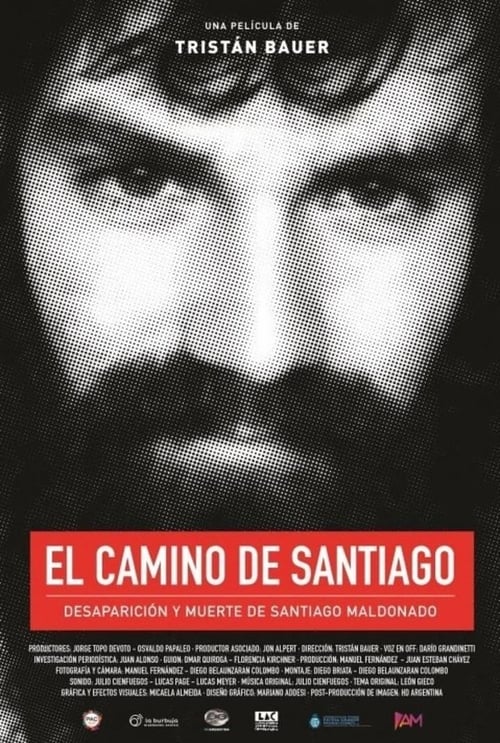
Santiago Maldonado disappeared in the midst of repression against a Mapuche community that claimed to Luciano Benetton for his land. His body was found 78 days later. The need for truth and justice continues
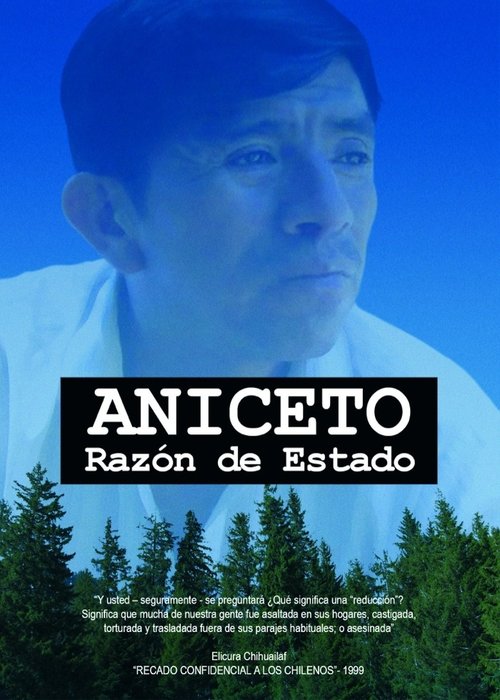
In the Araucanía Region, an area marked by historical relations between Mapuche and non-Mapuche people, the shooting of a police officer results in the death of a young Mapuche man. On the other hand, a community member who has been sentenced to 10 years in prison has been on a hunger strike for over one hundred days. In the background, we have the experience of Aniceto Norin, a Longko who has spent five years in prison for the crime of "Terrorist Threat," whose account allows us to understand his thoughts and the impact of assuming his role and his Mapuche identity.
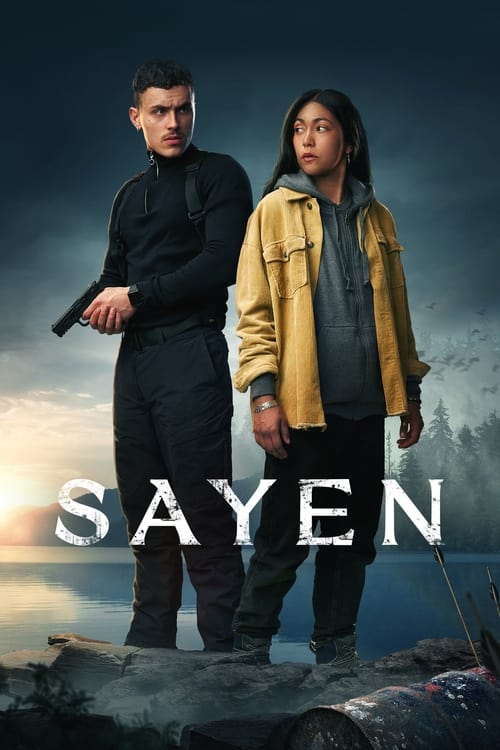
Sayen is hunting down the men who murdered her grandmother. Using her training and knowledge of nature, she is able to turn the tables on them, learning of a conspiracy from a corporation that threatens her people's ancestral lands.
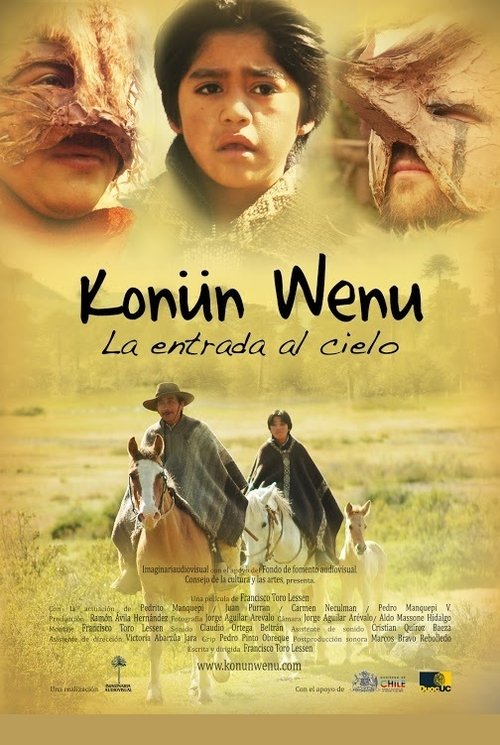
Akun, a Pehuenche boy lives with his grandparents in the middle of the mountains in Alto Biobío. One day Akun is lost in the forest and decides to go in search of Konün Wenu to see his mother who died a few years ago.
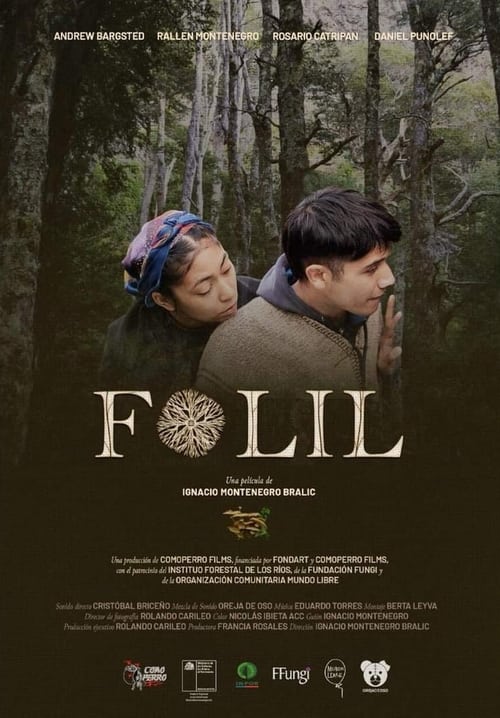
Folil, "root" in mapunzungun, is an invitation to question the relationship of humanity with nature; the way we think about it and inhabit it. Two young Mapuche people from the communities of Pukura and Traitraico, in southern Chile, face the difficulty of protecting the forest in order to continue collecting wild mushrooms, their food and medicine. The territory itself and the affected Mapuche communities are making the world aware of their problems, where the language of nature faces the paradoxes of development.
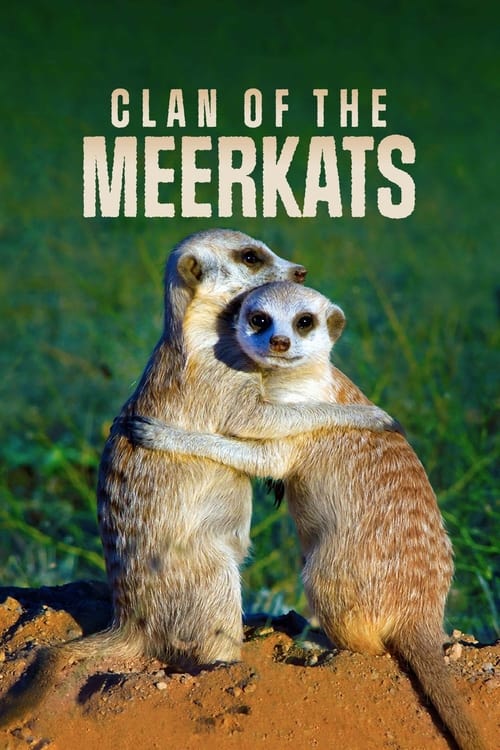
Tiny meerkats survive in the harsh desert elements and follow the matriarch that is pressured to produce heirs and ensure the family's survival for generations to come.
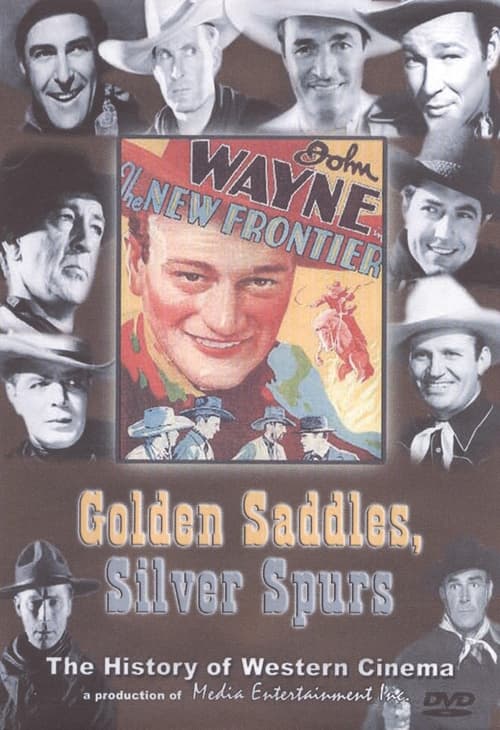
This documentary traces the history of the B-Western from it's silent movie origins to its demise in the early 1950s. The film contains a large number of scenes from early silents and seldom seen films, as well as old photographs of the stars and one-sheet advertisements for lost films.
The extraordinary rise of Olympic boxing champion, record-breaker, feminist and LGBT icon Nicola Adams. From the streets of Leeds to the world stage, Adams fought her way to the top and changed the game. This, is her story.
Four female climbers face the sporting challenge of a lifetime as they attempt to compete in the first ever Olympic climbing competition at the Tokyo 2020 Olympics. The Wall: Climb for Gold follows four elite climbers, Janja Garnbret, Shauna Coxsey, Brooke Raboutou, and Miho Nonaka, over an extraordinary two years. They battle through Olympic qualifying events to earn their place at Tokyo, then face a gruelling season of competition and training that sees everything put on hold when the Covid-19 pandemic forces the Games to be postponed. As the young women confront their own mental and physical demons en-route to Tokyo, the film reveals an astonishing and inspiring insight into what it takes to be an Olympian and ultimately what it means to be human.
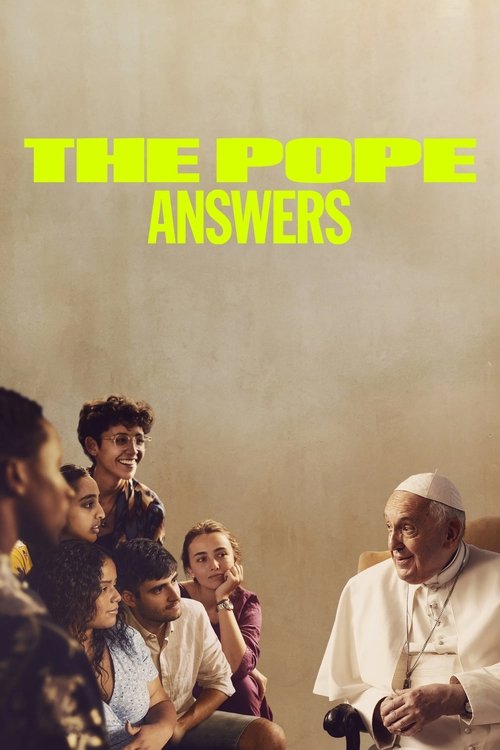
Ten young people from all over the world meet in Rome with Pope Francis with the aim of talking and conveying to him the main concerns of their generation. What awaits them is an unprecedented meeting, a face-to-face conversation, and a unique event.
Bad Boys featurette.
A journey in search of adventures, unexplored shores, empty waves in the mediterranean most secluded places living with almost zero carbon footprint. This is a surf-film about our small Ocean, the cradle of civilization and a reflection on living a simple lifestyle in symbiosis with nature. The boats together with the Onde Nostre Crew traveled the Mediterranean Sea following Ulisse's journey with surfers, sailors, free divers, musicians, artists.—Luca Merli
Jean-Luc Godard brings his firebrand political cinema to the UK, exploring the revolutionary signals in late '60s British society. Constructed as a montage of various disconnected political acts (in line with Godard's then appropriation of Soviet director Dziga Vertov's agitprop techniques), it combines a diverse range of footage, from students discussing The Beatles to the production line at the MG factory in Oxfordshire, burnished with onscreen political sloganeering.
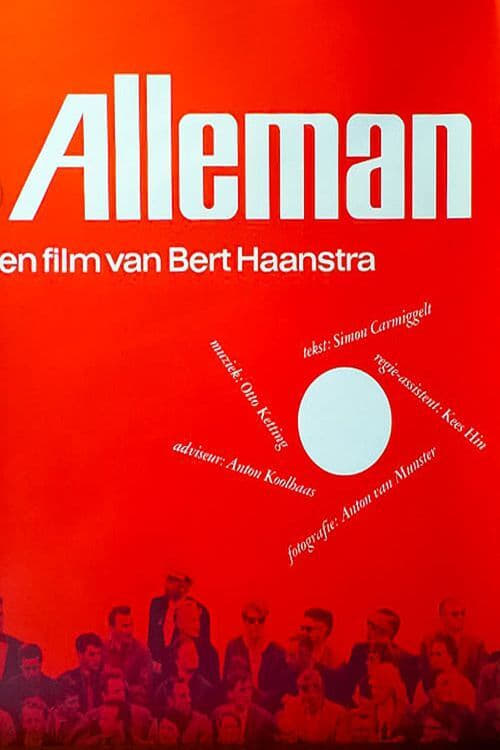
Bert Haanstra paints a portrait of The Netherlands and the Dutch, in his own unparalleled manner. Partly with the aid of a hidden camera he observes people in the most diverse situations. He shows the unusual in the usual and the usual in the unusual. The harsh years of the post war era of reconstruction have passed and for most people life is better than before.