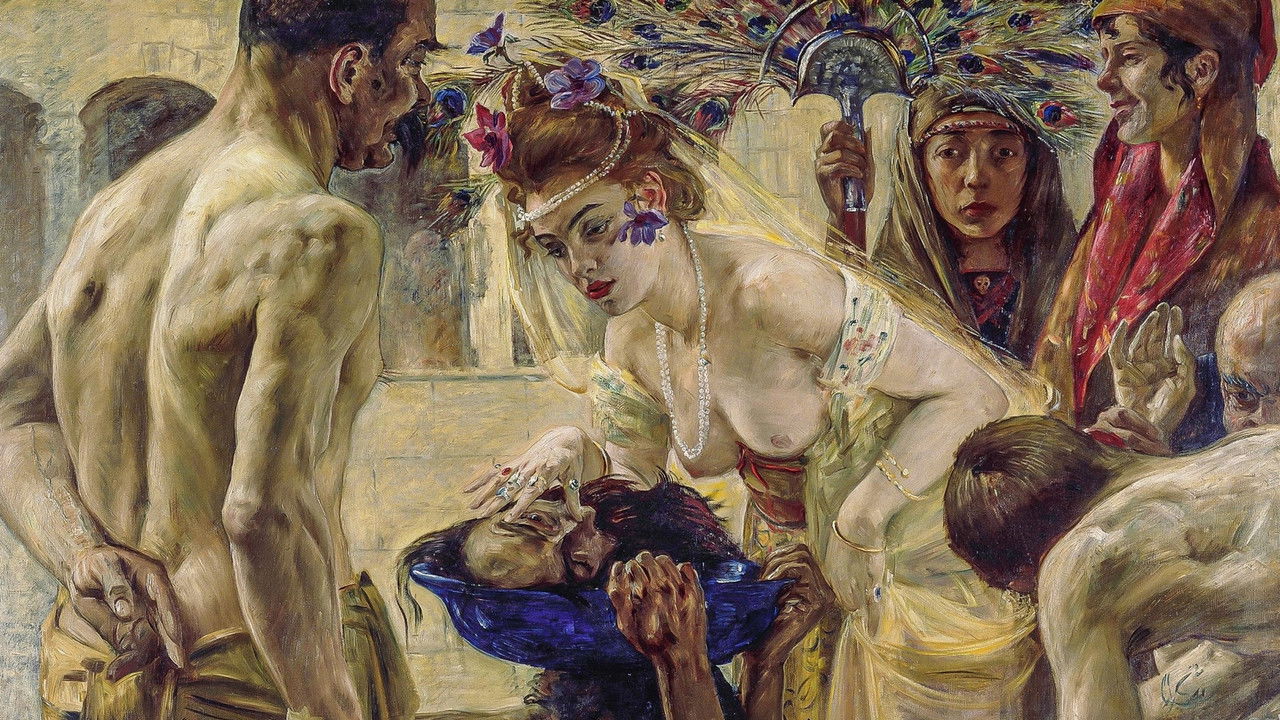
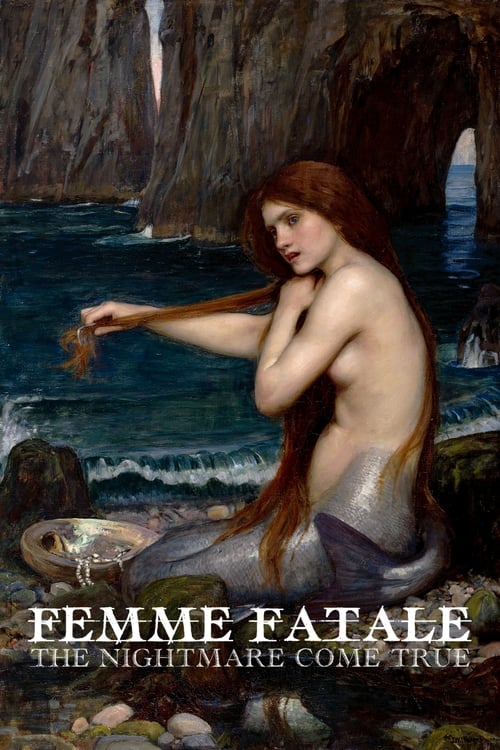
The passionate story of the femme fatale, seductive and dangerous, a myth and a fantasy, through her representation in art.
Self - Narrator (voice)
No Trailers found.
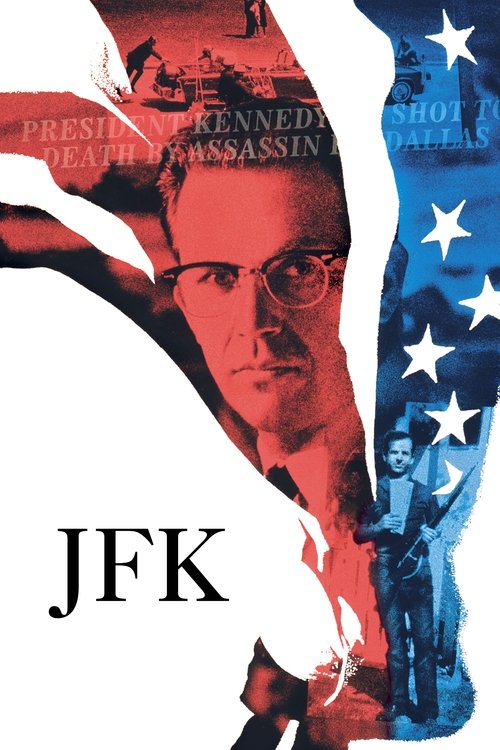
Follows the investigation into the assassination of President John F. Kennedy led by New Orleans district attorney Jim Garrison.
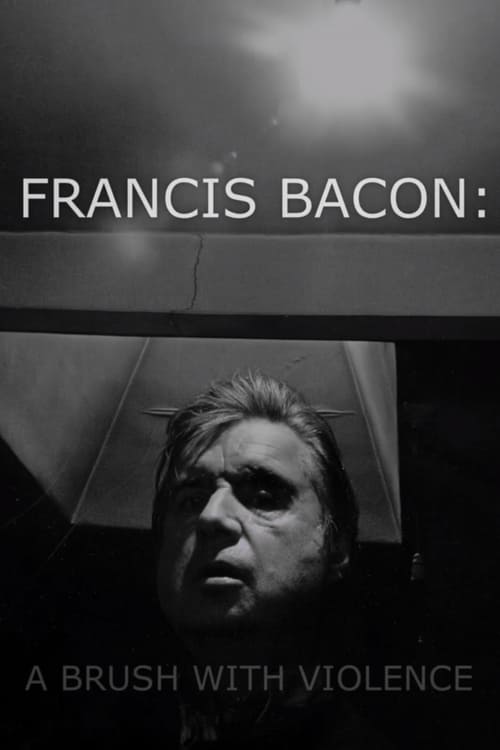
In this unique, compelling film, those who knew him speak freely, some for the first time, to reveal the many mysteries of Francis Bacon.
Set in 1960s Java, a young Javanese woman betrays her teacher, falls in love and must face dire consequences.
Brilliant composer and violinist George Enescu is at the peak of his career and wants to compose an opera. He falls in love with a princess, Maruca, who inspires and challenges him. She is fascinated by Enescu and his music, she loves him passionately, but has a duty towards her husband and her two children. Destiny will release her from the chains of marriage, but will that be enough for the genius and the princess to live happily ever after?
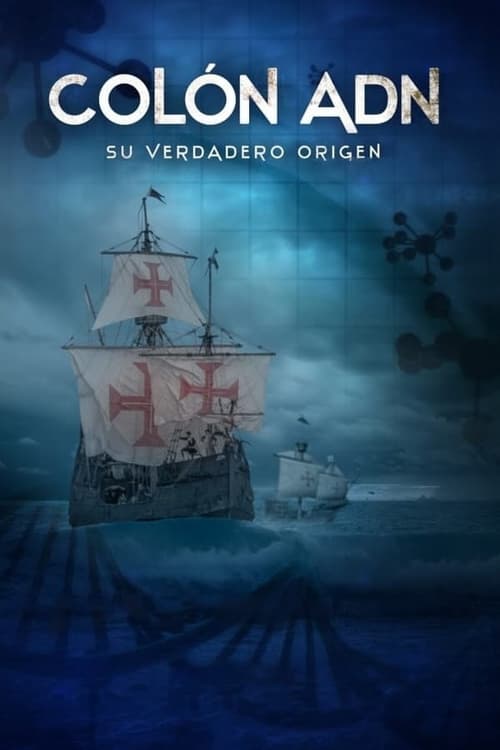
One of the most important and exciting historical research of all time, the study of the DNA of the navigator Christopher Columbus, finally answers two fundamental questions: where do his bones rest? What is his true origin?
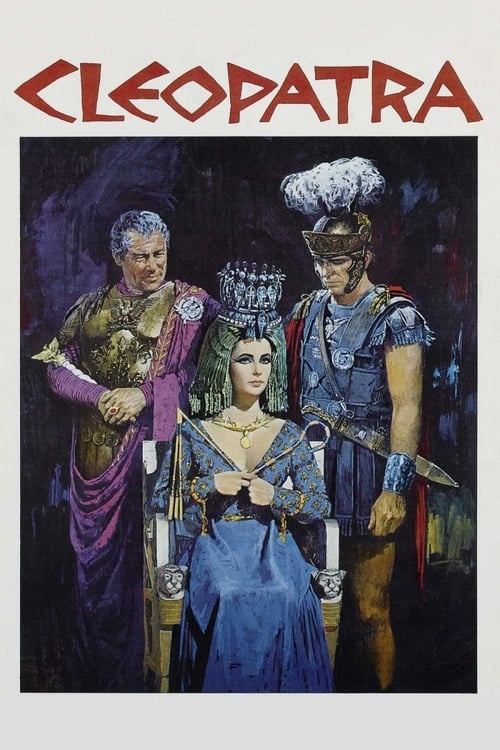
Determined to hold on to the throne, Cleopatra seduces the Roman emperor Julius Caesar. When Caesar is murdered, she redirects her attentions to his general, Marc Antony, who vows to take power—but Caesar’s successor has other plans.
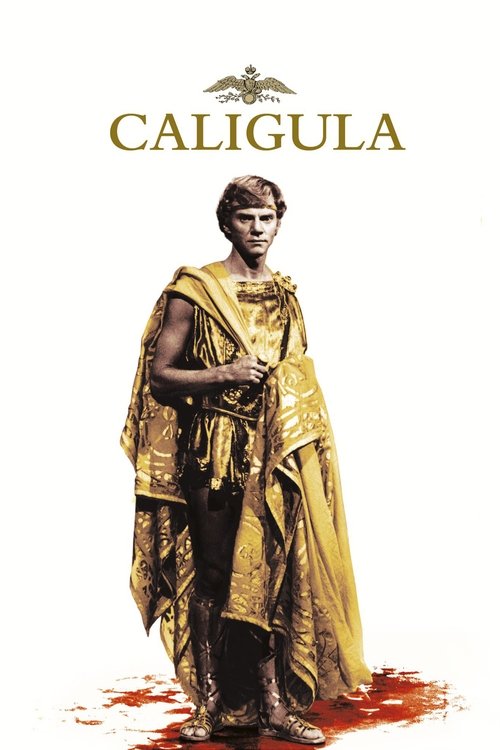
After the death of the paranoid emperor Tiberius, Caligula, his heir, seizes power and plunges the empire into a bloody spiral of madness and depravity.
No overview available.
Born in Berlin in 1896, Lotte Eisner became famous for her passionate involvement in the world of both German and French cinema. In 1936, together with Henri Langlois, she founded the Cinémathèque Française with the goal of saving from destruction films, costumes, sets, posters, and other treasures of the 7th Art. A Jew exiled in Paris, she became a pillar of the capital's cultural scene, where she promoted German cinema.
Switzerland in the 13th century: Shot in the middle of World War II, this classic film returns to the origins of Switzerland and turns about the problem of the small country against a big power: Resist or obey?
After a wonderful time in Hungary Sissi falls extremely ill and must retreat to a Mediterranean climate to rest. The young empress’ mother takes her from Austria to recover in Madeira.
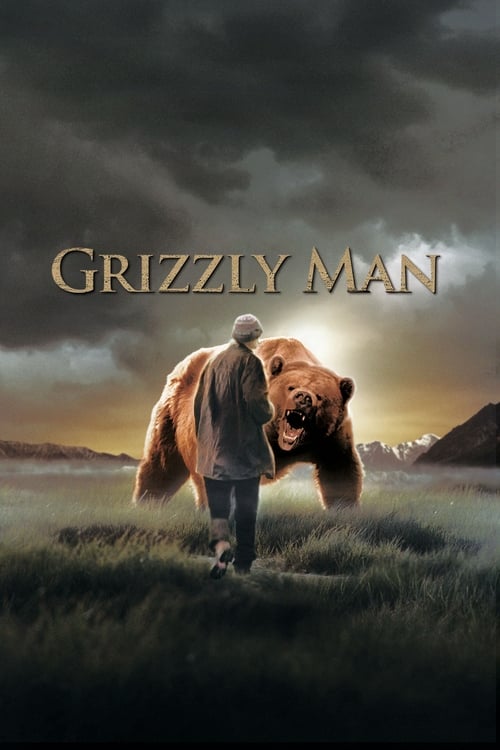
Follows the story of "Grizzly Man" Timothy Treadwell and what the thirteen summers in a National Park in Alaska were like in his attempt to protect the grizzly bears. The film is full of unique images and a look into the spirit of a man who sacrificed himself for nature.
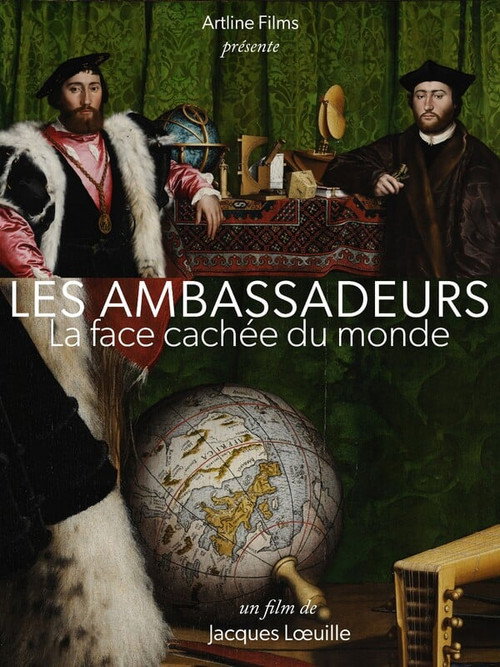
A Renaissance masterpiece painted by Hans Holbein the Younger, “The Ambassadors” is teeming with details and hidden messages. By deciphering the enigmas of the canvas, this documentary recounts a troubled era in which advances in knowledge were intertwined with brutal political and religious upheavals.
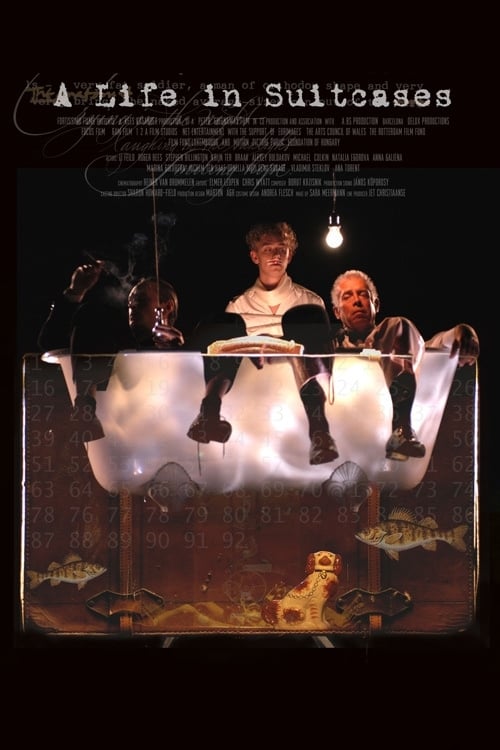
A comic study of 20th-century history, reconstructing the life of writer, creator and professional prisoner Tulse Luper. Born in 1911 Newport and last heard of in 1989, Luper’s life is pieced together from the evidence found in 92 suitcases scattered across the globe. A Life in Suitcases condenses the six-hour trilogy into a single two-hour feature, and in doing so, accentuates the project as a filmic essay in multiple narratives, listings, sidebars, footnotes, commentaries and anecdotes; a project for an Information Age ready to understand that there never is a phenomenon called History, there can only be Historians, gatekeepers to vested interests.
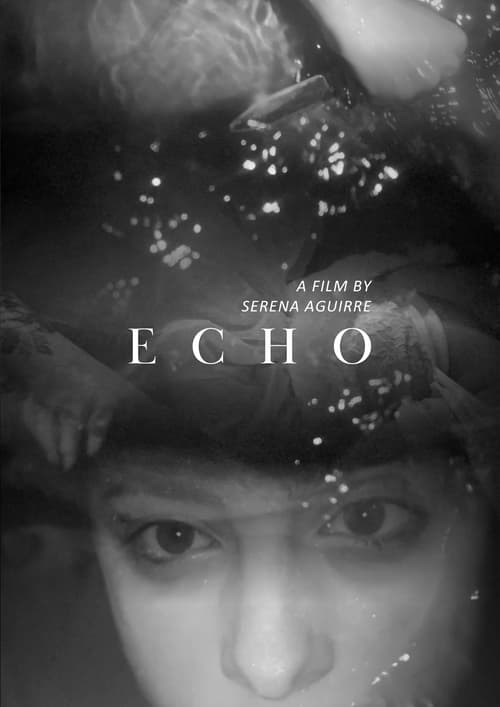
A reframing of the classic tale of Narcissus, the director draws on snippets of conversation with a trusted friend to muse on gender and identity. Just as shimmers are difficult to grasp as knowable entities, so does the concept of a gendered self feel unknowable except through reflection. Is it Narcissus that Echo truly longs for, or simply the Knowing he possesses when gazing upon himself?
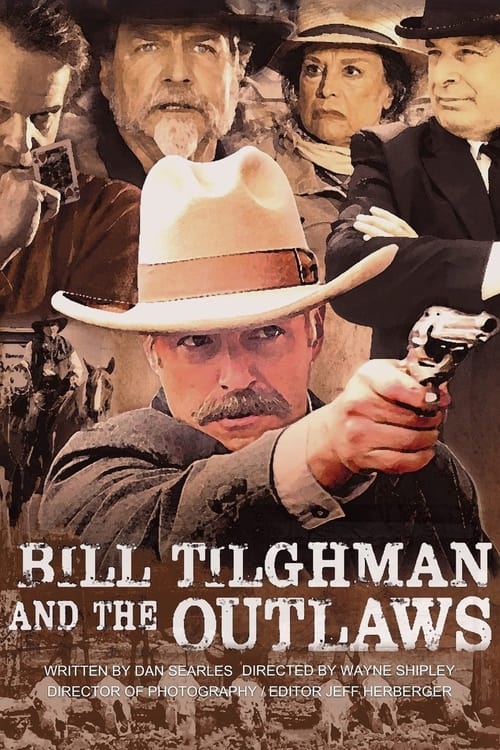
A movie company comes to Oklahoma to convince legendary lawmen Bill Tilghman to star in a bank robbery silent film featuring real outlaws. Tilghman reluctantly agrees, not realizing everyone's lives will never be the same.
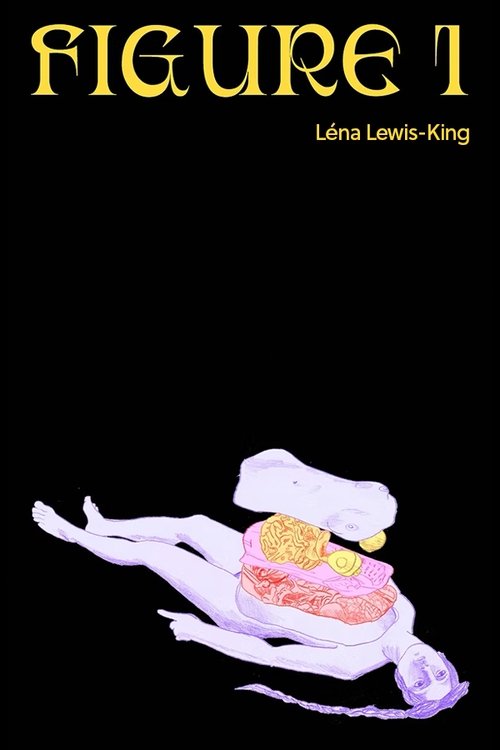
'Figure I' uses a feminist perspective to frame and deconstruct patriarchal techniques of control. This film asks: how was a patriarchal gaze construct-ed, and how has it come to effect biological processes? How have specific tools (like Dürer's Grid) come to shape our technological present and possible futures? Are modern Western scientif-ic/mathematic/technological/medical structures rooted in extractive patriarchal philosophies? 'Figure 1' is composed of re-drawn illustrations of allegorical art historical paintings and etchings, alongside archival footage, Obstetric photography, and rotoscoped animation.
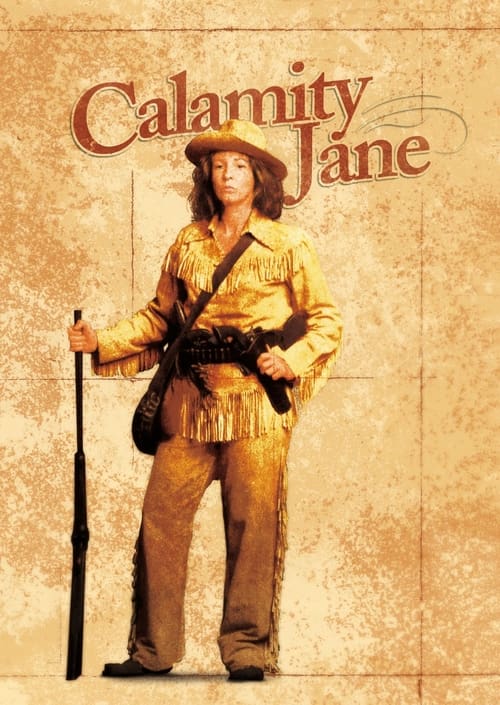
An exploration of the myths surrounding the colorful Western heroine and both the legendary Wild Bill Hickock, with whom she had an unorthodox courtship, and the flamboyant Buffalo Bill Cody, between the 1870s and the turn of the century.