No Cast found.
No Trailers found.
Daniel Mulholland, a master-builder uses LEGO to reshape his life after being diagnosed with PTSD. The film highlights the relationship between mental health and a simple act of kindness, showing how something as small as a plastic brick can be life-changing for oneself and others.
Ania and Bartek, two stuttering teenagers undergoing speech therapy, are learning to like themselves and stop being afraid.
Laurie, a terminally ill cancer patient and loving mother of four, is granted the right to legally use magic mushrooms to treat her end of life anxiety. She then embarks on a remarkable journey of personal transformation and healing while exploring lesser known possible cures for cancer, like cannabis oil.
No overview available.
‘Voices from the Shadows’ shows the brave and sometimes heartrending stories of five ME patients and their carers, along with input from Dr Nigel Speight, Prof Leonard Jason and Prof Malcolm Hooper. These were filmed and edited between 2009 and 2011, by the brother and mother of an ME patient in the UK. It shows the devastating consequences that occur when patients are disbelieved and the illness is misunderstood. Severe and lasting relapse occurs when patients are given inappropriate psychological or behavioural management: management that ignores the severe amplification of symptoms that can be caused by increased physical or mental activity or exposure to stimuli, and by further infections. A belief in behavioural and psychological causes, particularly when ME becomes very severe and chronic, following mismanagement, is still taught to medical students and healthcare professionals in the UK. As a consequence, situations similar to those shown in the film continue to occur.
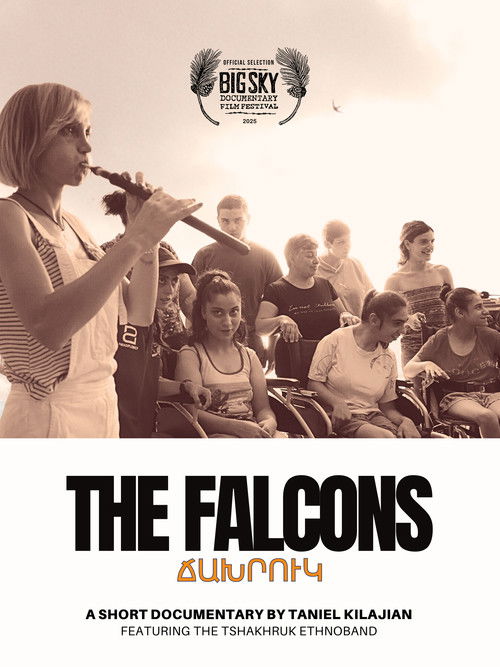
The Falcons is an intimate, observational documentary that delves into the world of the Tshakhruk Ethnoband, a remarkable musical ensemble in the Armenian highlands. Comprised of special-needs children that reside at the state orphanage, these young musicians find solace, strength, and self-expression through the transformative power of music.
Recounted mostly through animation to protect his identity, Amin looks back over his past as a child refugee from Afghanistan as he grapples with a secret he’s kept hidden for 20 years.
The Élan School was a for-profit, residential behavior modification program and therapeutic boarding school located deep within the woods of Maine. Delinquent teenagers who failed to comply with other treatment programs were referred to the school as a last resort. Treatment entailed harsh discipline, surveillance, degradation, and downright abuse. Years later, the patients who were institutionalized in this facility still carry the trauma they endured, with mixed opinions on the impact of their experience.
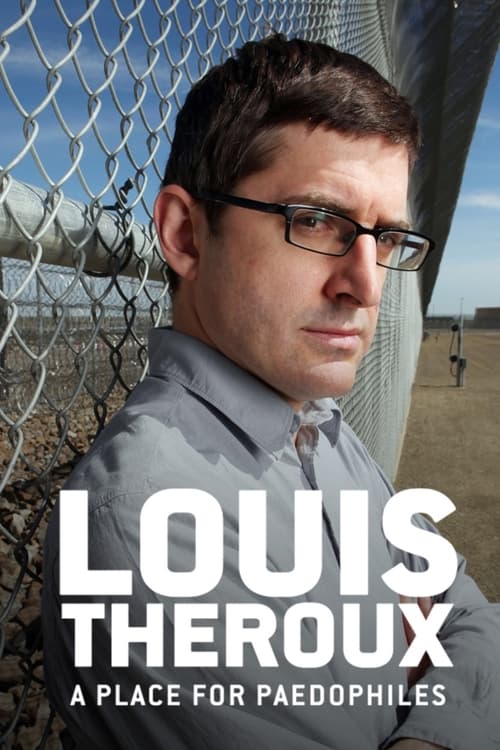
Louis has gained access to Coalinga Mental Hospital in California, which houses more than 500 of the most disturbed criminals in America, convicted paedophiles. Most have already served lengthy prison sentences, but have been deemed unsafe for release. Instead, they have been sent here for an indefinite time. Spending time with those undergoing treatment, Louis wrestles with whether he can ever allow himself to believe men whose whole history is defined by deception and deceit.
Keenly aware that his niece is going through a particularly rough time at home, Uncle James teaches Ava Dee how to use the Blackmagic Pocket Cinema Camera. As an experiment, he tells her to shoot whatever she wants and he'll edit it into a film.
In this sprawling 33-part epic, Dianetics therapy and the effects it has on human minds are explored.
It's a sensitive, moving doc chronicling the life of Tétrault's brother Philip , a Montreal poet, musician and diagnosed paranoid schizophrenic. A promising athlete as a child, Philip began experiencing mood swings in his early 20s. His extended family, including his daughter, share their conflicted feelings love, guilt, shame, anger with the camera. They want to make sure he's safe, but how much can they take?
A teen with autism unlocks a joyous world of self-expression as she shares her voice for the first time using a letter board.
This documentary follows two long-lost Ukrainian friends, Arsalan and Nastya, as they reconnect in Germany after russia's full-scale invasion against Ukraine. Arsalan, an actor now in Frankfurt after time in a refugee camp, and Nastya, journalist and producer who stayed in Kyiv, reflect on the divergent paths their lives have taken due to the war. Through their conversations and therapy sessions, the film explores themes of displacement, identity, and the emotional impact of war on youth.
The life of Princess Alice of Battenberg, Queen Victoria's great-granddaughter, Prince Andrew of Greece's wife and Queen Elizabeth II's mother-in-law. Born deaf, she faced tremendous hardships but found solace in faith and charity work.
On a sailboat in the middle of the Ocean, five teenagers in rehabilitation are travelling with adults of different ages and backgrounds. Off unknown coastlines, the boat’s space becomes a huis-clos in which everyone faces their own difficulties, the challenge of living together and also the manoeuvres of sailing, the Ocean and its turmoil—until the arrival on land.
When therapy and medication fail to provide any relief for severe depression, electroconvulsive therapy (ECT) – better known as electroshock therapy – can offer a solution. Mie and Tine have been struggling with depression for years. Their hopes are now pinned on ECT. How are they experiencing their treatment? Are they gradually regaining their old selves? And how are they coping with the fog that remains after an ECT session?
A documentary part of CBS reports. The plight of mental patients fit for discharge, but who find themselves thrust into communities unprepared to treat or accept them is the focus of this documentary narrated by Bill Moyers. The dilemma of being as scared of getting well as of remaining ill and facing a world with no home or job to go to is vividly portrayed as the film follows three patients as they move into rare transition programs.
1975 documentary about 11-year-old serial arsonist Michael 'Mini' Cooper, followed by Cooper and the film's director Franc Roddam in conversation with Alan Yentob in 2013.
Follows veterans and active-duty service members from varied backgrounds who come together to combat their traumas through the written word in a USO-sponsored arts workshop at Walter Reed National Military Hospital.