A mini docuseries following 12 Maldivian households as they embark on a year-long mission to reduce their use of single-use plastics.
Trailer
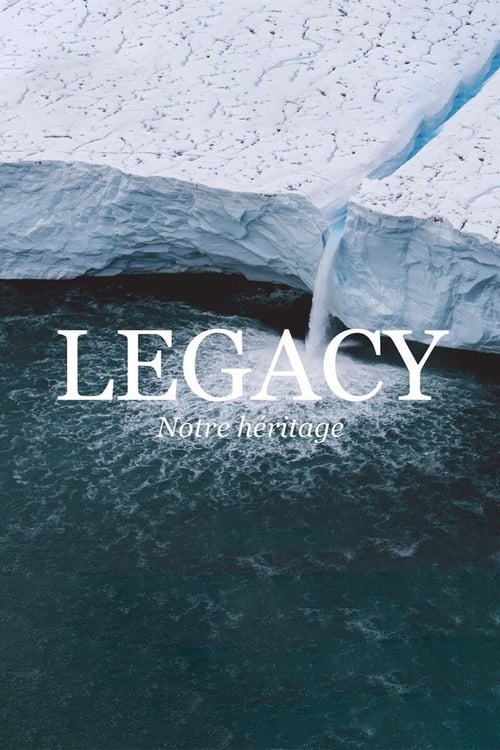
Ten years after the film Home (2009), Yann Arthus-Bertrand looks back, with Legacy, on his life and fifty years of commitment. It's his most personal film. The photographer and director tells the story of nature and man. He also reveals a suffering planet and the ecological damage caused by man. He finally invites us to reconcile with nature and proposes several solutions
Through a choral diversity of testimonies, the documentary explores the myth of the axolotl, transporting us from the story of a chinampero whose lifestyle reflects the environmental decay of Mexico City, to the efforts of a group of scientists racing against the consequences of the extinction of our symbols and ecological heritage.
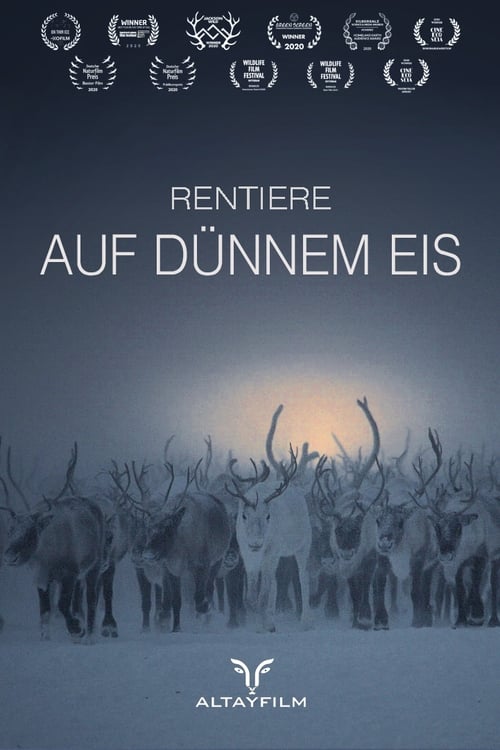
Climate change has reached the indigenous Nenets people in the north of Siberia. The nomads' herds of reindeer move on thin ice. The warming in the Russian Arctic is becoming dramatically visible. Huge craters open in the thawing permafrost and expose dangerous viruses and bacteria. Forest floors dry out and the taiga catches on fire. The pack ice off the coast is melting and depriving polar bears of their habitat so that they approach human settlements in their desperation. The changes in the nature of the Arctic Circle combine with the measurements of researchers and observations of the indigenous people to form a disturbing overall picture: In the Russian Arctic, Pandora's box has been opened! The film team had the chance to shoot in regions that were been restricted areas for decades. The documentary shows in impressive and depressing images already existing effects, phenomena and ominous interlinkages of global warming.
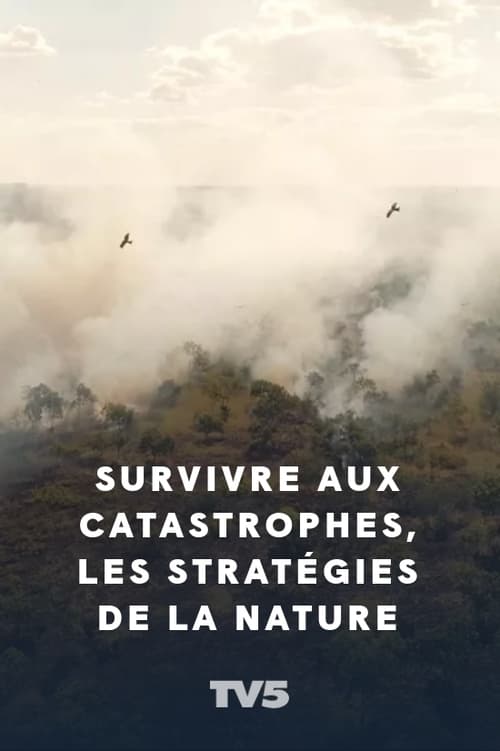
Hurricanes, earthquakes, volcanic eruptions: How do animals and plants actually react to such natural disasters? Some animals can sense impending natural disasters and protect themselves from them. Others are forced to stay and have to fight for their survival against the unpredictability of nature. For some time now, scientists have been studying how flora and fauna respond to the whims of planet Earth. The results suggest remarkable survival strategies. However, it remains uncertain whether animals and plants will be able to face the new, man-made challenges.
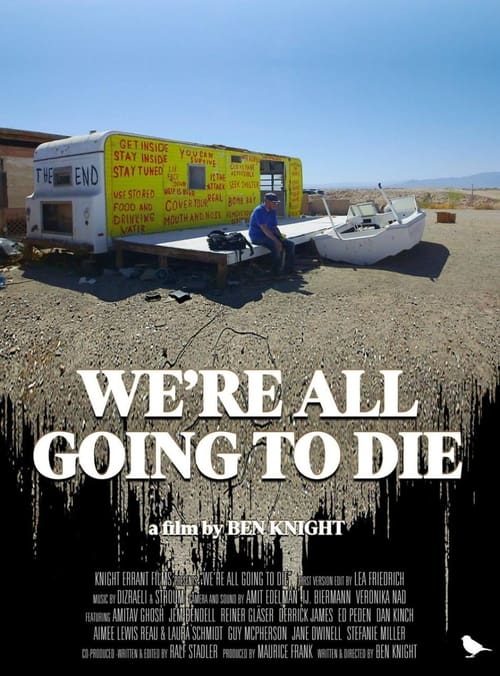
Ben is worried. Overwhelmed by the world's encroaching crises, he travels from Brandenburg to London to Kansas to the Yucatan peninsula and many places in between, to find out how to cope with social and ecological collapse.
Archival footage, photos, news clips, and interviews combine to offer a comprehensive overview of the clean-cut, buttoned-down singing youth group that attempted to change the world in the riotous 1960s. A true cultural phenomenon, Up with People performed in 47 languages to a global audience that included popes and kings; they even performed at the Super Bowl half-time show. As former members offer heartfelt reflections on their time with Up with People and what the group really mean to them personally, the viewer is presented with a thought-provoking glimpse into the cultural underbelly of politics, cults, and money.
A 45 minute account of the life of a humble logger, named Vince Shute, who made one decision that would ultimately affect the black bear and the attitudes that people have of this often misunderstood animal. This short film goes into great detail about the history of The American Bear Association and the formation of the Vince Shute Wildlife Sanctuary.
No overview available.
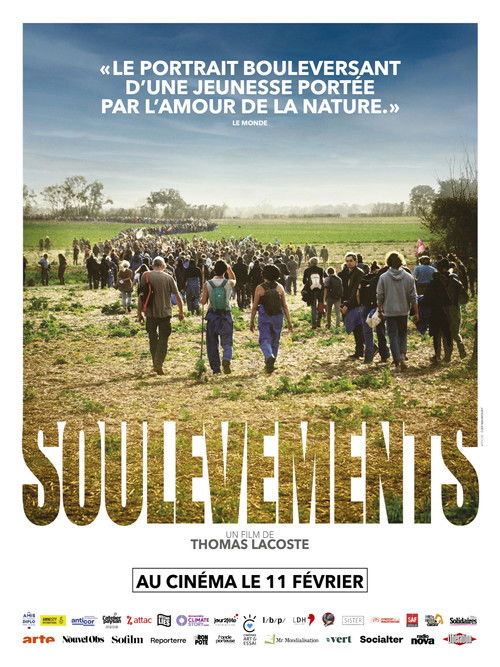
A choral portrait with 16 voices, 16 unique trajectories, reflective and intimate, of an intergenerational resistance movement led by young people who live and fight against land and water grabbing, industrial devastation, the rise of totalitarianism, and face political repression. A deep dive into the heart of Soulèvements de la Terre, revealing the unprecedented composition of the multiple forces deployed throughout the country, experimenting with other ways of life, forging new links with living things, thus overturning the established divisions between the political and the sensitive, opening us up to a field of possibilities.
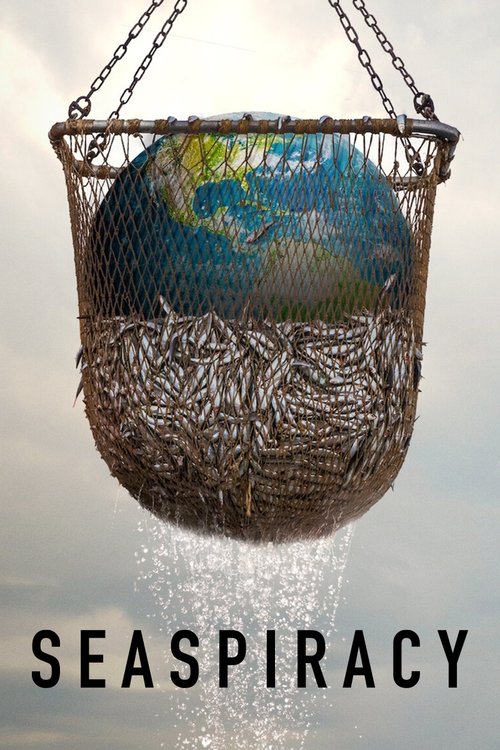
Passionate about ocean life, a filmmaker sets out to document the harm that humans do to marine species — and uncovers an alarming global conspiracy.
A sea-turtle grew tumors that are believed to be human induced. Experts talk about their relationship with turtles like her and call audiences to action.
An account of the last two centuries of the Anthropocene, the Age of Man. How human beings have progressed so much in such a short time through war and the selfish interests of a few, belligerent politicians and captains of industry, damaging the welfare of the majority of mankind, impoverishing the weakest, greedily devouring the limited resources of the Earth.
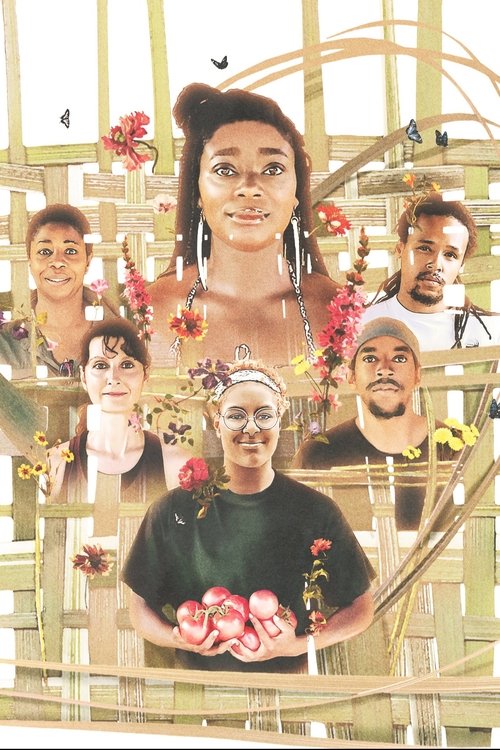
The film follows a group of growers who embrace the restorative power that the soil holds. Skin of the Earth is a story about the relationship between humans, the land, and belonging.
Takes us to locations all around the US and shows us the heavy toll that modern technology is having on humans and the earth. The visual tone poem contains neither dialogue nor a vocalized narration: its tone is set by the juxtaposition of images and the exceptional music by Philip Glass.
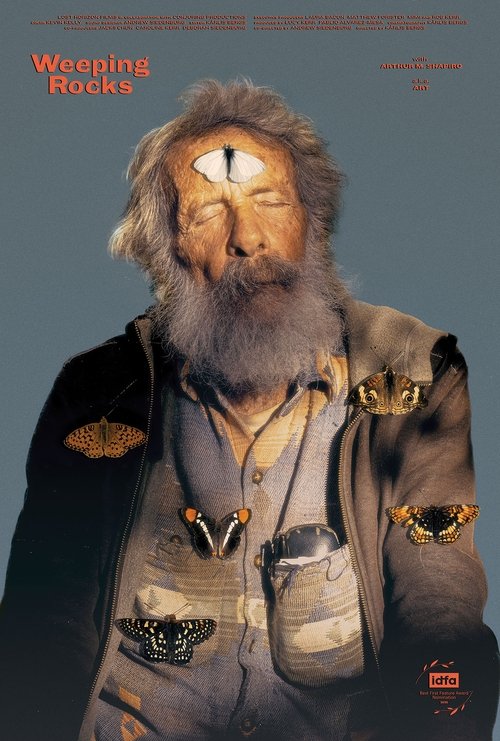
Weeping Rocks follows Art, an entomologist nearing the end of his life, who has spent over five decades walking the same ten trails, meticulously counting every butterfly he sees and witnessing the slow erosion of the world. His eccentric, patient research has uncovered patterns of decline that went unnoticed for years, revealing the deep environmental impact of detrimental human activities. As time reshapes the landscape and species fade, Art’s journey becomes a meditation on mortality, change, and the beauty of what remains.
A decade after An Inconvenient Truth brought climate change into the heart of popular culture comes the riveting and rousing follow-up that shows just how close we are to a real energy revolution. Vice President Al Gore continues his tireless fight, traveling around the world training an army of climate champions and influencing international climate policy. Cameras follow him behind the scenes—in moments private and public, funny and poignant—as he pursues the empowering notion that while the stakes have never been higher, the perils of climate change can be overcome with human ingenuity and passion.
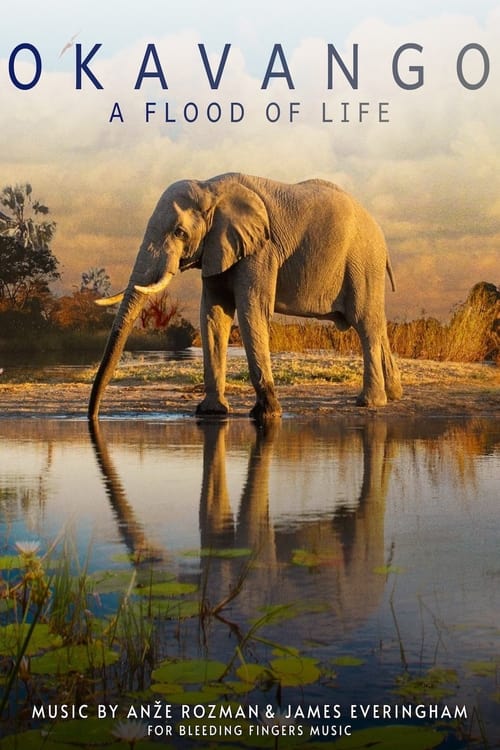
A great flood arrives in a desert kingdom, transforming a dustbowl into a vast and lush wetland, in one of the most diverse habitats on earth. This breath-taking blue-chip natural history film is a journey through Okavango’s seasons, seen through the eyes of an indigenous River Bushman. Our storyteller guides us through the course of Okavango’s flood and into a savage drought, interweaving intimate and spectacular wildlife stories. The arrival and disappearance of precious water determines the destiny of the millions of animals that call Okavango home. For many, the flood is a lifeline. For others, it brings the greatest challenges. Everyone lives or dies by this epic event. It is the heartbeat of the Kalahari.
On September 30th, 2019; people rallied together to fight the system for climate change. This is the story of that rally, and the inevitable impact global warming will have on our planet.
Narrator