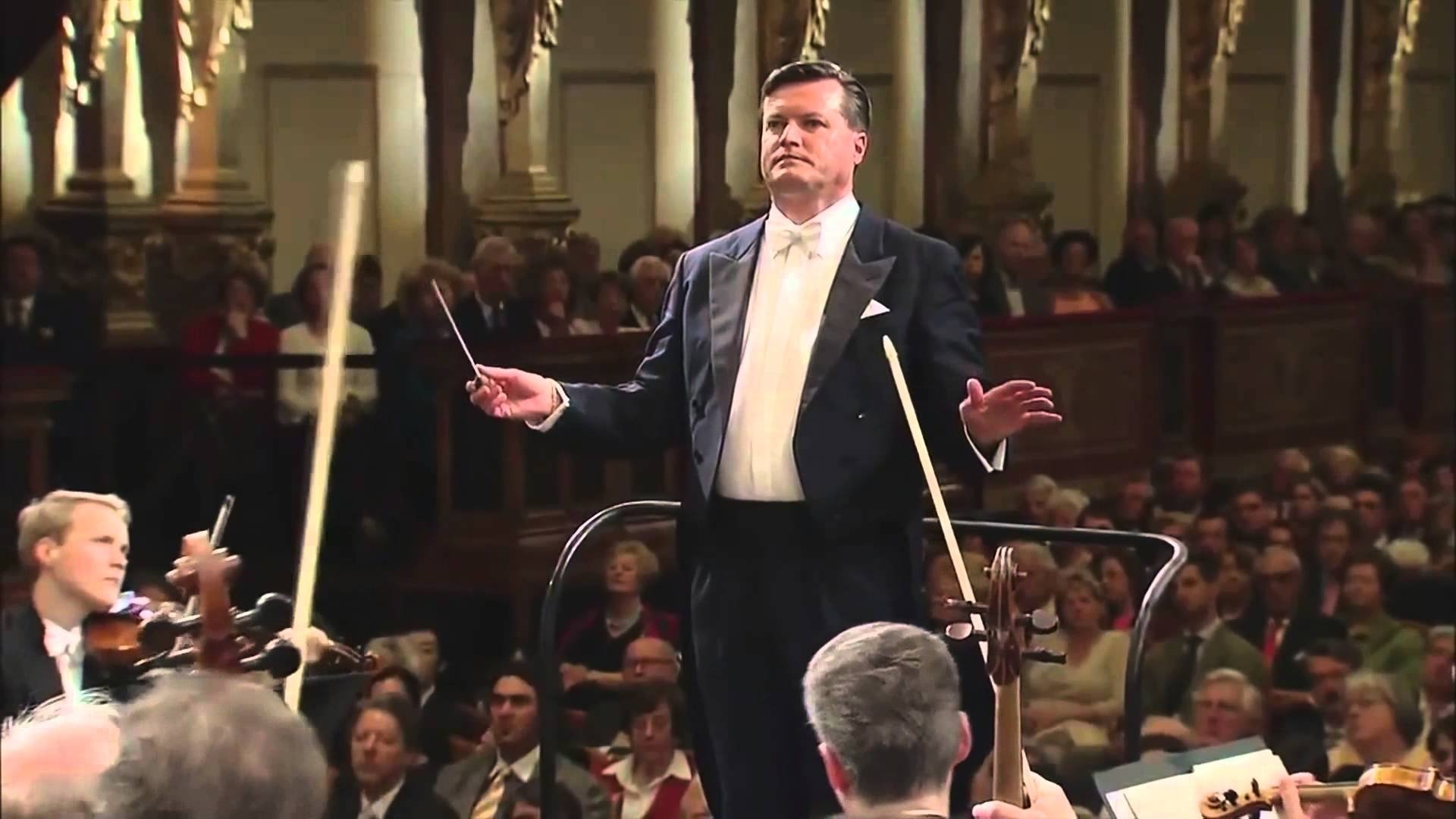
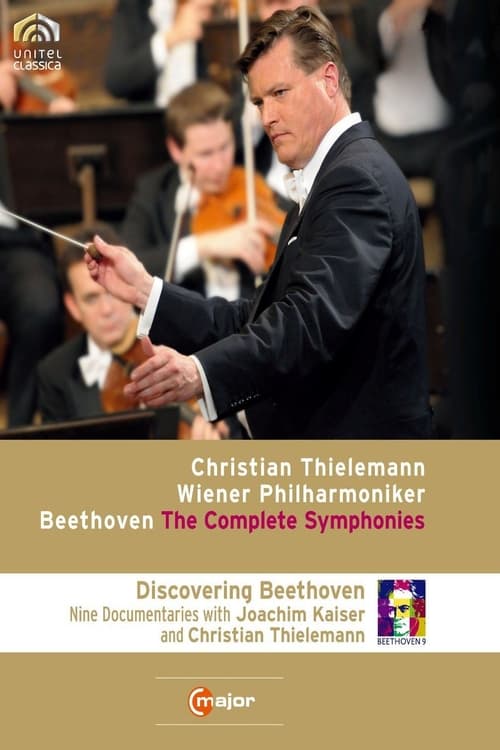
Christian Thielemann and the Vienna Philharmonic Orchestra performing Beethoven Symphonies 1-9
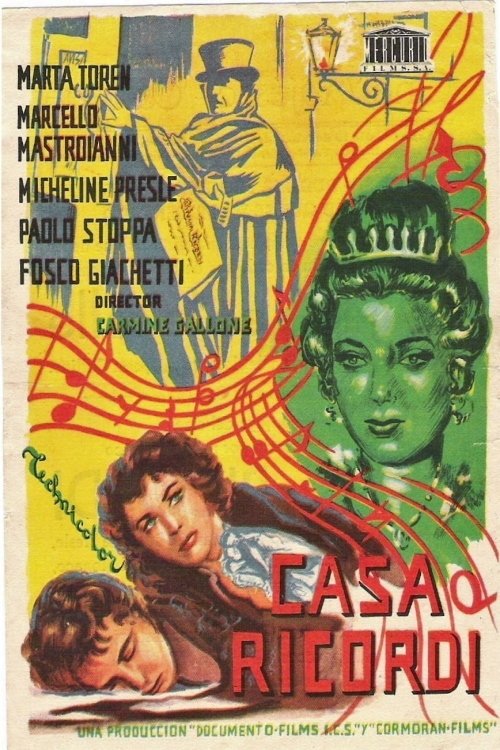
The film covers a hundred years in the lives of the Ricordi family, the Milan publishing house of the title, and the various composers and other historic personalities, whose careers intersected with the growth of the Ricordi house. It beautifully draws the parallel between the great music of the composers, the historic and social upheavals of their times, as well as the "smaller stories" of the successive generations of Ricordi.
Letters, Riddles and Writs is a one act opera for television by Michael Nyman broadcast in 1991.
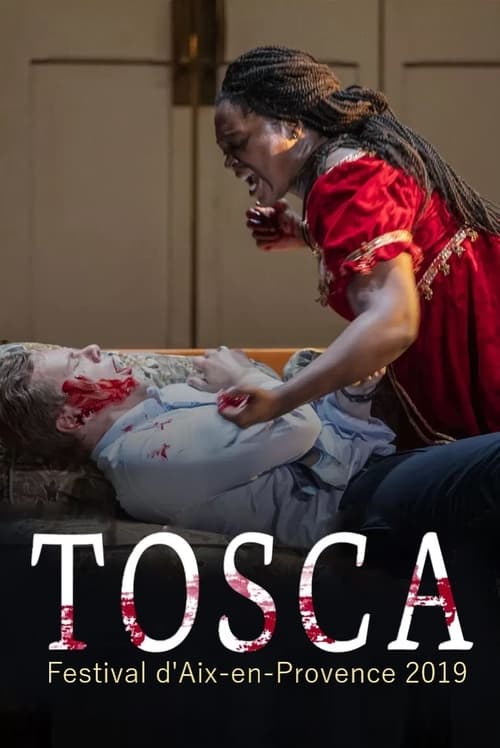
As part of the 2019 Aix-en-Provence Opera Festival, filmmaker Christophe Honoré delivers an innovative staging of Giacomo Puccini's famous drama. His cleverly staged "opera within the opera" is a melancholy homage to the fascinating figure of the diva, who thrives on art and love and upsets the laws of time and death.
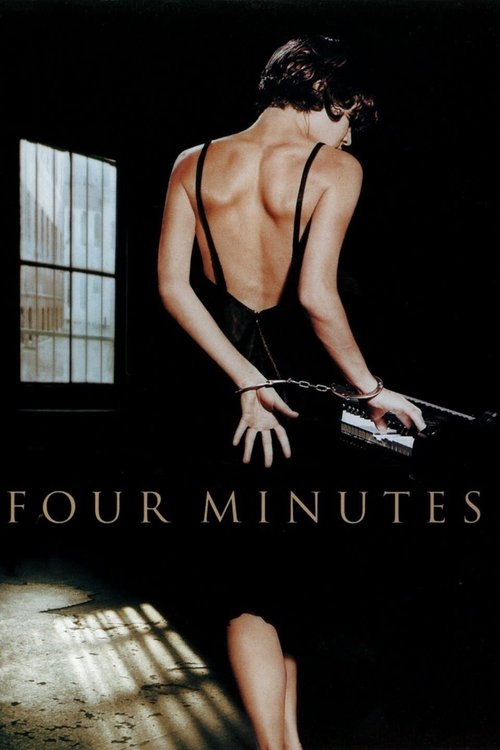
Jenny is young. Her life is over. She killed someone. And she would do it again. When an 80-year-old piano teacher discovers the girl’s secret, her brutality and her dreams, she decides to transform her pupil into the musical wunderkind she once was.
Giuseppe Verdi based his famous opera on the novel “The Lady of the Camellias” by Alexandre Dumas. Robert Wilson’s production of Violetta Valéry’s tragic fate is his first work at the State Theater of Linz, Austria, one of the most modern operatic stages in Europe by architect Terry Pawson. After the run in Linz, the production was transferred to the Opera House in Perm, Russia, where the production was conducted by Teodor Currentzis. In 2017, the work received a “Golden Mask”, the most prestigious Russian theater award, in three categories (Teodor Currentzis, Best Conductor; Nadezhda Pavlova, Best Female Singer; Robert Wilson, Best Lighting Design).
The 1987 Glyndebourne production of Ravel's L'enfant et les sortilèges, designed by Maurice Sendak and directed by Frank Corsaro.
The second part of Sound! Euphonium: The Final Movie.
Utterly astounding, iridescent sand animation from Aleksandra Korejwo based around Bizet's Carmen.
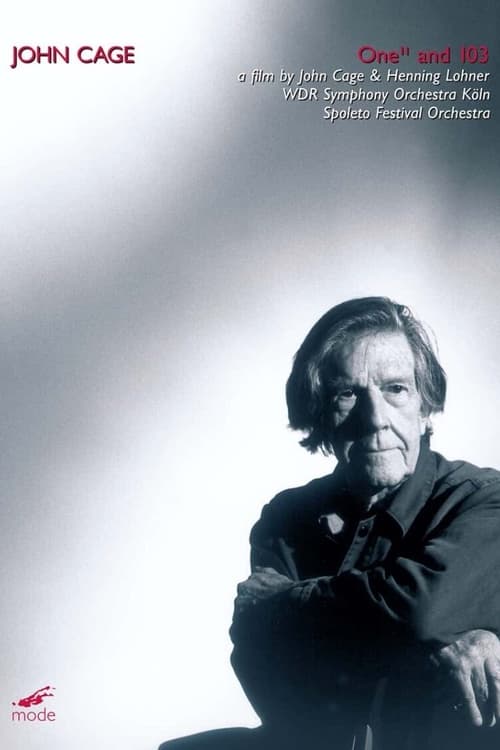
Avant-garde composer John Cage is famous for his experimental pieces and "chance music" but temporarily branched into video in 1992 with this art film about meaningless activity. The work is composed of two segments that are supposed to be played simultaneously: "One 11" contains the artistic statement, and "103" is a 17-part orchestral piece. Also included is a revealing documentary about Cage and director Henning Lohner.
Set against the backdrop of a 1960s jungle seaport in tropical Australia and the rich concert halls of wintry Vienna, talented eighteen year old pianist Paul Crabbe moves to an exotic outpost of far Northern Australia. There, he is forced to study under the only piano teacher his father can find – the eccentric, enigmatic Herr Keller, a Viennese refugee with a shadowed past. Living above a dilapidated hotel in the dripping heat of this seaport, Keller is known to the locals as 'Maestro', a broken, elegant drunkard. But who is he? Does he come from a lineage of great European pianists, or is he a fraud?
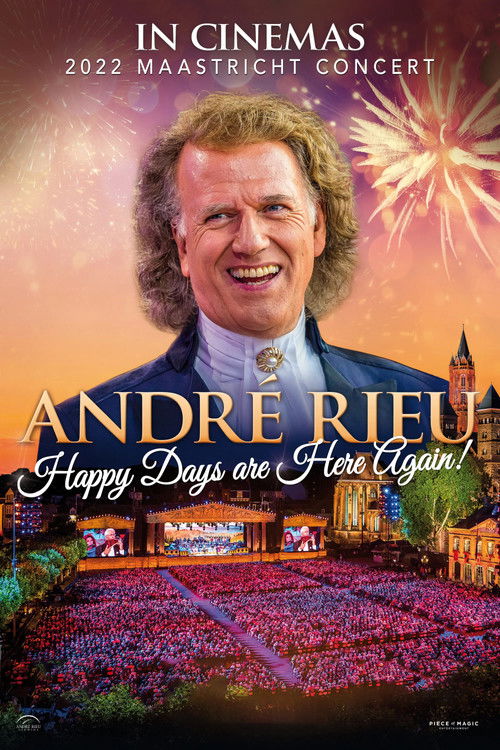
The wait is over! After two long years, Maestro André Rieu is performing again in his hometown of Maastricht! We are proud to present André's brand new summer concert - Happy Days are Here Again!
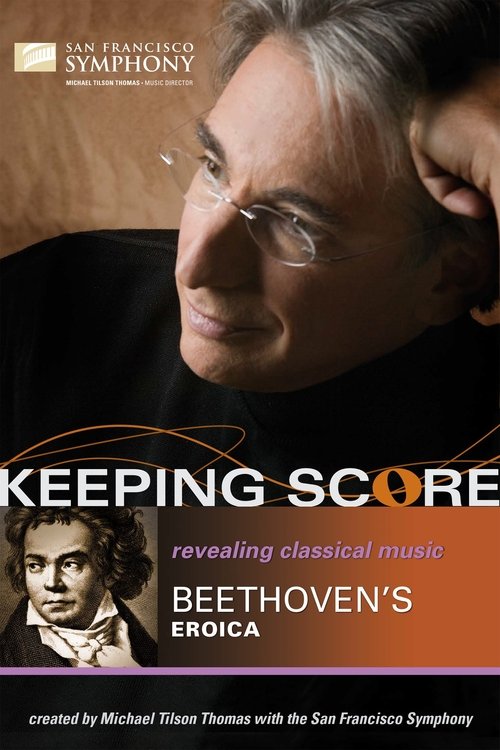
Beethoven spent three years composing the Eroica, an intimate journal of his emotional crises and his dramatic emergence as an original master. Michael Tilson Thomas and the musicians of the San Francisco Symphony help you make sense of this voyage into life as it really is.
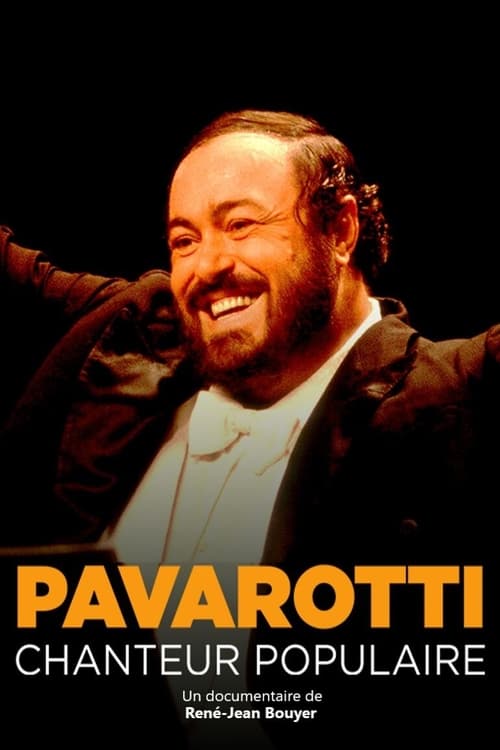
Although he is unanimously credited with having democratised opera, making it accessible to the greatest number, focus is rarely put on the strategy he devised and implemented in order to carry out his actions, nor what his actions reveal of the man and artist, and of the resulting metamorphosis from opera singer to pop artist. Through this angle, this film sets out to pay tribute to the man who summed up his credo, obsession and life’s work, in the following way: “They led the public to believe that classical music belonged to a restricted elite. I was the way to prove to the world that was wrong.
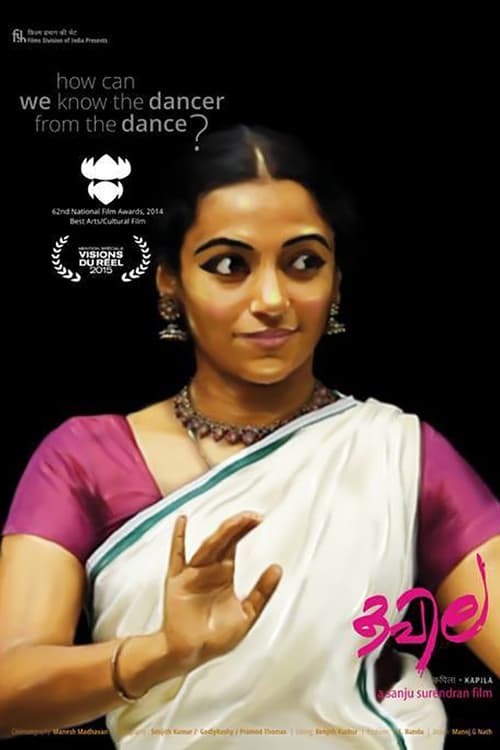
The film sketches the creative life of the protagonist Kapila. The film’s narrative is structured as one day in the life of a Koodiyattam performer.
No overview available.
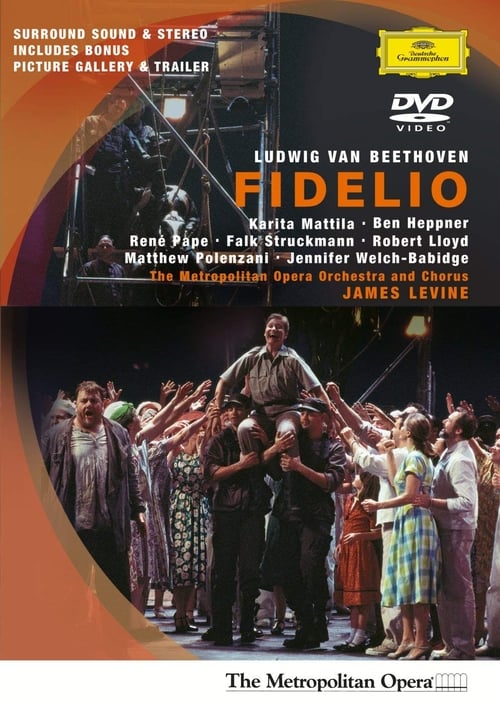
Two years prior to the opening scene, the nobleman Florestan has exposed or attempted to expose certain crimes of the nobleman Pizarro. In revenge, Pizarro has secretly imprisoned Florestan in the prison over which Pizarro is governor. The jailer of the prison, Rocco, has a daughter, Marzelline, and a servant (or assistant), Jaquino. Florestan’s wife, Leonore, came to Rocco’s door dressed as a boy seeking employment, and Rocco hired her. On orders, Rocco has been giving Florestan diminishing rations until he is nearly starved to death. Place: A Spanish state prison, a few miles from Seville; Time: Late 18th century.
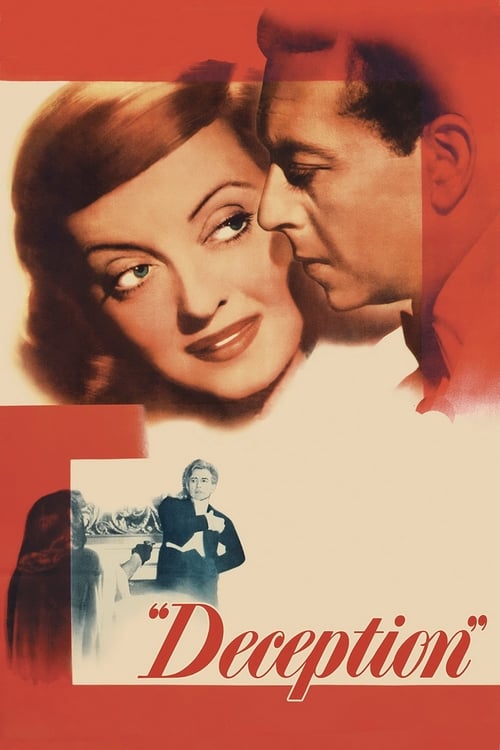
After marrying her long lost love, a pianist finds the relationship threatened by a wealthy composer who is besotted with her.
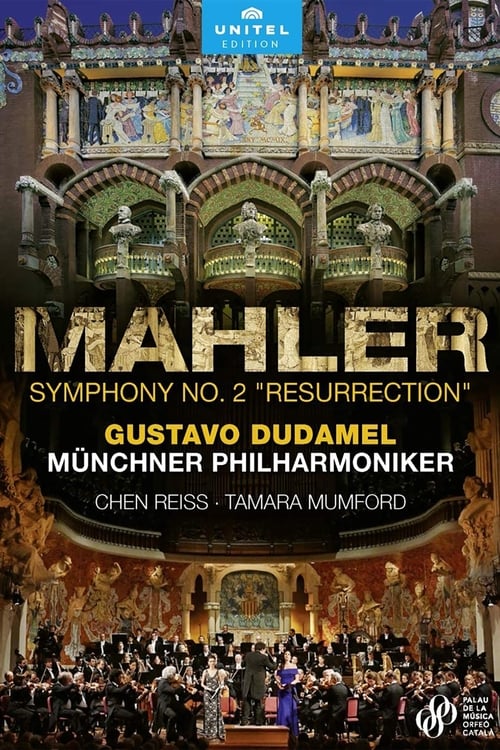
Barcelona’s Palau de la Música Catalana, one of the world’s most beautiful concert halls, hosted Gustavo Dudamel and the Münchner Philharmoniker with an unforgettable performance of Mahler’s Symphony No. 2 “The Resurrection”. The composer emphasizes life and death in all its terrible and stunning splendour in this overwhelming opus: “There is nothing except the complete substance of my whole life”, he remarked on his all-embracing oeuvre. Gustavo Dudamel, who said it was “a privilege to conduct this work in this unique venue”, and his ensemble were celebrated with more than ten minutes of applause.
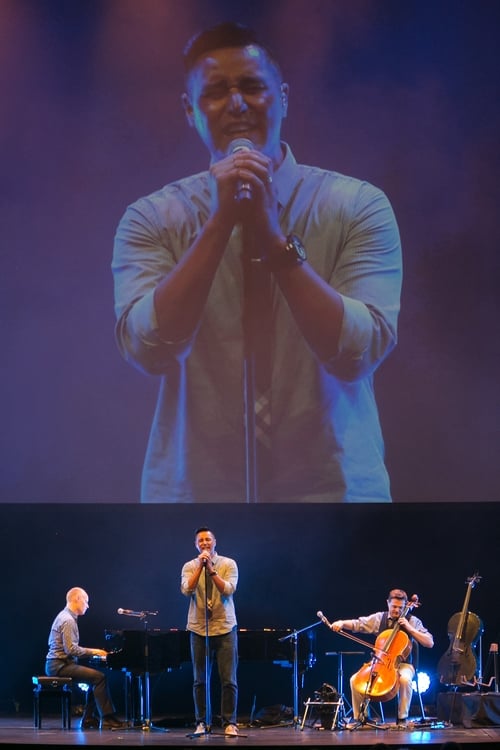
The Piano Guys, the unstoppable classical/pop crossover music stylists. Their albums have been #1 on multiple Billboard Charts for over 273 weeks. They have become YouTube superstars from their self-made innovative videos in stunning locations that have amassed over four million subscribers and more than 700 million views, and are a touring phenomenon selling out shows around the world. The Piano Guys LIVE! at Red Rocks (2015) captures their sold out concert at Red Rocks Amphitheater, performing all of their hits including "What Makes You Beautiful," "A Thousand Years" and "Let It Go" along with some special guest appearances. Experience all the excitement of TPG live in concert at the world's most stunning outdoor amphitheater!
Himself
Herself
No Trailers found.