"A meal you'll never forget"
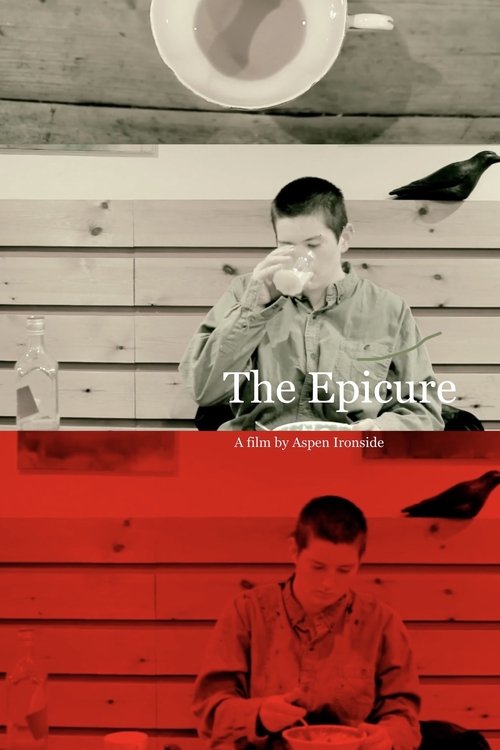
The Epicure depicts a person undertaking a highly unusual meal, for which the motives of doing so, are unknown
Protagonist
Professor Okembje's latest invention signals the dawn of a new era. But will it be the humanity's salvation ... or its damnation? A team of intrepid detectives find themselves caught in a harrowing game of cat and mouse as they attempt to solve its riddle. Woe betides any who dare not gaze upon the majesty that is FILLER!
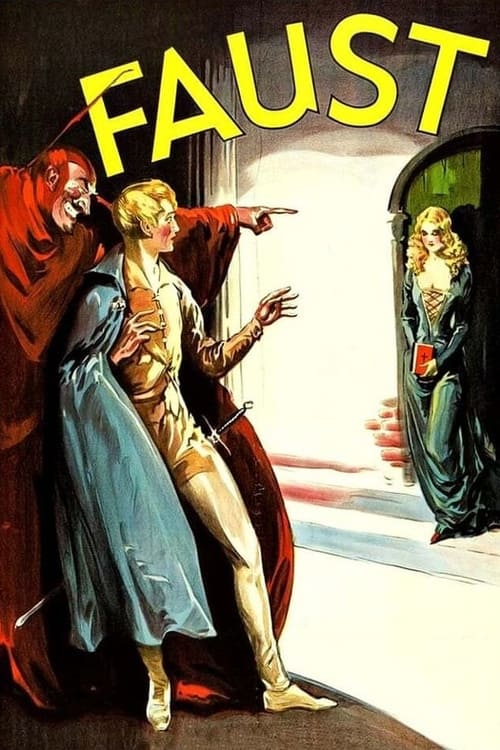
God and Satan wager on the soul of a learned and prayerful alchemist as part of their eternal war over Earth.
This silent mystery is considered a lost film.
A prophet who longed to look upon his deities. A daunting journey to a mountain peak. A confrontation with gods too powerful to name. This is the story that inspired Peter Rhodes, who worked as a filmmaker and artist during the 1920s. Few people know of his work, and it's only through luck and perseverance that we have been able to track down the elements for this "lost" film. Rhodes' films were created using silhouette animation, a technique perfectly suited to depict Lovecraft's mythic Dreamland stories. The filmmaker's involvement in New York City's occult and literary scenes provided him with a select audience for his work. Rhodes was especially influenced through his relationships with occultist Aleister Crowley and writer H.P. Lovecraft, but it was personal tragedy that moved him to produce "The Other Gods: A Tale of the Dream Cycle," his most powerful film.
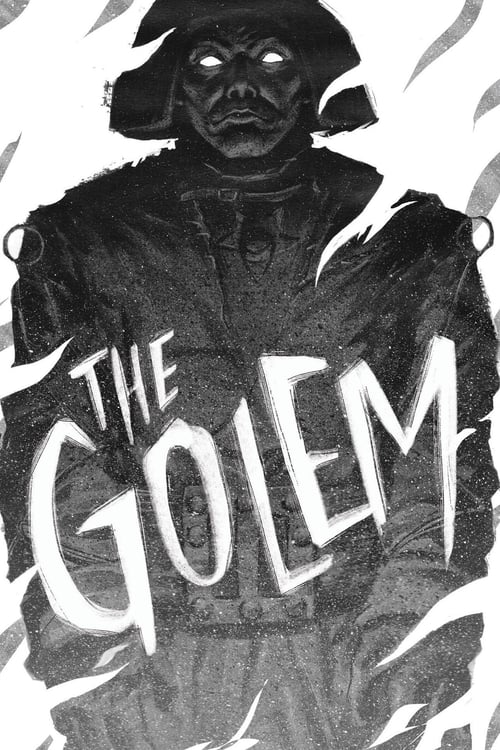
This mostly lost film is often confused with director Paul Wegener third and readily available interpretation of the legend; Der Golem, wie er in die Welt kam (1920). In this version of the golem legend, the golem, a clay statue brought to life by Rabbi Loew in 16th century Prague to save the Jews from the ongoing brutal persecution by the city's rulers, is found in the rubble of an old synagogue in the 20th century. Brought to life by an antique dealer, the golem is used as a menial servant. Eventually falling in love with the dealer's wife, it goes on a murderous rampage when its love for her goes unanswered.
One of the two earliest horror films ever made. This film is presumed lost. In this black comedy scene, the bottom falls out of a coffin, the corpse tumble out, and is jolted back to life. Short sequences like this, as well as street scenes and dancing geisha girls were the main subjects of early Nippon cinema, pioneered by Shiro Asano and Shibata Tsunekichi from 1897 onwards. In creating dramatic, scenes, film-makers naturally chose the most striking or bizarre. Another undocumented film, recalled by cameraman Shiro Asano.
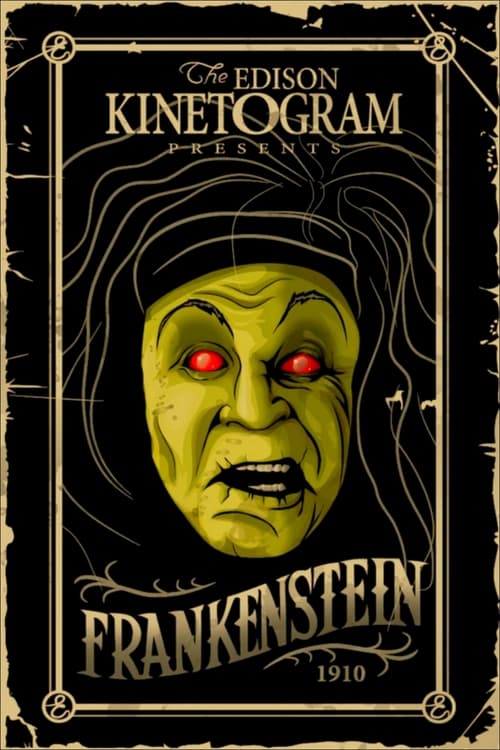
Frankenstein, a young medical student, trying to create the perfect human being, instead creates a misshapen monster. Made ill by what he has done, Frankenstein is comforted by his fiancée; but on his wedding night he is visited by the monster.
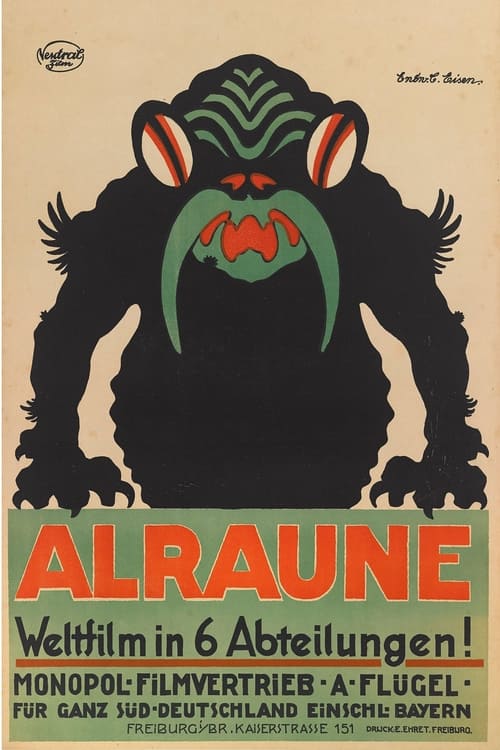
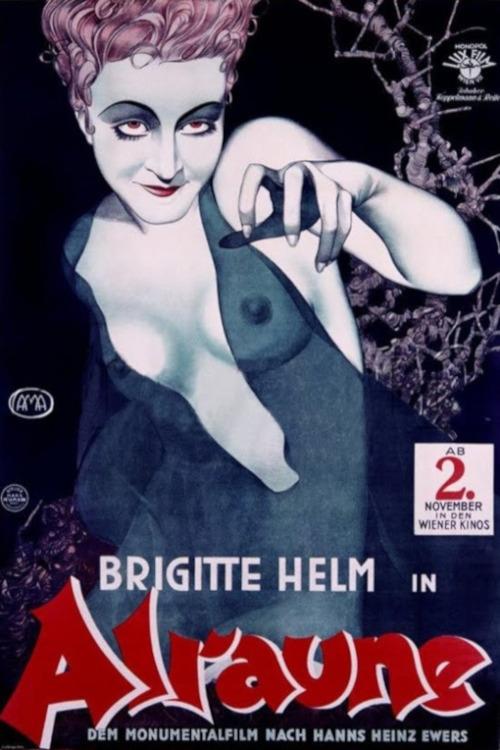
Mad scientist, doctor Ten Brinken artificially inseminates a prostitute with a dead man's semen. The resulting child grows up to be a beautiful, evil woman who turns against her creator.
Hanns Heinz Ewers' grim science-fiction novel Alraune has already been filmed twice when this version was assembled in 1928. In another of his "mad doctor" roles, Paul Wegener plays Professor Brinken, sociopathic scientist who combines the genes of an executed murderer with those of a prostitute. The result is a beautiful young woman named Alraune (Brigitte Helm), who is incapable of feeling any real emotions -- least of all guilt or regret. Upon attaining adulthood, Alraune sets about to seduce and destroy every male who crosses her path. Ultimately, Professor Brinken is hoist on his own petard when he falls hopelessly in love with Alraune himself. Alraune was remade in 1930, with Brigitte Helm repeating her role, and again in 1951, with Hildegarde Knef as the "heroine" and Erich von Stroheim as her misguided mentor.
In 16th-century Prague, a rabbi creates the Golem - a giant creature made of clay. Using sorcery, he brings the creature to life in order to protect the Jews of Prague from persecution.
A world-famous pianist loses both hands in an accident. When new hands are grafted on, he is horrified to learn they once belonged to a murderer.
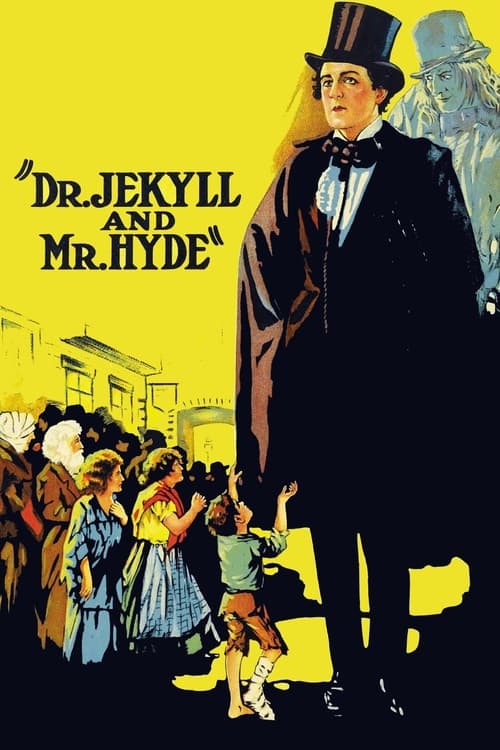
A doctor's research into the roots of evil turns him into a hideous depraved fiend.
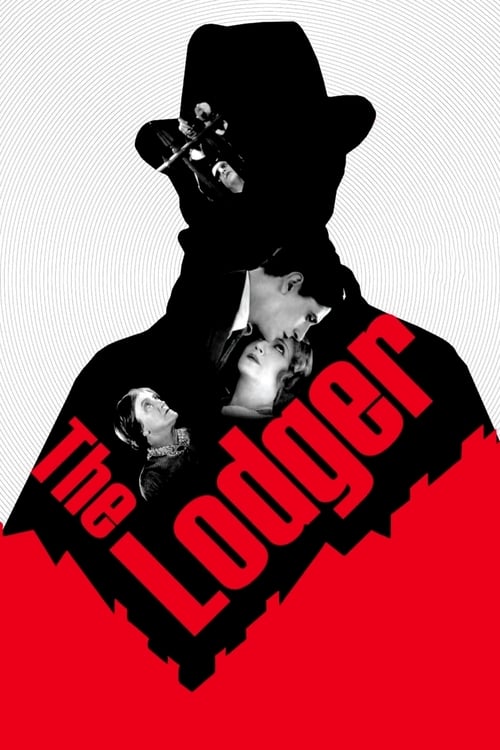
London. A mysterious serial killer brutally murders young blond women by stalking them in the night fog. One foggy, sinister night, a young man who claims his name is Jonathan Drew arrives at the guest house run by the Bunting family and rents a room.
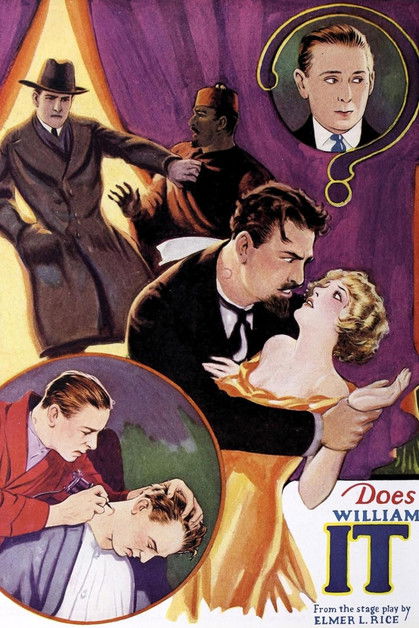
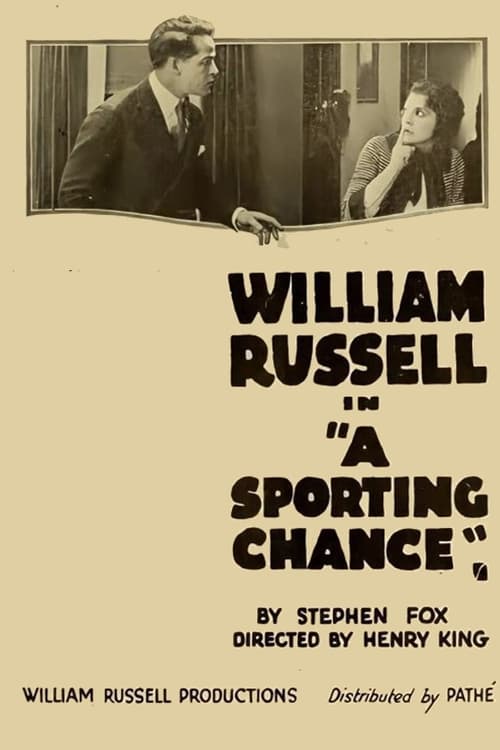
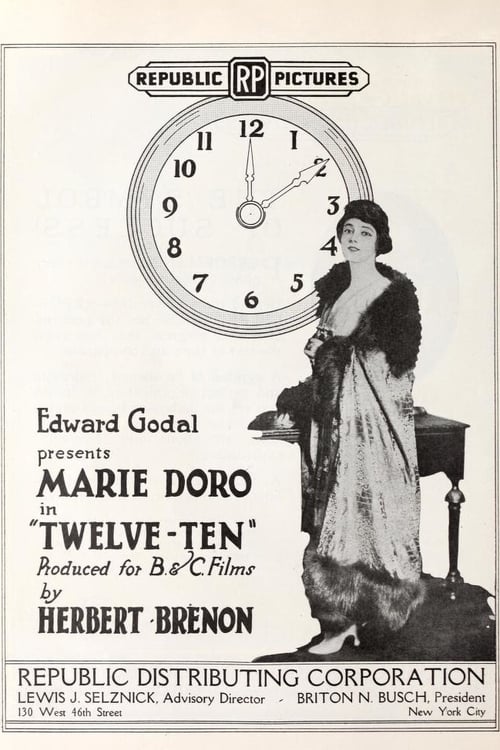
John Stonehouse (William Russell) checks into a hotel, intending to commit suicide. But instead he winds up helping a girl, Gilberte Bonheur (Fritzi Brunette), out of a jam. He finds her bending over a man who she has apparently killed, and since he's about to kill himself anyway, he offers to assume the blame. Throw a valuable emerald into the works, and the fact that the dead man suddenly comes back to life, and Stonehouse -- not to mention the audience -- becomes thoroughly befuddled by it all. Everything clears up, however, when Gilberte gives him a theater ticket -- it turns out that everything he went through was the plot to a stage play, enacted in real life by the actors. The critics roasted the play, saying it wasn't true to life, and this was their proof that the situations really could happen. Gilberte retires from acting when Stonehouse proposes.
No overview available.
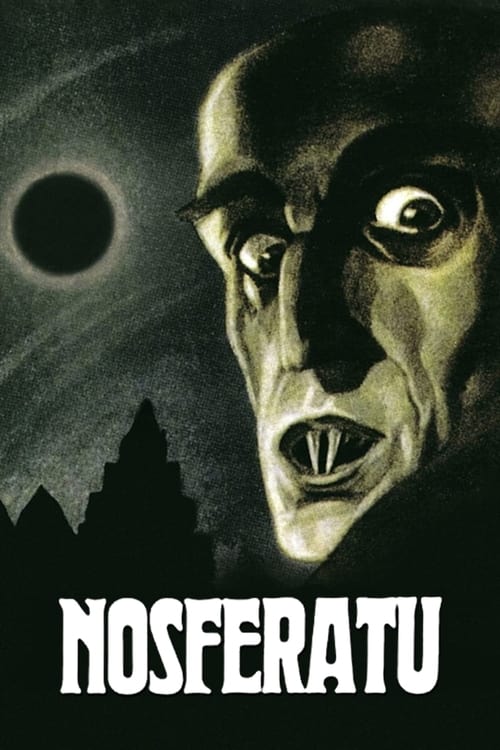
The mysterious Count Orlok summons a happily married real estate agent to his castle, located up in the Transylvanian mountains, to finalise a terrifying deal.
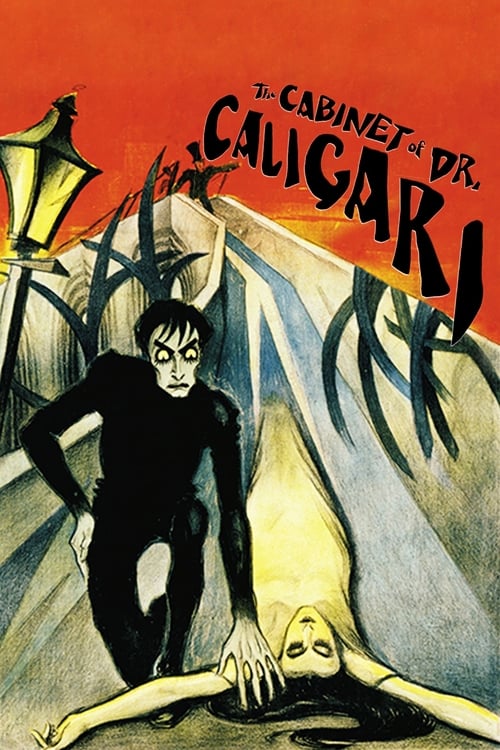
Francis, a young man, recalls in his memory the horrible experiences he and his fiancée Jane recently went through. Francis and his friend Alan visit The Cabinet of Dr. Caligari, an exhibit where the mysterious doctor shows the somnambulist Cesare, and awakens him for some moments from his death-like sleep.
Louis Fernando fails to sell a patent upon which he has spent the better part of his life and drowns himself. His orphaned child Marie is adopted by Lord Chatterton. Geoffrey Brooke, who is in the employ of Lord Chatterton, falls in love with Marie. Chatterton's general manager Arthur Newton also loves Marie and formulates a scheme whereby he hopes to win her and also acquire the Chatterton fortune. Chatterton becomes suspicious and by a ruse traps Newton and exposes his plot. Marie and Geoffrey are made happy in the end.
The Count sets out to make a private room for him and his Countess, built in such a way no one can see, hear, and most importantly, disturb them. But unbeknownst to the Count, his wife has set her eyes on the court minstrel. Based on Edgar Allan Poe's “The Cask of Amontillado” and Honoré de Balzac's “La Grande Breteche”.
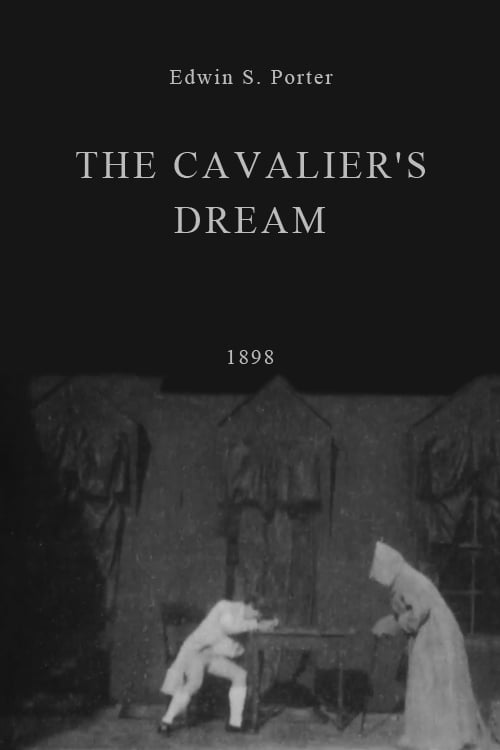
He sits asleep at a bare table; old witch enters, raps three times, then disappears; cavalier sees table spread for a sumptuous repast. Mephistopheles appears; then the old witch, who suddenly changes to a beautiful young girl. The changes and magical appearances are startling and instantaneous.
No Trailers found.