An Edo appointed official Baba must ensure the safe delivery of shogunate funds to Kyoto.
No Trailers found.
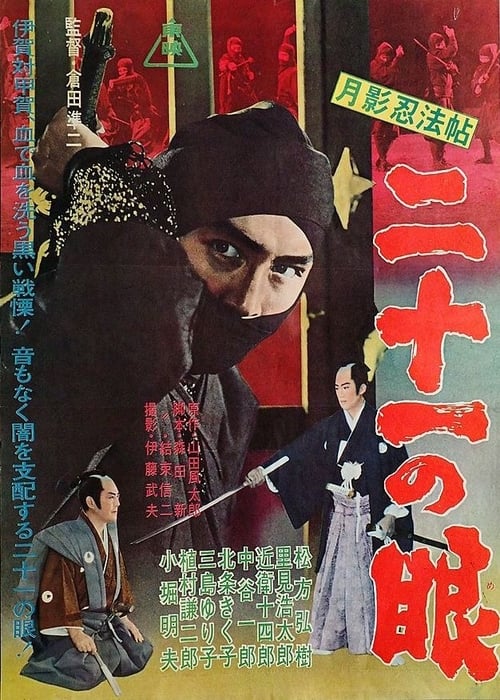
A wave of terror is threatening to unseat Shogun Yoshimune. Police stations are erupting into flames, convicts escaping from prison, houses robbed and vandalized, streets teeming with panicked citizens. Is Ijyuin Tanomo, highly-placed official of Owari clan, secretly using deadly ninja to foment riot and rebellion? Narumiya Shinbei, a lone samurai spy adept at ninjutsu must uncover the hidden hand orchestrating these shocking crimes. Shinbei enlists a small band of dedicated ninja to lay siege to the enemy’s stronghold, where his own sister works as an undercover agent. Now, ninja must fight ninja in a last desperate battle to save the shogunate.
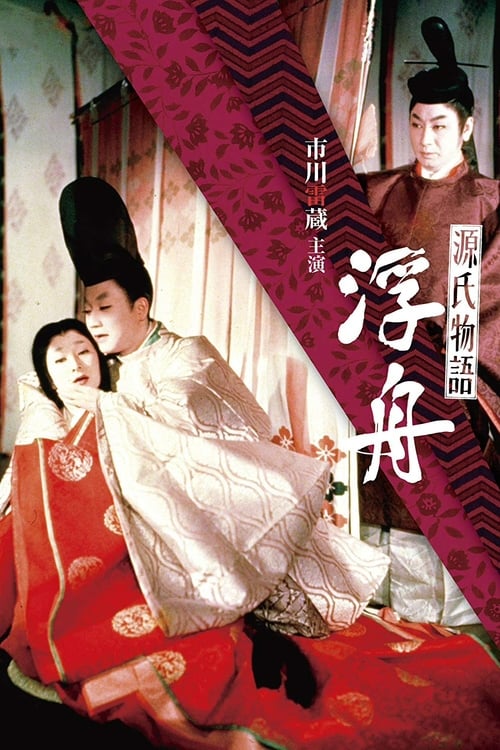
Floating Vessel (源氏物語 浮舟 , Ukifune) is a 1957 color Japanese film directed by Teinosuke Kinugasa. Drawn from parts of the famous Genji monogatari by Lady Murasaki.
A samurai thief fights a gang of ghostly thieves using scorpions for treasure in the unexplored Shinano region, which is guarded by a descendant of the Heike clan.
GOZEN is a jidageki (period piece) dramas. The word “gozen” refers to a feudal game held in the presence of a Daimyo, described as a match “one must not lose”.
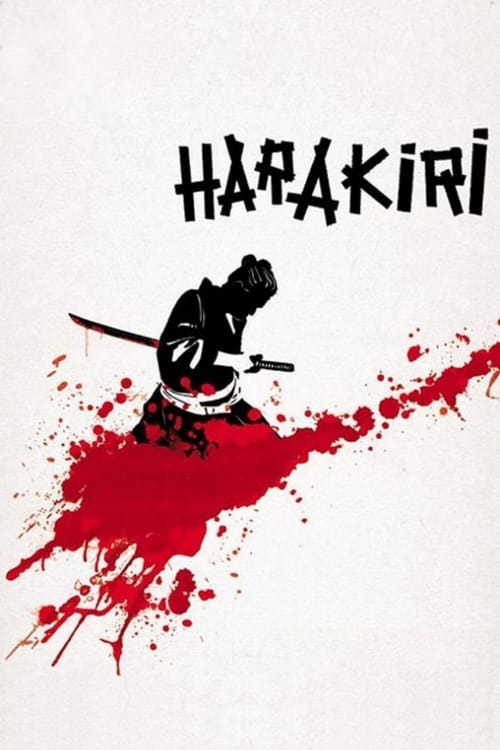
Down-on-his-luck veteran Tsugumo Hanshirō enters the courtyard of the prosperous House of Iyi. Unemployed, and with no family, he hopes to find a place to commit seppuku—and a worthy second to deliver the coup de grâce in his suicide ritual. The senior counselor for the Iyi clan questions the ronin’s resolve and integrity, suspecting Hanshirō of seeking charity rather than an honorable end. What follows is a pair of interlocking stories which lay bare the difference between honor and respect, and promises to examine the legendary foundations of the Samurai code.
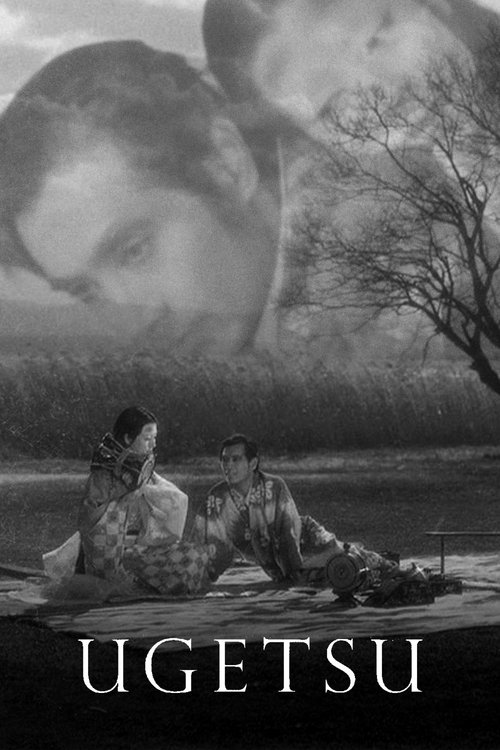
In 16th century Japan, peasants Genjuro and Tobei sell their earthenware pots to a group of soldiers in a nearby village, in defiance of a local sage's warning against seeking to profit from warfare. Genjuro's pursuit of both riches and the mysterious Lady Wakasa, as well as Tobei's desire to become a samurai, run the risk of destroying both themselves and their wives, Miyagi and Ohama.
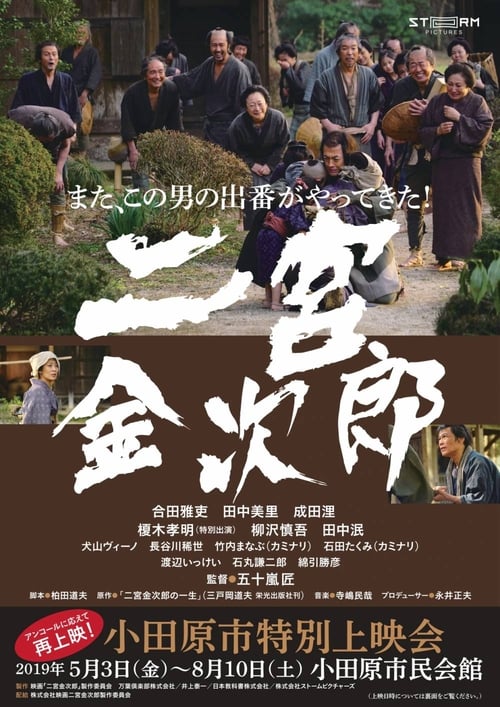
Ninomiya Kinjirou is a biopic follows the life of the eponymous character, an 18th century peasant boy who worked to rescue over 600 poor villages and hamlets from financial ruin by developing new economic policies.
Set during Japan's Shogun era, this film looks at life in a samurai compound where young warriors are trained in swordfighting. A number of interpersonal conflicts are brewing in the training room, all centering around a handsome young samurai named Sozaburo Kano. The school's stern master can choose to intervene, or to let Kano decide his own path.
In a poor district of Edo lives a young samurai named Soza. He has been sent by his clan to avenge the death of his father. He isn't an accomplished swordsman however, and he prefers sharing the life of the residents, teaching the kids how to write etc. When he finally finds the man he is looking for, he will have to decide whether he follows the way of the samurai or chooses peace and reconciliation.
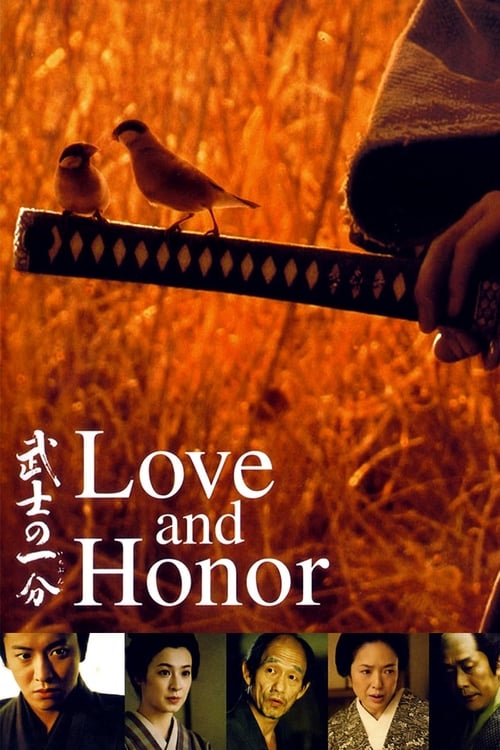
A look at the relationship between a young blind samurai and his wife, who will make a sacrifice in order to defend her husband's honor.
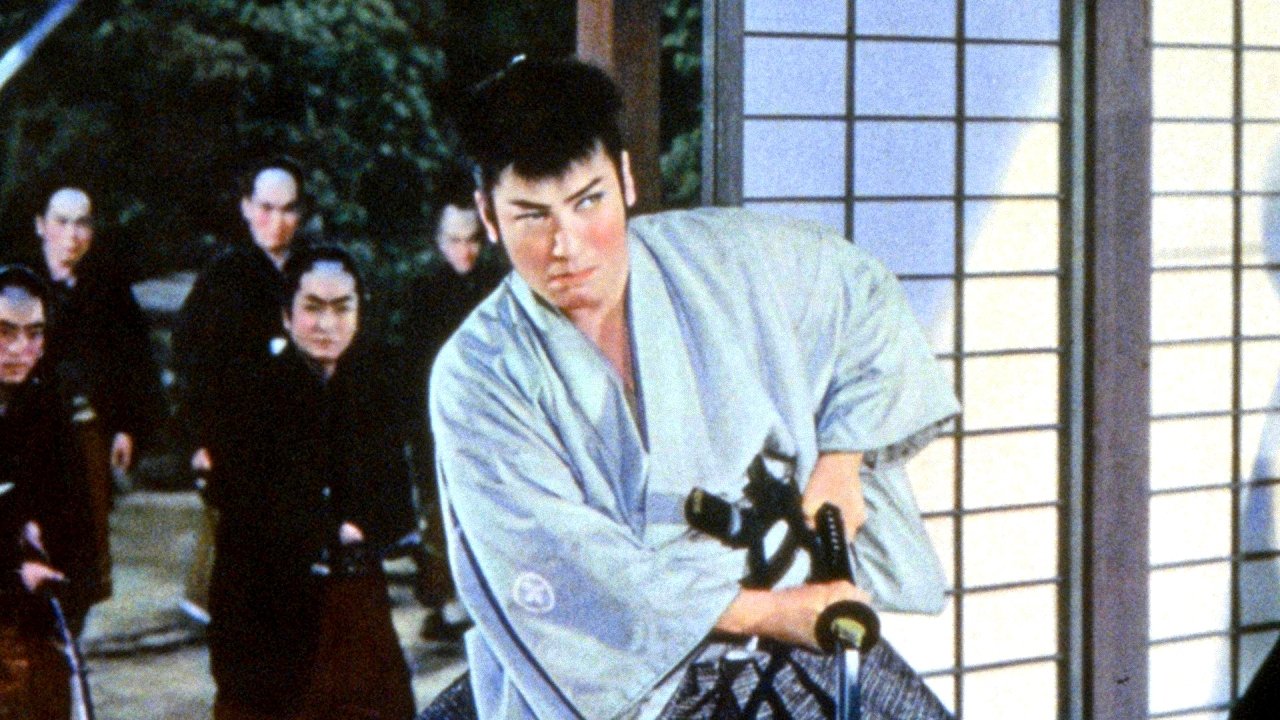
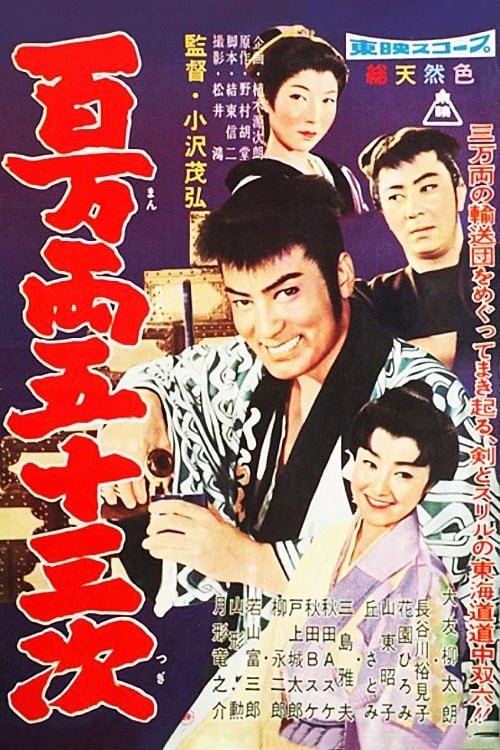
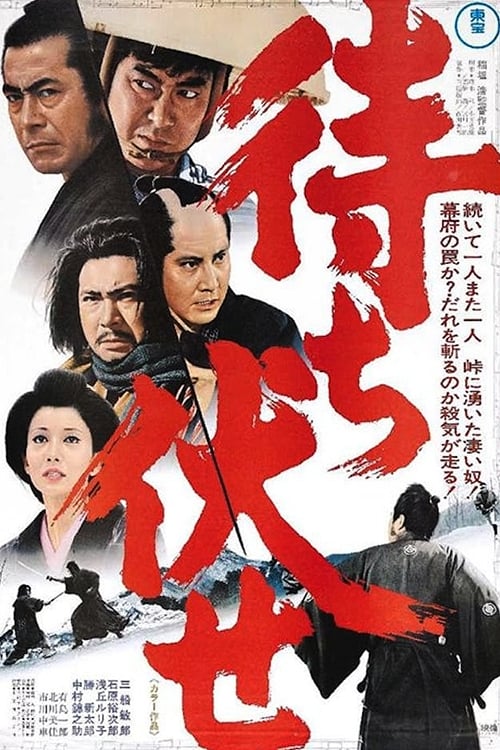
In the Edo period, a nameless ronin accepts an assignment to go to a mountain pass and wait. Near the pass he stops at an inn where a collection of characters gather, including a gang set on stealing shogunate gold that's soon to come over the pass. When the Ronin's assignment becomes clear, to help the gang, he's ordered to kill the inn's residents, including a woman he's rescued from an abusive husband. He's reluctant to murder innocent people; then he learns that the gold shipment is a trap and he's part of a double cross. How he sorts through these divided loyalties tests of his samurai honor, and perhaps of his love for a woman.
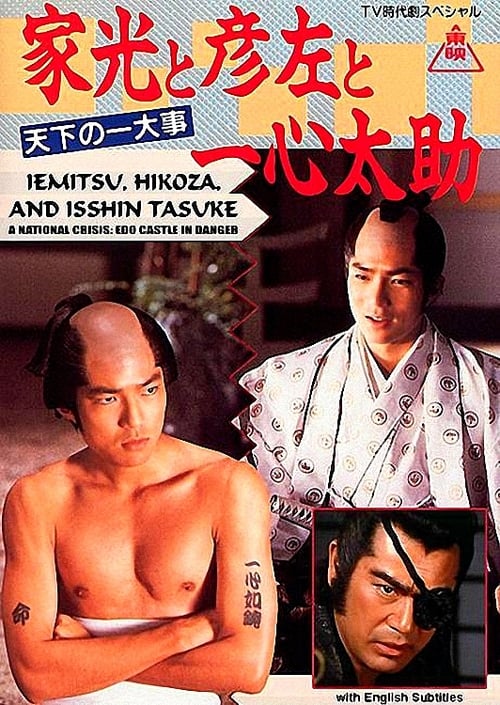
Yagyu Jubei, the finest swordsman in the land, is called upon to bare his blade to help Iemitsu keep his post. Meanwhile a fishmonger named Isshin Tasuke who bears an amazing resemblance to Shogun Iemitsu may be called upon to put his life on the line by acting as the Shogun's double. At the same time, the tragic story of Banzuiin Chobei and Mizuno Jurozaemon is unfolding.
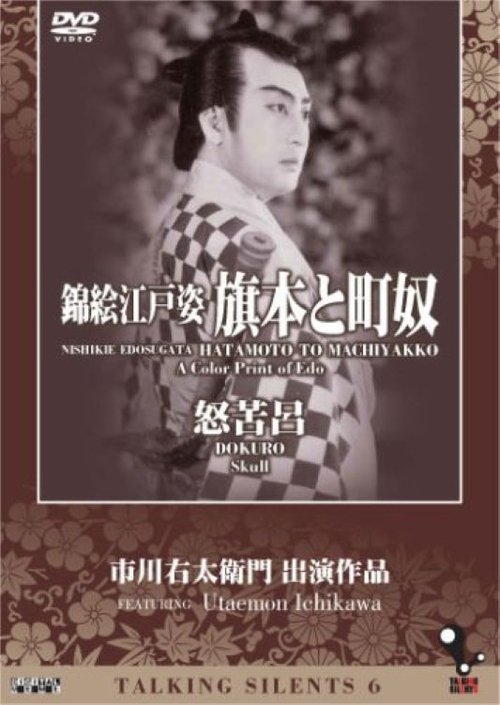
The Color Print of Edo is a 1939 black and white Japanese silent film with benshi accompaniment directed by Kazuo Mori. It is a cheerful period drama, sprinkled with comical scenes and tells the story of a loyal and handsome Edo period servant who fights to help his older brother marry the woman he loves. The star of this film, Utaemon Ichikawa, gained enormous popularity for his portrayal of a cheerful and chivalrous man.
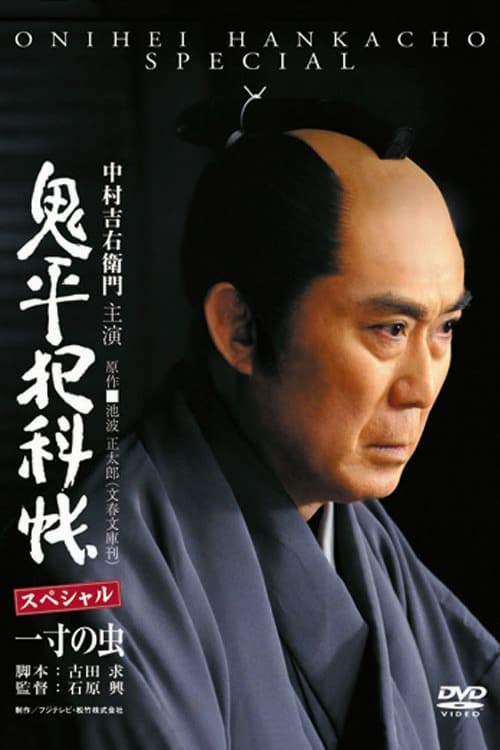
Detective Onihei better known as "Heizo the Demon" heads a group of skilled officers, however, one of those special officers got himself into a web of betrayal and deceit, and become the very thing Heizo the Demon investigates daily.
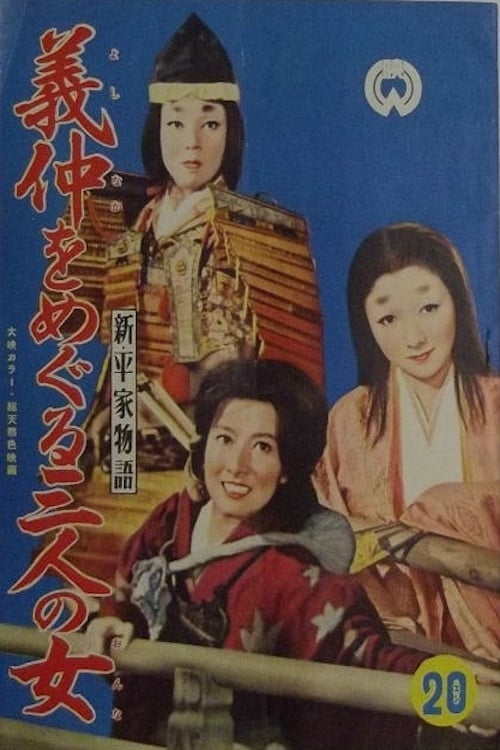
The story of Yoshinaka during the tumultuous period of warring related to us in the Heike Monogatari. Close in setting to Kinugasa’s famous Gate of Hell (1953).
No overview available.
In 1701, an insult led to a sword slash between the heads of the Ako clan and the Kira clan in Shogun's court. The head of the Ako clan was ordered to commit seppuku, and his loyal retainers plotted revenge against the Kira clan. This led to the legendary events known as the "47 ronin incident". However, unknown to most, the head of the Kira clan, Kozukenosuke Kira, is already dead from his wounds. Impersonating him is his slacker monk brother Takaaki, who has to prevent his brother's death being found out to protect his clan – and accidentally befriends Ooishi, the leader of the Ako men who wouldn't really want to go through with the revenge. Will Takaaki survive with his head?
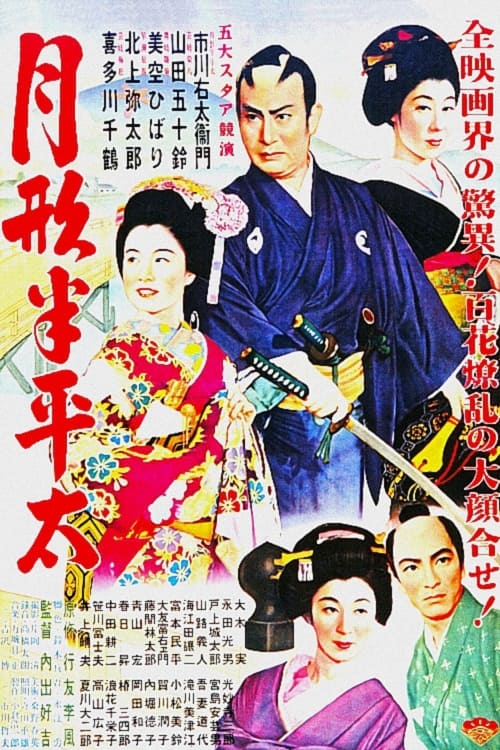
During the ultra-violent era of the downfall of the Tokugawa Shogunate one man rose above the rest with his ideas of how to overthrow the corrupt government and end the bloodshed between the Choshu and Satsuma clans which would ultimately lead to the alliance of these 2 clans and restoration of the emperor to full power. Based on the play that made Sawada Shojiro famous, this is the story of Tsukigata Hanpeita, a forward looking samurai from Choshu, who along with Katsura Kogoro and Sakamoto Ryoma of Tosa worked to bring their dream of a new era in Japan.
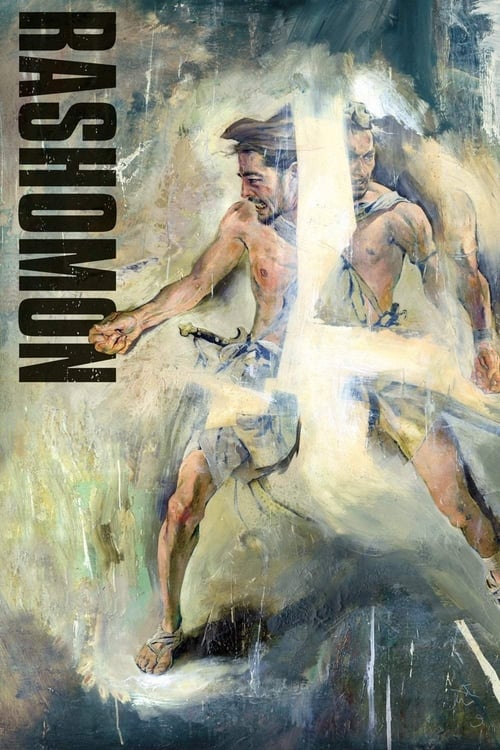
Four people recount different versions of the story of a man's murder and the rape of his wife.