Spring
Spring (singing voice)
Liitle Mouse
Little Frog
Hedgehog
Little Rooster
Little Cloud
No Trailers found.
John Dexter’s brilliant production, James Levine’s masterful conducting of the eclectic score, and a sensational cast come together to make this Kurt Weill–Bertolt Brecht masterpiece a riveting evening of music theater. At the center of the action is Jimmy Mahoney (Richard Cassilly), a logger who stumbles onto the city of Mahagonny, where (almost) anything is allowed. Teresa Stratas gives a mesmerizing performance as Jenny, the prostitute who takes up with Jimmy, until he is executed for the greatest of all crimes in Mahagonny—to not have any money. The legendary Astrid Varnay, in her final Met appearances, is Leocadia Begbick, and Cornell MacNeil sings Trinity Moses.
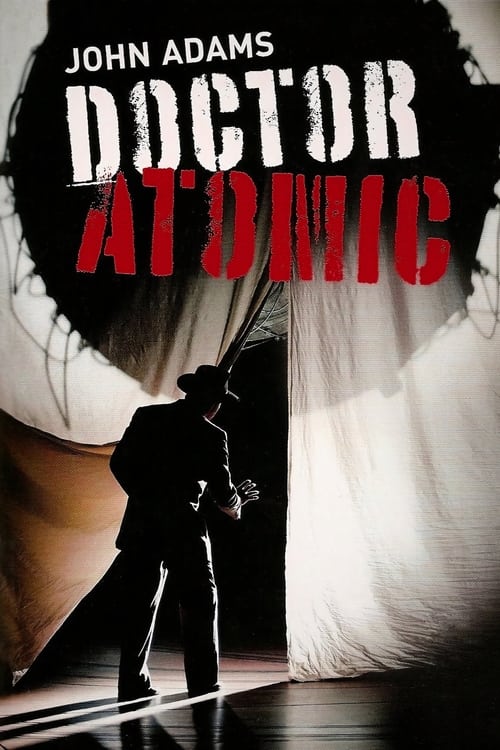
The European premiere of the opera by the contemporary American composer John Adams, with libretto by Peter Sellars, in a co-production of the San Francisco Opera (where the work premiered), the Lyric Opera of Chicago, and De Nederlandse Opera. The plot focuses on the great stress and anxiety experienced by those at Los Alamos while the test of the first atomic bomb (the "Trinity" test) was being prepared.
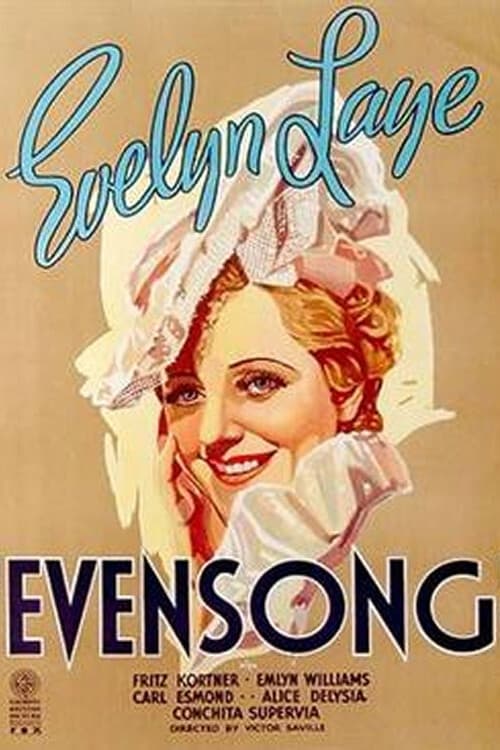
Loosely based on the story of the singer Nellie Melba...
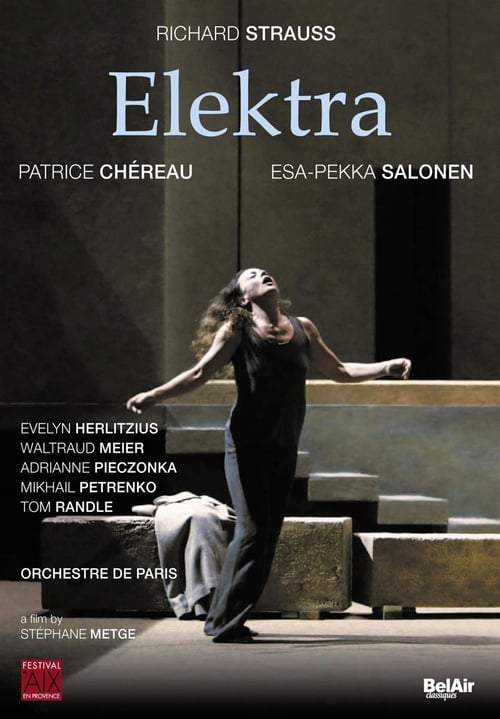
Last production staged by Patrice Chéreau, this Elektra will remain as the main and most striking lyrical event of these last years in Aix-en-Provence. This production is leaded by three amazing singers: the German soprano Evelyn Herlitzius gave a tremendous, never-to-be-forgotten account of the title role, Waltraud Meier portrays a human and chilling Clytemnestra and Adrianne Pieczonka is a fantastic Chrysothemis. Everyone's loneliness and intimate struggles are Patrice Chéreau's favorites theatrical themes. With Esa-Pekka Salonen conducting the Orchestre de Paris, this production of Elektra becomes an unforgettable experience.
Don Quichotte (Don Quixote) is an opera in five acts by Jules Massenet to a French libretto by Henri Caïn. It was first performed on 19 February 1910 at the Opéra de Monte-Carlo.
No overview available.
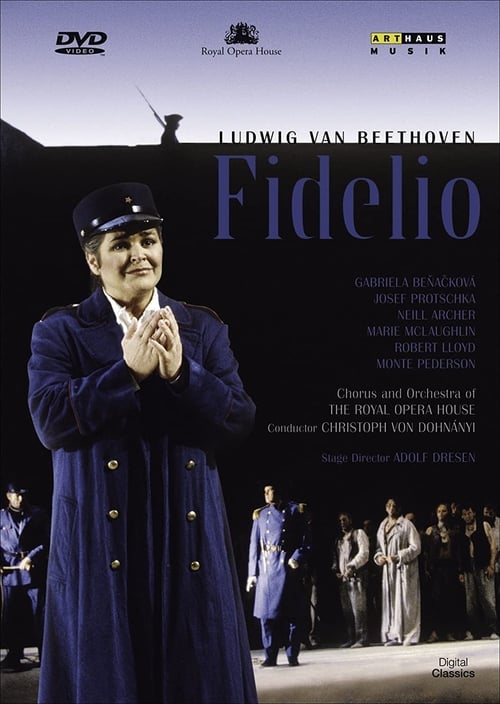
Beethoven's opera Fidelio.
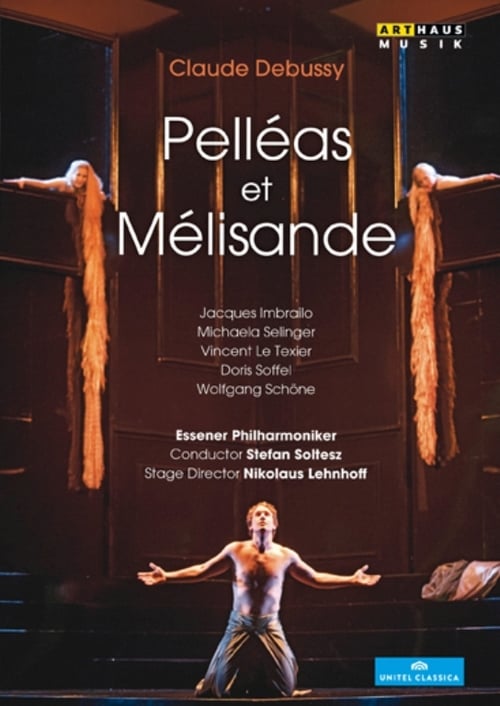
Drama lyrique in five acts, after the play by Maruice Maeterlink
Star soprano Anna Netrebko adds Donizetti’s hapless heroine to her growing list of Met triumphs in this production by Mary Zimmerman that updates the events to the 19th century. Rising young tenor sensation Piotr Beczała is Edgardo and Mariusz Kwiecien plays Lucia’s brother Enrico whose brutal authority forces her to deny her heart and marry for the sake of her family. The famous mad scene brilliantly depicts the cascading fragments of Lucia’s disintegrating mind.
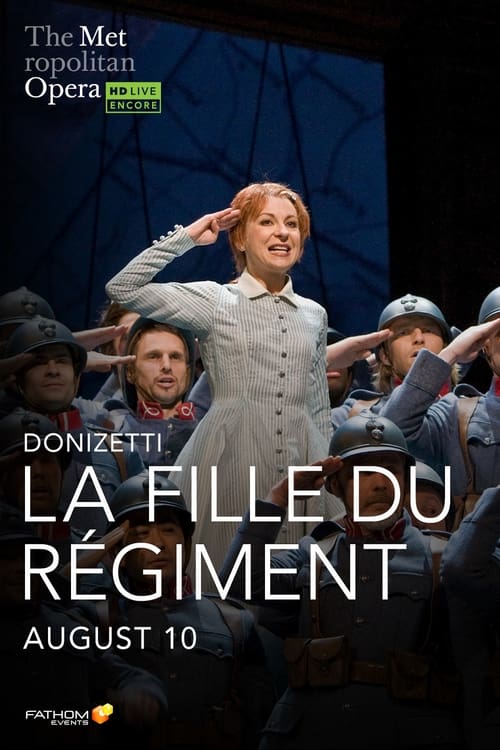
Madcap physical comedy and impeccable coloratura come together for Natalie Dessay’s indelible portrayal of the feisty tomboy raised by a regiment of French soldiers. Juan Diego Flórez is the young Swiss villager who conquers her heart—and a slew of high Cs. Also featuring uproarious performances by Felicity Palmer and Alessandro Corbelli, as well as a cameo by Tony Award winner Marian Seldes, this laugh-out-loud production was a runaway hit that left audiences exhilarated.
Three colours, three moods, three registers. And yet Puccini conceived this triptych as a whole from the outset. He interweaves these three one-act operas, from Il tabarro, a drama of passion set on the quays of the Seine in the early 20th century, to Gianni Schicchi, a burlesque farce set in medieval Florence, and Suor Angelica, a mystical tragedy set in a 17th-century convent.
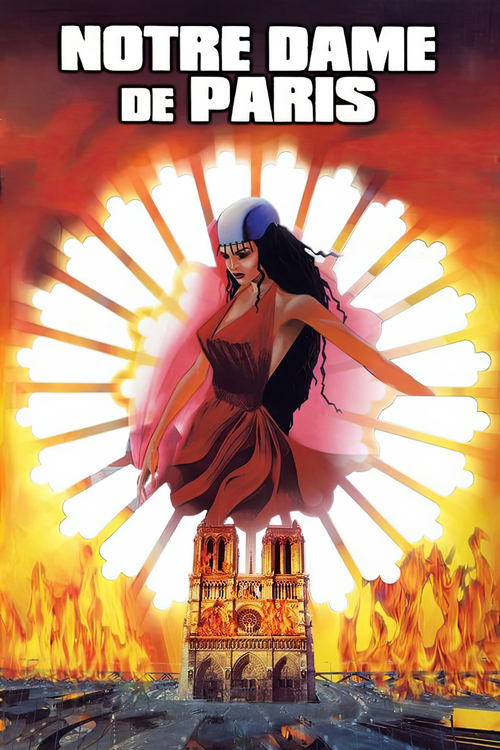
A musical adaptation of Victor Hugo's novel "Notre Dame de Paris" which follows the gypsy dancer Esmeralda and the three men who vie for her love: the kind hunchback Quadimodo, the twisted priest Frollo, and the unfaithful soldier Phoebus.
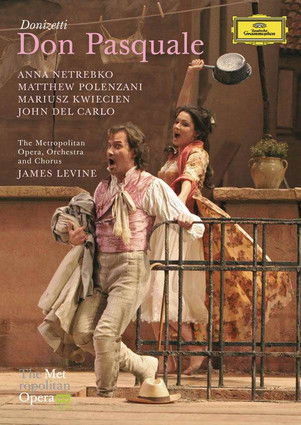
Donizetti’s timeless comedy shines in Otto Schenk’s enchanting production, conducted by James Levine and featuring a remarkable cast. The incomparable Anna Netrebko is Norina, the young widow beloved by Ernesto (a suave Matthew Polenzani), who is about to be disinherited by his miserly uncle, Don Pasquale (John Del Carlo). It takes the clever scheming of Dr. Malatesta (Mariusz Kwiecien) to set things right and to teach the old curmudgeon a lesson—fits of temper, mistaken identities, and all kinds of comic confusion included.
IL CAMPANELLO DI NOTTE, Farce in one act by Gaetano Donizetti, is set in Naples. Don Annibale Pistacchio, an old apothecary, have just married the young Serafina. Enrico, former lover of Serafina, interrupts constantly the wedding night showing on several disguises and calling at Pistacchio's drugstore by ringing the night bell, asking the unfortunate groom a preposterous list of prescriptions.
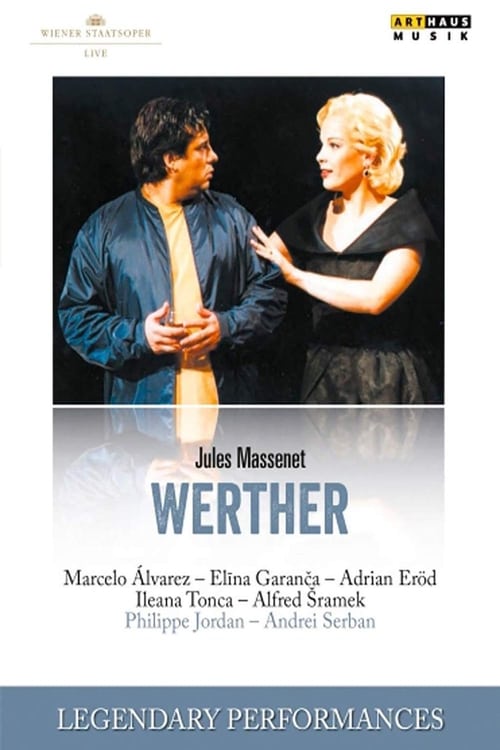
The production was the Vienna State Opera debut for the young Swiss conductor Philippe Jordan – the Argentinian tenor Marcelo Álvarez, took the title role. His Charlotte on this occasion was the young Latvian mezzo-soprano Elīna Garanča. Her performances have been enthusiastically received and she has already been labelled as the new mezzo wonder. Staged by internationally sought-after Rumanian director, Andrei Serban, the apparently sentimental love story – normally presented in 18th century period costumes - reveals a study of personal relationships and a close observation of a woman, who comes of age too late. Serban’s aim was to rid the opera of the unjustified reputation of banality that clings to it despite its underlying tragic mood. By setting the production in the stiff, claustrophobic atmosphere of a small town in the 1950s, he aimed to make the audience more aware of its deeper levels of self-denial.
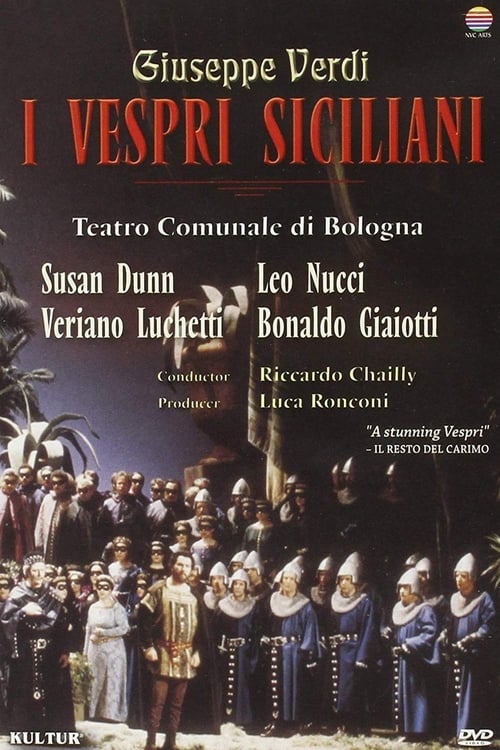
I Vespri Siciliani must me Verdi's most underrated masterpiece. Most people are put off by the fact that it has 5 acts, therefore they conclude that it must be incredibly long. It is long but not as long as some people may fear as most of the acts are under half an hour each. The total length of the DVD in question is 171 minutes, just under 3 hours, including titles at the beginning, applauses and curtain calls between the acts and at the end. The opera contains Verdi's most powerful overture and a number of very elegant arias, duets and ensembles for the principals.
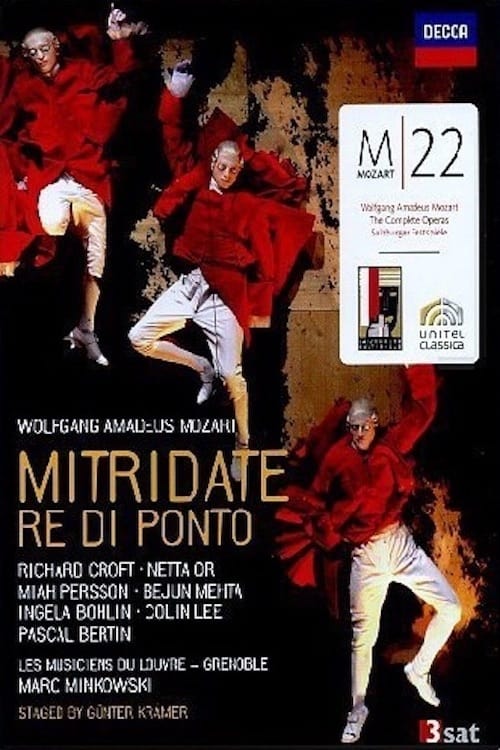
The definitive version of this rare opera by Wolfgang Amadeus Mozart. The costume and set design is truly visionary and other worldly and gives a convincing insight into what staged operas must have looked like during the Baroque and Rococo period. Singers are all excellent and well cast in their respective roles. One of the most thrilling things I have seen, just wish I could see this live.
Göran Gentele's production of Verdi's Un ballo in maschera premiered on television on New Year's Day 1965. Gentele's version is an adaptation in which some of the roles have changed names and locations. The opera is sung in Swedish, and the translation was done by Erik Lindegren.
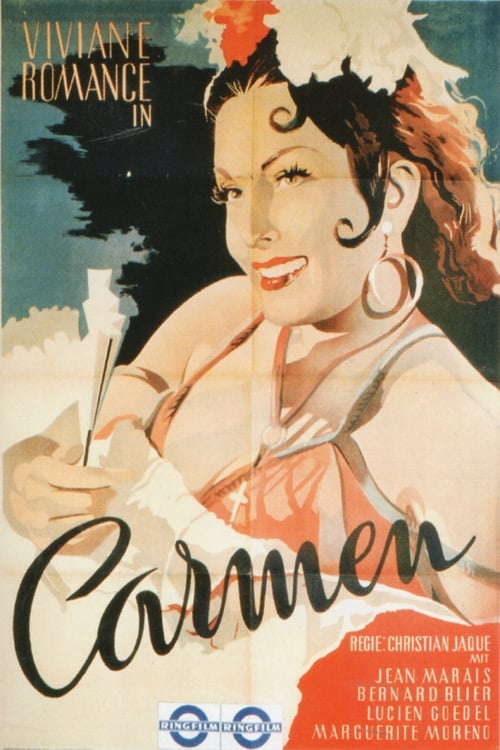
Carmen is a French-Italian musical drama film directed by Christian-Jaque and starring Viviane Romance, Jean Marais, and Lucien Coëdel. It is a version of the famous opera. It was filmed in two versions, French and Italian, with the same screen cast but some different crew, and with Italian voices dubbed in on the Italian version, which have been munged together at IMDb. A third version, with English dubbed under the direction of British actor Noel Howlett, was made subsequently using one of the two (French or Italian) originals for the visual source.
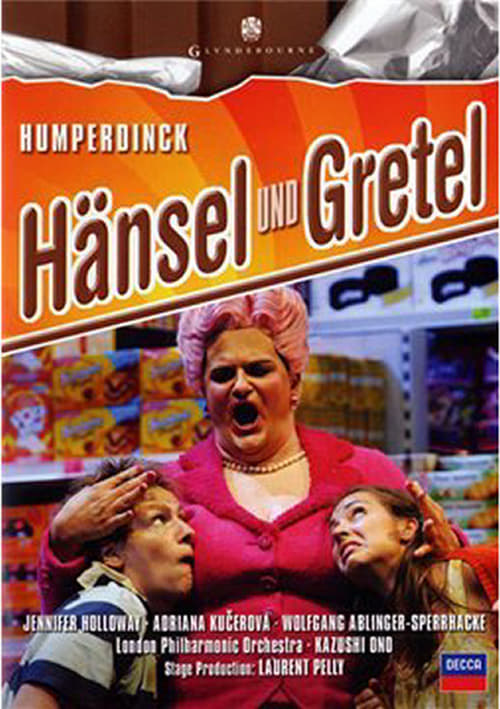
As bright and colorful as penny candy, this visually arresting production of Engelbert Humperdinck's "Hansel und Gretel" puts a twist on the classic fairy tale upon which it's based by uprooting the action to modern times. Director Laurent Pelly's interpretation, which premiered at Glyndebourne in 2008, finds Hansel, Gretel and their family taking shelter in a cardboard box while the witch's stock of goodies lines the shelves of a supermarket.