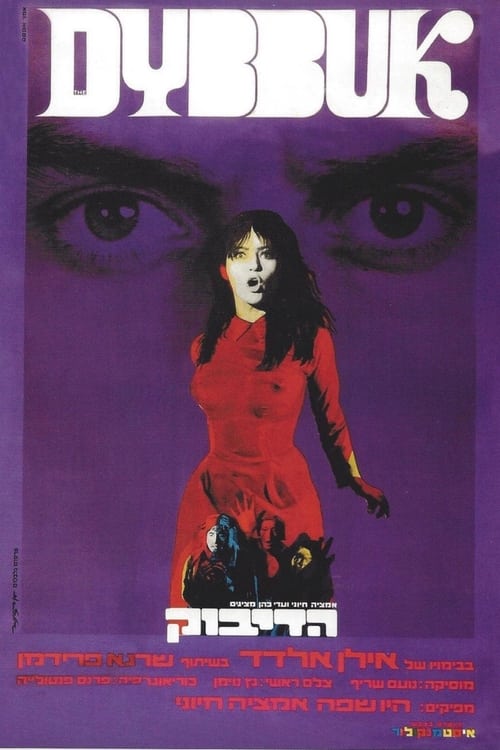
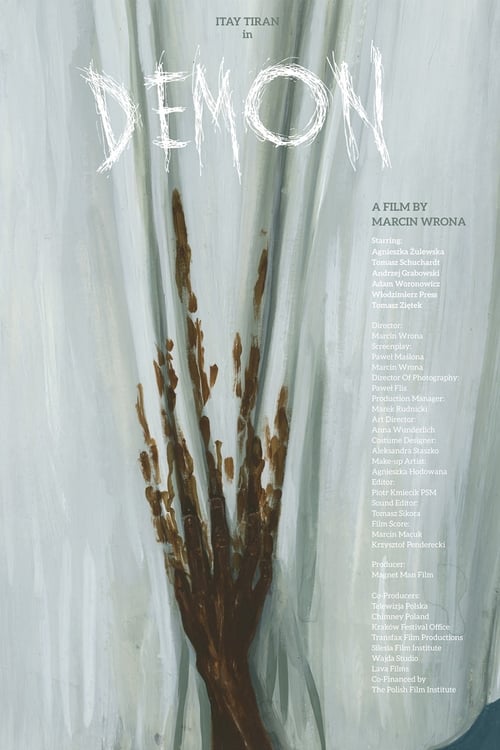
A young woman is possessed by a malicious spirit.
No Trailers found.
Meschulah
Zadik
Lea
Sender
Channon
Michael
Tsigayner
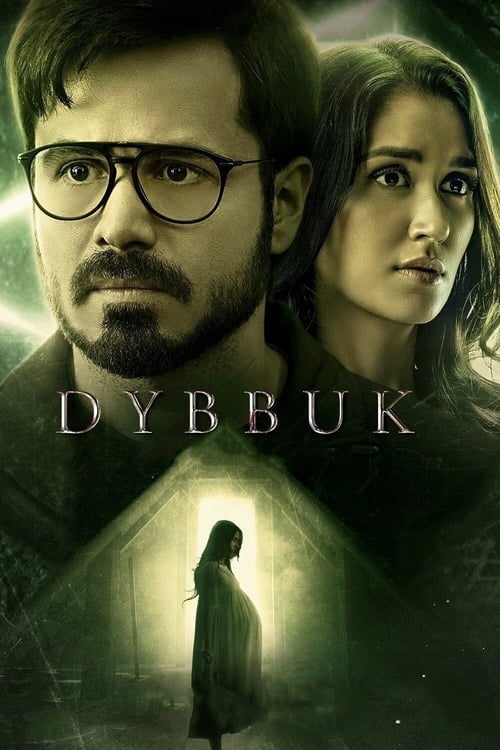
Mahi, a newly married woman, brings an antique Jewish box into her home. When Mahi and her husband Sam begin to have paranormal experiences, they soon learn that the box is a dybbuk containing an evil spirit. The couple then seeks the help of a rabbi to unravel its mystery. Will they survive this ordeal before their child is born?
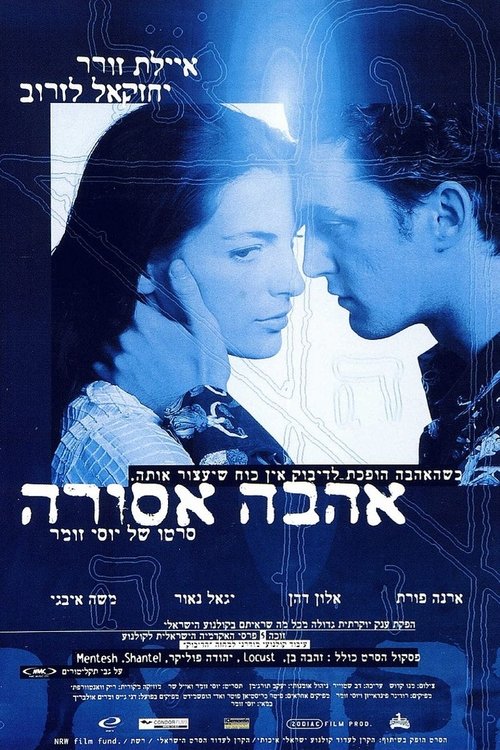
This mythic love story set in a timeless, lavishly colorful and mystical Jerusalem incorporates hard rock, striking set design, computer-generated imagery and modern-day tensions between the secular and the Orthodox worlds. Hanan, a handsome young traveler - who has pierced ears and wears grungy flannel shirts - falls in love with Lea, the beautiful daughter of a leader in the religious community. Unbeknownst to the couple, a deal was struck, years earlier, in which they were promised to each other by their fathers. When Hanan consults with a master of Kabbala, a set of mysteriously forbidden eleventh-century texts unleashes untold powers, merging the erotic with the divine and affirming love's infinite potential to transcend all obstacles. The lovers are played by Yehezkel Lazarov (Waltz with Bashir) and Ayelet Z'urer (Angels & Demons; Vantage Point). (from sfjff.org)
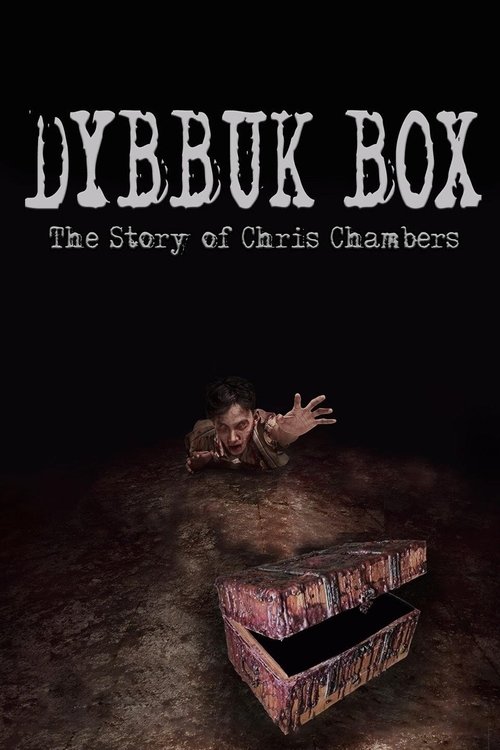
The encounters recorded by Chris Chambers have been studied by industry professionals and proven to be accurate recorded paranormal accounts. Currently documented as one of the most supernatural recorded events to date.
A bridegroom is possessed by an unquiet spirit in the midst of his own wedding celebration, in this clever take on the Jewish legend of the dybbuk.
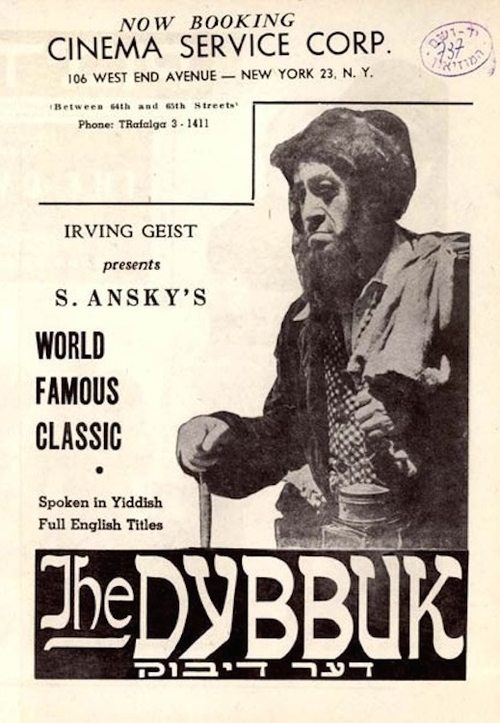
In a Polish shtetl, two young men who have grown up together betrothe their unborn children, ignoring the advice of a mysterious traveler not to pledge the lives of future generations. Soon after, one of them dies, and the wife of the other dies in childbirth. The children grow up in different towns, without ever knowing of the betrothal, but the power of the vow leads them to meet each other when they are marriageable. The young woman, Leah, is promised to another man, but Channon, the son of the father who died, is a practitioner of mysticism, and seeks to win his bride through sorcery.
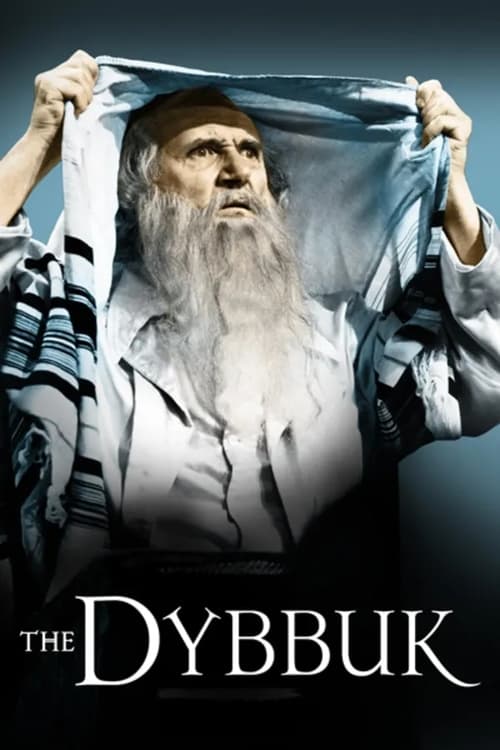
The Dybbuk is a made for TV film adaptation of a classic Jewish folktale. The story is about a young Jewish man, Sender (Theodore Bikel) who loves a young Jewish woman, Leah (Carol Lawrence) but her father arranges her marriage with another man. The grief of this causes Sender to die, but his spirit passes into the body of his beloved on her wedding day. Rabbi Azrael (Ludwig Donath), who serves as our narrator through the beginning of the film, is charged with the task of exercising Sender’s Dybbuk (sometimes defined as a malicious spirit or demon who possesses the living) from Leah’s body.
30 thousand Hasidim journey to Uman in Ukraine to celebrate the Jewish New Year at the gravesite of Rebbe Nachmann. A Ukrainian far-right group erects a cross at the site of Hasidic prayers and builds a monument to Cossacks who slaughtered thousands of Jews and Poles in 1768.
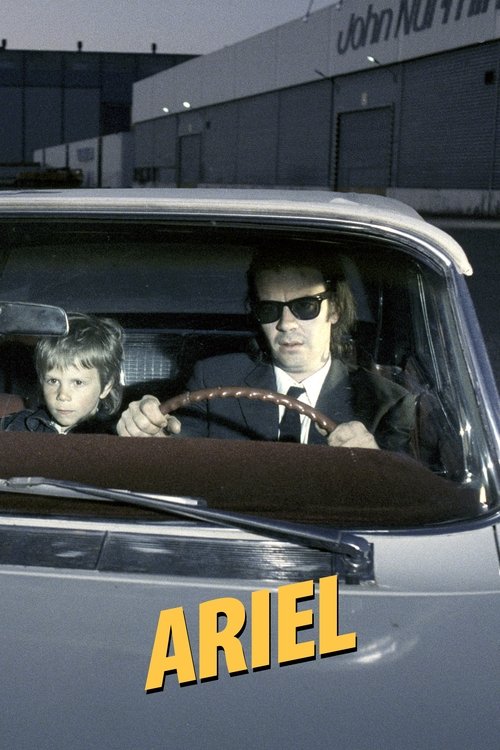
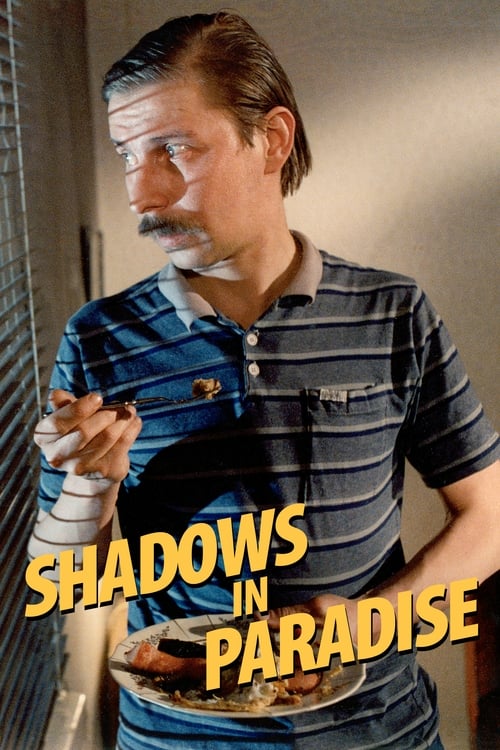
A Finnish man goes to the city to find a job after the mine where he worked is closed and his father commits suicide.
Nikander, a rubbish collector and would-be entrepreneur, finds his plans for success dashed when his business associate dies. One evening, he meets Ilona, a down-on-her-luck cashier, in a local supermarket. Falteringly, a bond begins to develop between them.
A couple on a boat. Their love is burnt out. But how to let go when souls are entangled?
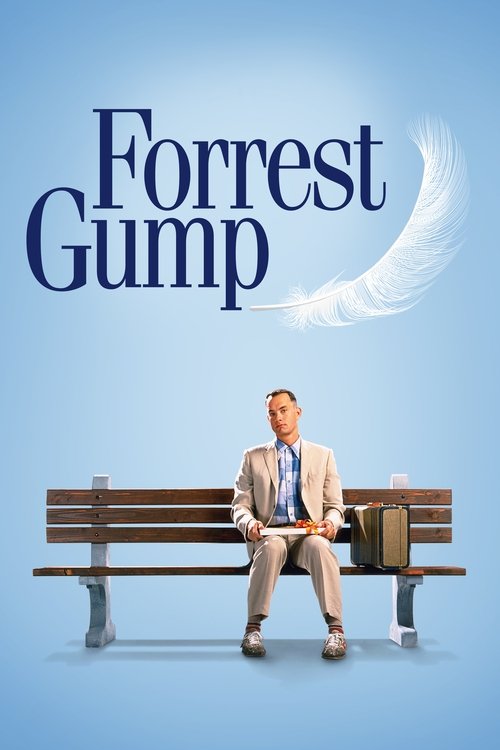
A man with a low IQ has accomplished great things in his life and been present during significant historic events—in each case, far exceeding what anyone imagined he could do. But despite all he has achieved, his one true love eludes him.
Lester Burnham, a depressed suburban father in a mid-life crisis, decides to turn his hectic life around after developing an infatuation with his daughter's attractive friend.
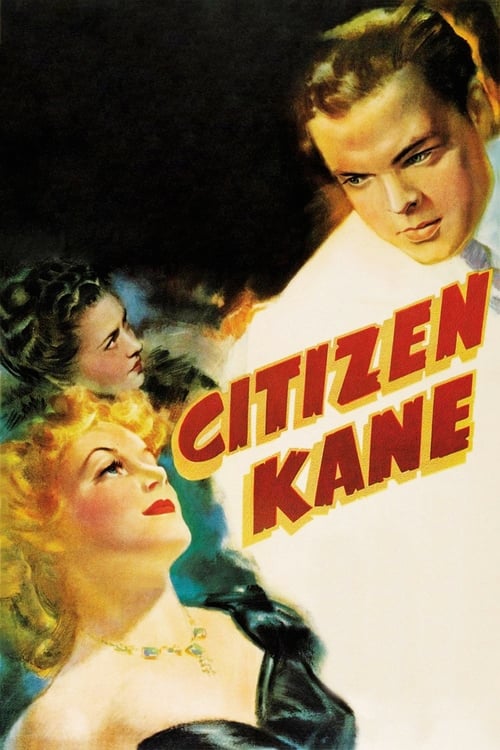
Newspaper magnate Charles Foster Kane is taken from his mother as a boy and made the ward of a rich industrialist. As a result, every well-meaning, tyrannical or self-destructive move he makes for the rest of his life appears in some way to be a reaction to that deeply wounding event.