Líza
Líza (singing voice)
Su-Čong
Su-Čong (singing voice)
Mi
Mi (singing voice)
Gustav
Gustav (singing voice)
Čang
Čang (singing voice)
Chief Eunuch
Miss Hardegg
Maud Goodin is the daughter of a millionaire, content with her present life, but she is an interesting conquest for those wants to get on the social ladder.
No overview available.
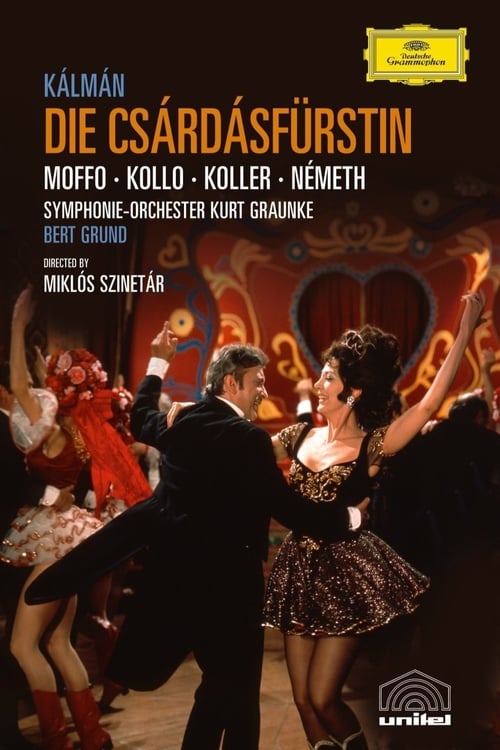
Kálmán Imre's beloved operetta comes to the screen in this comedy of music, marriage and class set in Budapest and Vienna before the outbreak of the First World War, recorded at the Budapest Opera in 1963.
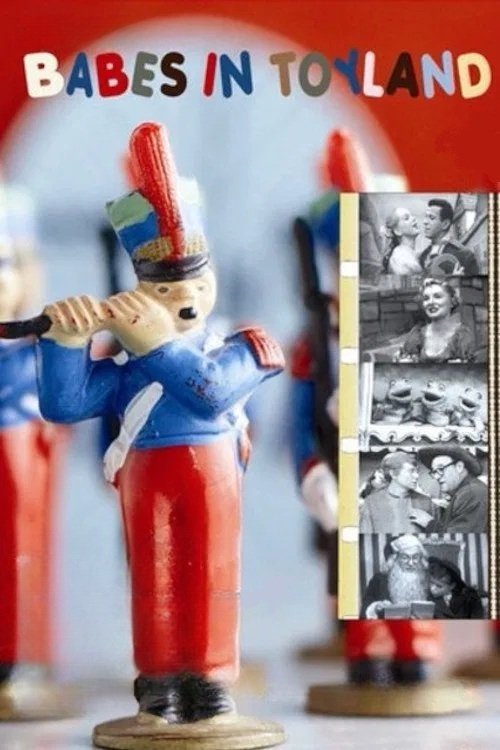
Based on the classic Broadway operetta by Victor Herbert and Glen MacDonough, this live television special became an annual Christmas tradition with rotating cast members.
A young girl becomes lost in a department store during the Christmas shopping rush. The frightened child is comforted by a department store Santa Claus who tells her a tale of storybook characters brought to life - of Tommy Tucker's love for the lovely Jane Piper and the cold-hearted villainy of evil Silas Barnaby. Through the girl's dreams, the viewer is transported to Toyland. Based on the classic Broadway operetta by Victor Herbert and Glen MacDonough, this was its second live television special production, with some new cast members and some returning.
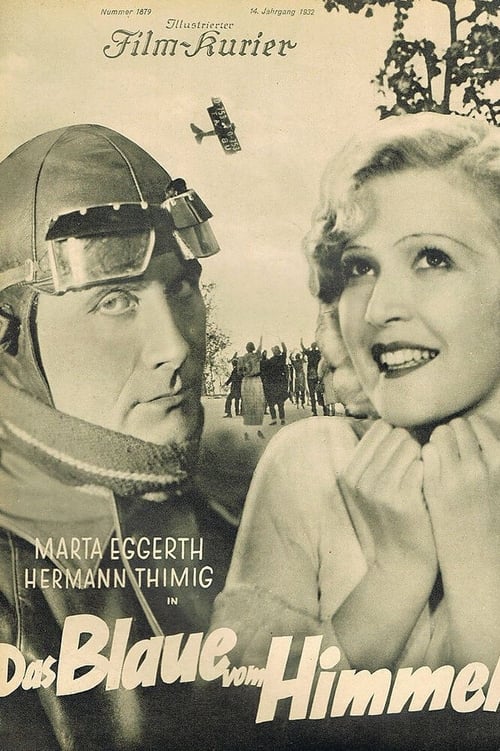
Out of unlikely circumstances an underground ticket vending girl and a mail pilot fall in love.
A British musical film directed by Victor Hanbury and Ladislao Vajda
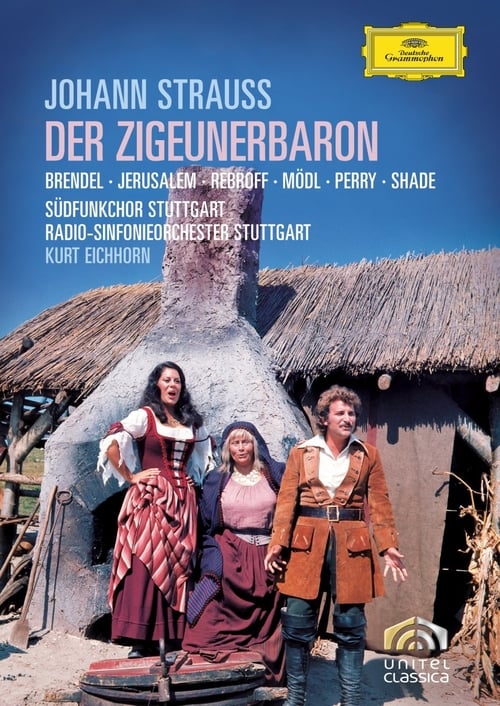
In the Temesvar Province, a landowner returned from exile marries a gypsy girl who is revealed to be the daughter of a Turkish Pasha and the rightful owner of a hidden treasure. Next to "Die Fledermaus", DER ZIGEUNERBARON is Johann Strauss’s most popular operetta. The libretto gave Strauss the chance to revel in such contrasting musical forms as the Csárdás and the Viennese waltz. The style of the lied forms and ensembles is so original and finely balanced that the "Gypsy Baron" can truly be called a comic opera. Among the leading names of the stellar cast in this exuberant 1975 film of the operetta are Wolfgang Brendel, Ivan Rebroff, Janet Perry, Ellen Shade, Martha Mödl and, in the role that launched his career, Siegfried Jerusalem as Sándor Barinkay.
1838: Fritz Jüterbog and Ottilie von Henkeshofen love each other, but the difference in status is too great for Ottilie's parents to give their consent to a marriage. And so, Fritz sets off for America and returns from there 20 years later as a made man to ask for Ottilie's hand in marriage again. In the meantime, however, Ottilie - believing that Fritz had long since forgotten her - is married in a manner befitting her status, but very unhappily. Fritz, who is highly successful as an entrepreneur, is elevated to hereditary nobility because of his great services to the fatherland. It is too late for a union with Ottilie, but despite the years that pass, the two cannot forget their love. 75 years later, Fritz and Ottilie have died in the meantime, their grandchildren Fred and Tilla meet and fall in love.
No Trailers found.