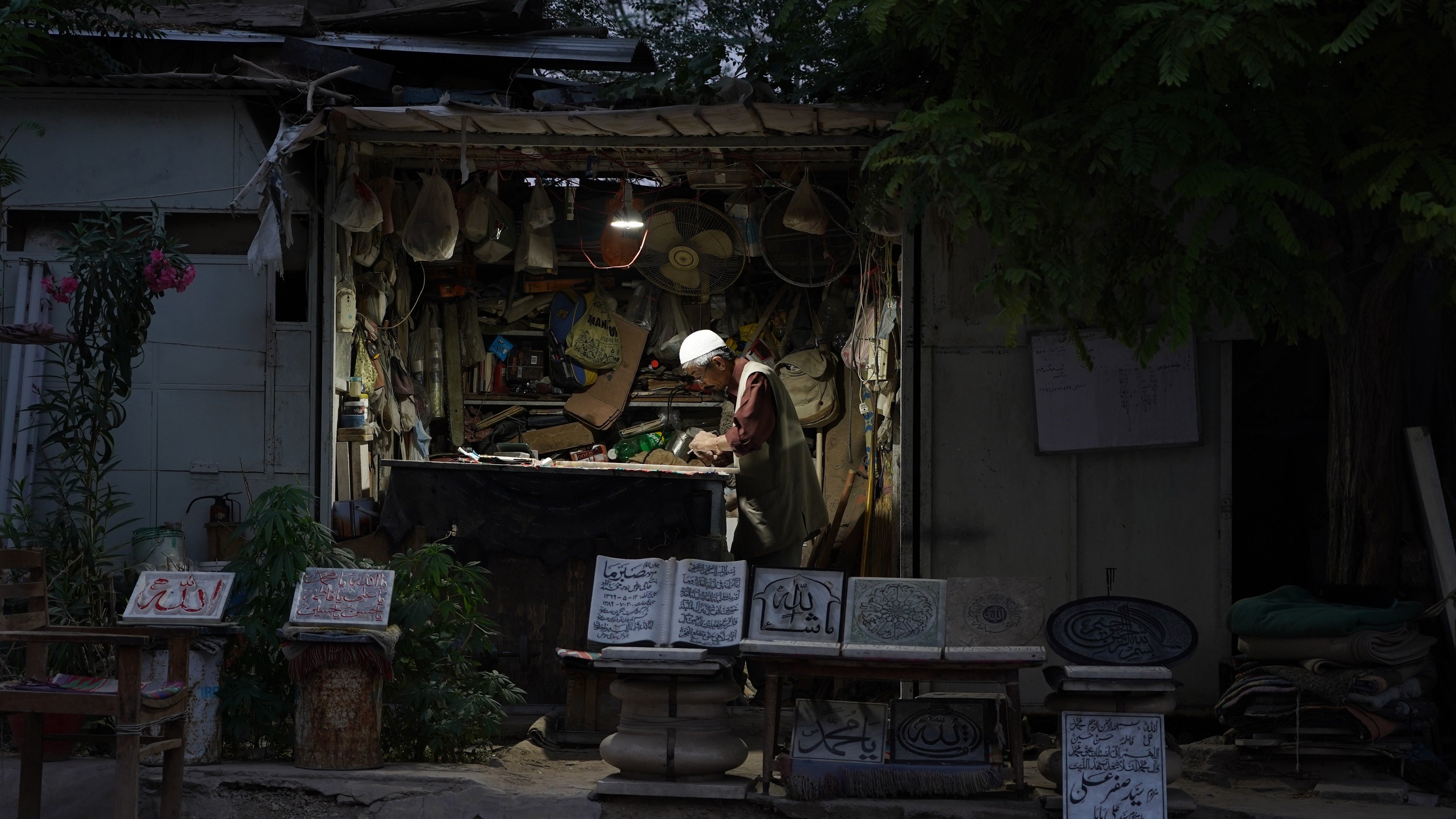
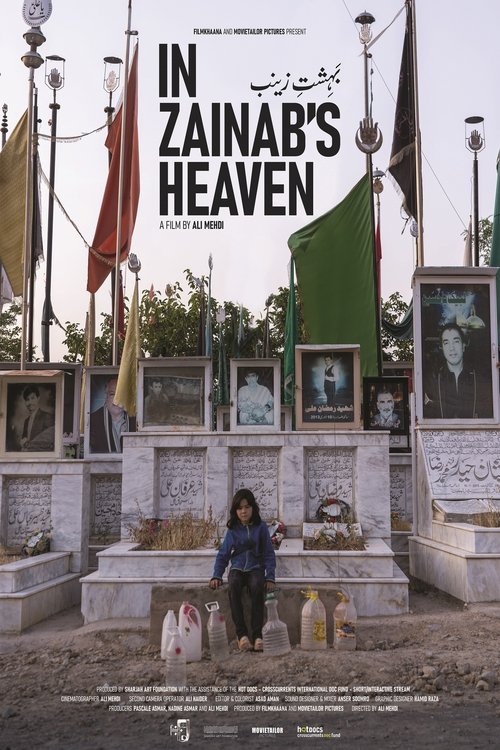
A Hazara film director follows a gravestone maker, a water girl and a man who buried his limb, as their daily lives unfold in a graveyard.
Trailer
(Himself)
(Herself)
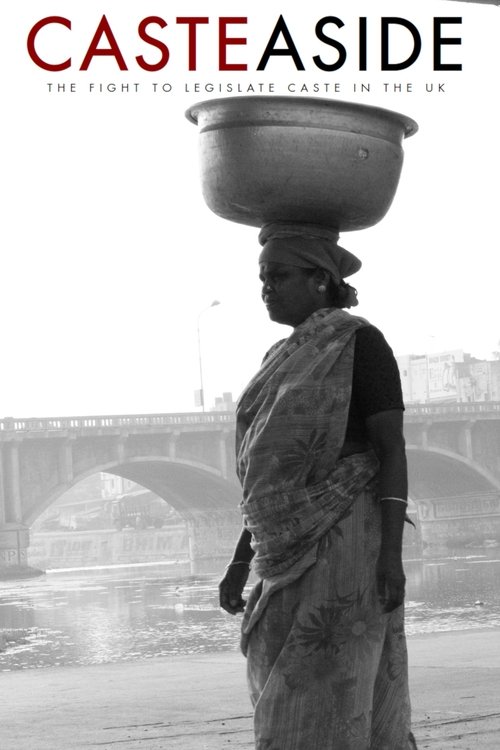
Caste Aside is a documentary about the British government's controversial decision on whether or not to introduce legislation against caste discrimination in the UK. Highlighting both sides of this heated debate, the documentary speaks to Dalit rights activists, Hindu community leaders, academics and lawyers, as well as those who say they have been discriminated against on the basis of their caste - here in Britain.
No overview available.
Through one woman's experience as an adopted person and also as a mother who relinquished her child in 1971, this documentary highlights the many complex issues associated with adoption.
In southern Carinthia, about ninety percent of all inhabitants spoke Slovenian before 1910. Today it is on average a single digit percentage. In this very personal essay documentary, Andrina Mračnikar formulates a political urgency: What happens when one's mother tongue is taken away in everyday life. What must politicians do to counteract the disappearance of a language whose protection is enshrined in the Austrian constitution.
Svetlana has lost her son who was found dead while he was in the army. As she tries to shed light on the culture of violence and abuse in the Belarusian military, a group of young friends from the techno underground soon face being drafted themselves. They go to rave parties in undershirts and round sunglasses, but in a moment the party could be over – at least until huge protests break out in the streets following the recent ‘re-election’ of dictator-president and Putin sympathiser, Aleksandr Lukashenko. A glimmer of hope and a promise of change, which only causes the brutality of the authoritarian society to erupt in full force.
An experimental short film about a day in the life of a barefoot boy who sells newspapers in San Salvador.
One of the key works in creating the American social documentary film, this 1934 newsreel compilation crams a lot of information into just 11 minutes. Skillfully edited, the picture captures a panorama of international events centered on the labor movement. Scenes include Mussolini, Hitler and FDR preparing for war, Nazi soldiers persecuting German Jews, a political strike in Paris, the Scottsboro demonstration in Washington, DC, police violence against striking steelworkers in Pennsylvania and union members stopping scab workers from delivering milk during a dairy farmers strike in Wisconsin. Under the direction of pioneering documentarian Leo Hurwitz, the images are edited together to create a powerful image of a world that, in his view, desperately needed radical change.
Through a child's lens, The Honest Poet reveals a rarely seen side of Afghanistan, following 11-year-old Raheem on a journey through his country and into the homes and hearts of his people.
An exposed Cumbrian village by the sea surrounded by windmills, fields and factories provides a striking setting for this fairy tale of young love and the loss of childhood innocence. Over one year, the film follows the 9 year-old Laura Anne and her 11 year-old cousin, Steven as they move towards the end of their childhoods. The narrative is told in rhyme by the young female protagonist. As time passes and the seasons change, feelings and memories from all our childhoods are evoked and we wonder what time will make of Laura Anne and Steven.
A documentary about the atrocities committed against the Hmong people by the Laos government. Shot by Hmong people with cameras provided to them in 2006, this film provides a unique look into one of the worst, and silent, human rights tragedies of the 21st century.
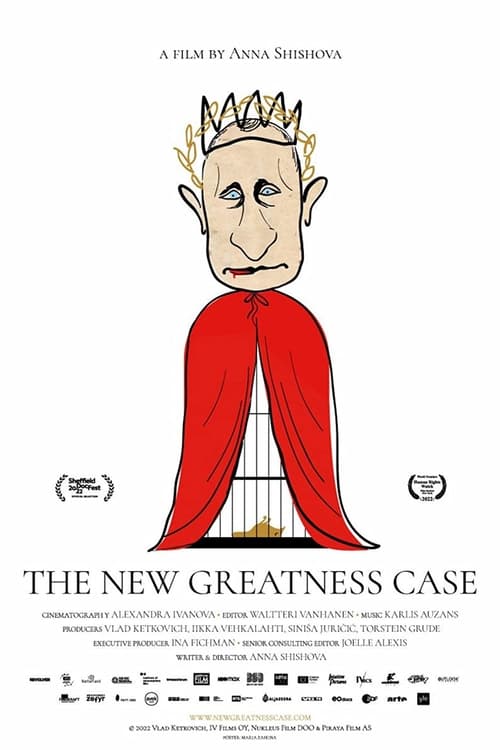
Anya was an ordinary Moscow teenager who found a chat group of her choice online. They talked about animals, the stars and social issues. A man called Ruslan D joined the group, who set up an office space for the online group to meet. Step by step, he began to lead young people who were critical of the Putin's regime towards political activism. Ruslan D placed a camera in the meeting room, and when he had enough footage, he handed it over to the prosecutor. The police raided the teenagers' homes and they were arrested on charges of planning to overthrow the government and terrorism. Three years of legal proceedings transformed Anya's mother from a loyal follower of Putin to a hunger-striking activist. Moscow-based director Anna Shishova followed Anya and her mother's life throughout the event and eventually revealed the true identity of Ruslan D.
Throughout the Islamic world, each year hundreds of women are shot, stabbed, strangled or burned to death by male relatives because they are thought to have “dishonoured” their families. They may have lost their virginity, refused an arranged marriage or left an abusive husband. Even if a woman is raped or merely the victim of gossip, she must pay the price. Crimes of Honour documents the terrible reality of femicide – the belief that a girl’s body is the property of the family, and any suggestion of sexual impropriety must be cleansed with her blood. We meet women in hiding from their families, a brother who describes his reasons for killing the sister he loved, and a handful of women who have committed themselves to the protection of young women in danger of losing their lives.
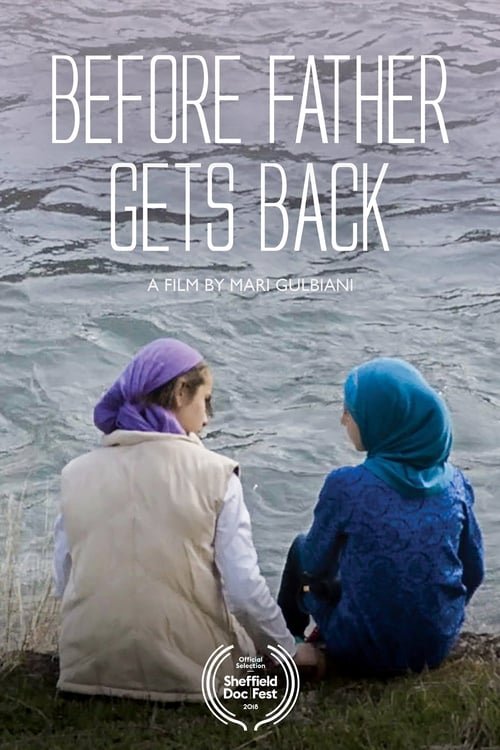
In a darkened classroom, the white cracked walls serve as a movie screen. We are in a remote mountain village in Georgia. The light from the projector breaks the darkness: the children's first cinematic experience is about to begin. Among the kids are Iman and Eva, two Muslim girls, for whom the experience becomes a turning point and inspires them to pick up a camera and start filming their daily lives. The girls are growing up in a valley infested by radicalism, where most people live in constant fear that their relatives will sacrifice their lives in the name of God.
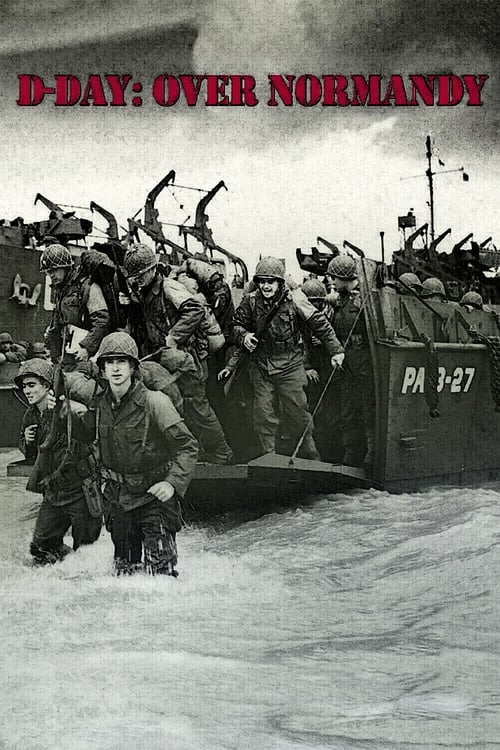
Narrated by the only 5-time Super Bowl winning head coach in NFL history, the New England Patriots Bill Belichick. The World War II Foundation hired one of France's top aerial Drone camera companies to film some of the most iconic locations in Normandy from D-Day. The result is some of the most spectacular scenes of the landing beaches and battlefields viewers have ever seen.
At a time when French flags are being burned and French embassies targeted, this documentary delves into the growing disaffection between French-speaking Africa and the former colonial power. Through the voices of African leaders, pan-African activists, and committed young people, the film questions the persistence of a relationship marked by the aftermath of colonization, the opaque agreements of "Françafrique," and a military presence deemed paternalistic.
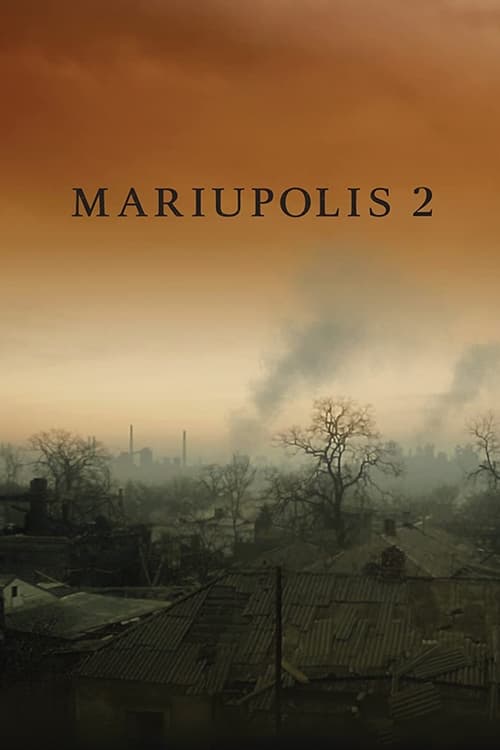
In 2022, Mantas Kvedaravičius went back to Ukraine, Mariupol, at the heart of the war, to be with the people he had met and filmed in 2015. Following his death, his producers and collaborators have put all their strength into continuing transmitting his work, his vision and his films. Also a PhD in anthropology, Mantas Kvedaravičius wished to testify as a filmmaker as far as possible from the agitation of the media and the politicians. With huge force and sensitivity, Mariupolis 2 depicts life as it continues amidst the bombing and reveals images that convey both tragedy and hope.
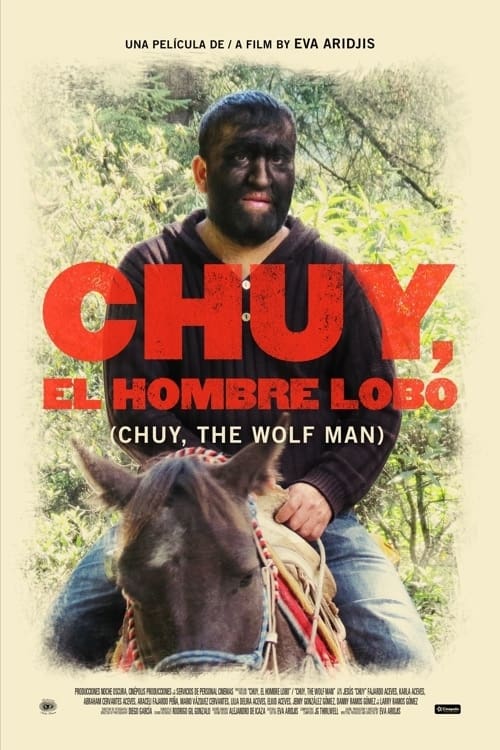
Jesus 'Chuy' Aceves and a dozen living members of his extended family suffer from the very rare condition of congenital hypertrichosis, meaning they were born with excessive hair on their faces and bodies. Due to their appearance, they suffer from discrimination in all areas of their lives: the children are made fun of at school and abandoned by their 'non-hairy' parents, and the adults cannot find work unless they choose to exhibit themselves as freaks in circuses. This moving and visually arresting documentary is a portrait of Chuy and his family members. It examines their day-to-day lives and their struggle to find love, acceptance and employment.
The different life paths of former girlfriends from Catholic and Protestant homes respectively - one a draftswoman, the other a chemical laboratory technician - in two interrelated films, in which love, like the demands and attitudes to life in the change of its foundations in the process of the decline of the GDR and its accession to the Federal Republic of Germany, play a special role.