No Cast found.
No Trailers found.
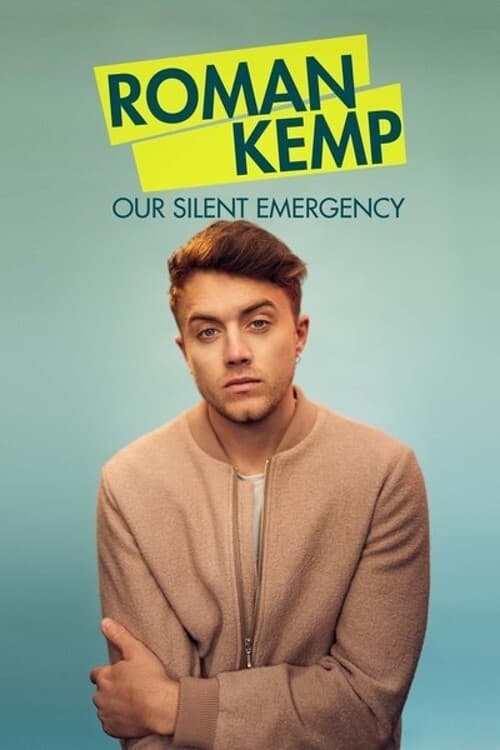
Roman Kemp: Our Silent Emergency is a deeply personal and candid film following Roman as he explores the mental health and suicide crisis affecting young men in the UK.
A story of Delphine, a girl who committed suicide.
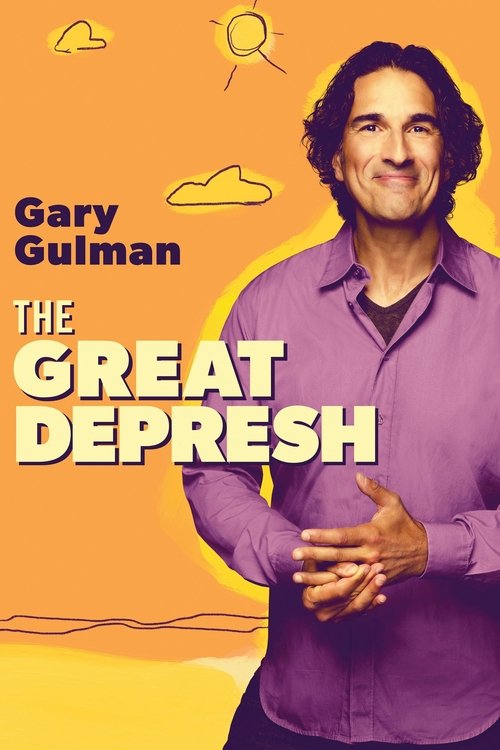
In his first HBO comedy special, Gary Gulman offers candid reflections on his struggles with depression through stand-up and short documentary interludes. While speaking to issues of mental health, Gulman also offers his observations on a number of topics, including his admiration for Millennial attitudes toward bullying, the intersection of masculinity and sports, and how his mother's voice is always in his head.
More than 50% of transgender boys have attempted suicide. Through two life stories, directors Lexie and Logan unravel why their community is particularly vulnerable to living and dying quietly.
No overview available.
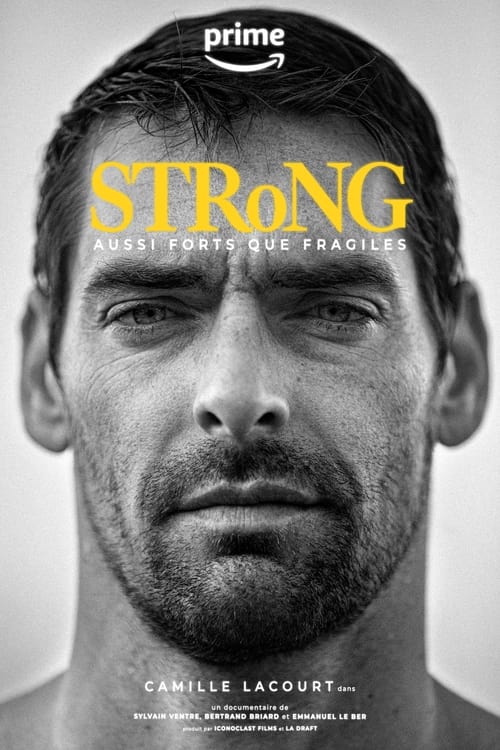
Discover STRoNG, as strong as they are fragile, a new documentary which takes a modest look at mental health and depression in high-level sport through the testimonies of surfer Jérémy Florès, swimmer Camille Lacourt, skier Perrine Laffont, handball player Valentin Porte and fencer Ysaora Thibus.
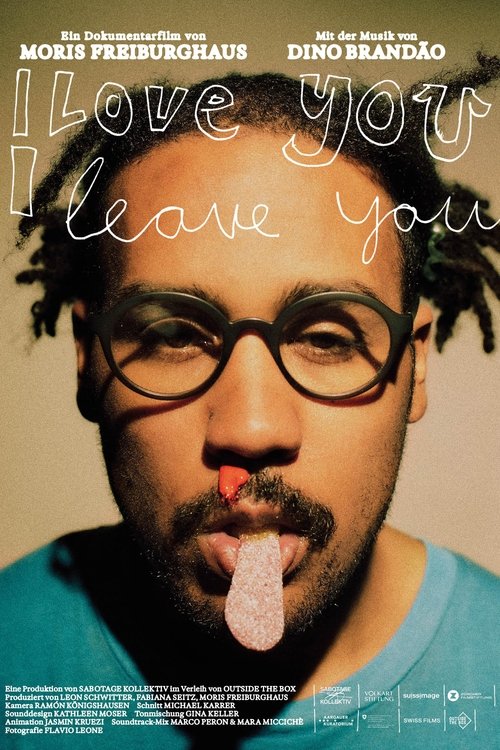
After more than twenty years, Swiss musician Dino Brandão travels to Angola to give a concert in his father's home country. Confronted with his family's past and questions about his own identity, Dino is triggered into a manic episode.
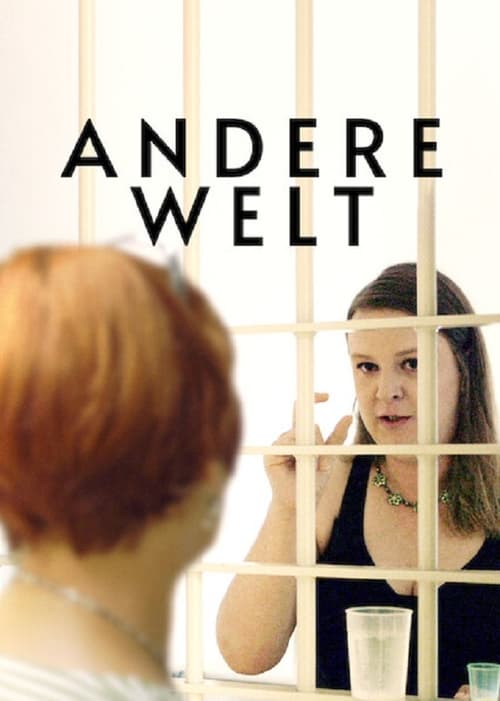
It offers a nuanced look at life in the women's ward of a psychiatric clinic, where most patients have been convicted of a crime.
We are in a room where people tell each other experiences that are not actually told to each other. These are experiences that they have had themselves and experiences of people who are very close to them. It's about fear and violence. It's about families that are destroyed. It is about existence.
How many imaginary deathly diseases can you have before you die from fear and anxiety? This short documentary answers this question by trying to show the surreal world its protagonists are living in.
Traces the life and mental illness of New York artist and photographer Ruth Litoff, and her sister's struggle to come to terms with her tragic suicide.
Filmmaker Stephen Hosier takes a journey with Richard Csanyi, his childhood friend, as he investigates the life and death of his twin brother Attila, who was found dead on a rooftop in 2020.
Four voices intertwine in a testimonial journey through the Santiago subway, confronting what society prefers to keep underground in its stations. A journey of reconstruction — from memory and experience — that explores the invisible trace these events have left on their lives.
Mindfulness is the art of simply being present. From Oprah to Phil Jackson to Anderson Cooper, it's an art practiced by some of the world's most successful people. Brought to the west by Zen Buddhist Monk Thich Nhat Hanh, who was once nominated for a Nobel Peace Prize by Dr. Martin Luther King Jr., mindfulness has recently gained mainstream popularity in both the media and in mental health treatment. This film features insights from Deepak Chopra, Thich Nhat Hanh, Sharon Stone, Oliver Stone, Cesar Milan, and many more. Watch it and learn how to embrace mindfulness in your own life!
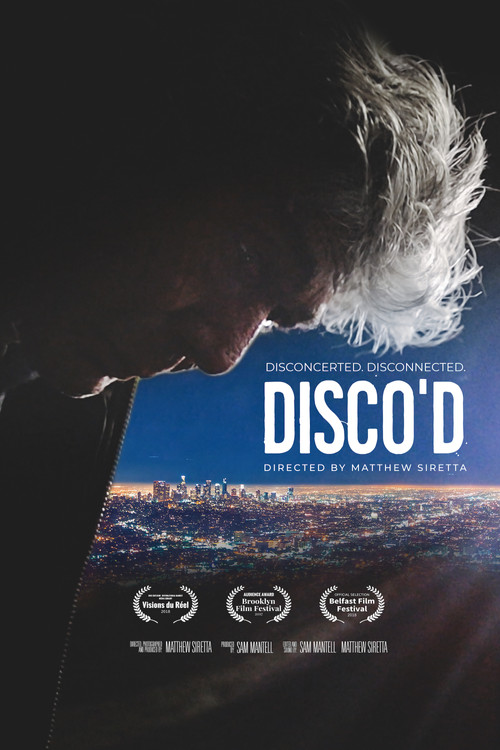
“Set against the rattle of shopping carts and the white noise of L.A. traffic... “Disco’d” is an unvarnished, moving look at the lives affected by the rising crisis of homelessness.” —Los Angeles Times
The first time Regina tried to kill herself, she was 5 years old. Now she's 45 and hell-bent on trying to live.
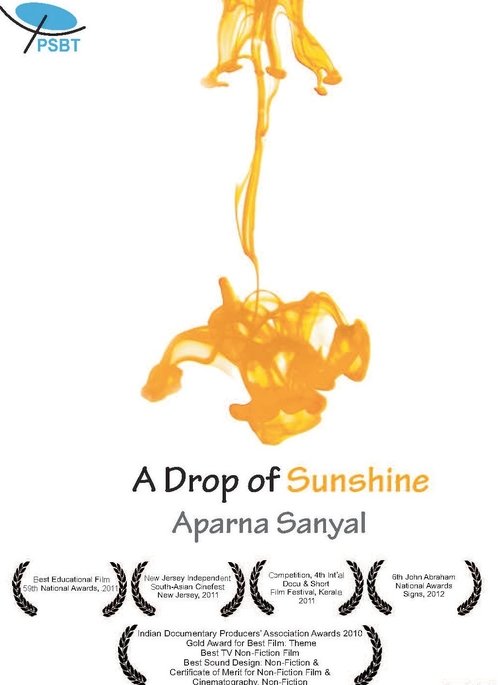
Schizophrenia. It may be one word, but it immediately conjures up multiple connotations. Mad. Incurable. Violent. Suicidal. Chemical imbalances. Crazy. A lifelong condition. Inevitable dependency on Medicines. Dark. Terrible. 'A Drop of Sunshine' challenges these notions. It questions the mainstream view of the condition and seeks alternate ways of recovering from it. Through the powerful story of its young and gutsy protagonist, Reshma Valiappan, it seeks to give viewers a new vocabulary to address the stigmatized mental illness. The film proposes that the only treatment method that can work in Schizophrenia is one where the so-called 'patient' is encouraged and empowered to become an equal partner in the process of healing.
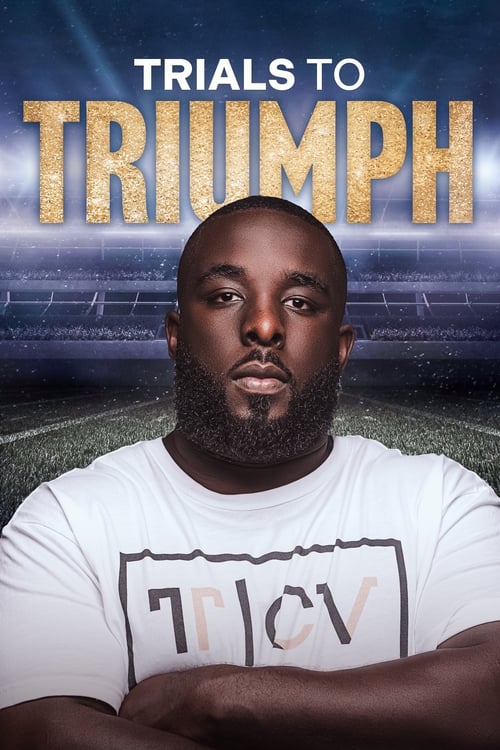
Follows the story of Freddie Stevenson from his meteoric rise through high school and college football to a chaotic life afterwards that led him to reinvent himself and rise up all over again. This documentary connects similar stories of struggle and redemption from motivational speaker Tony Gaskins, "General Hospital" star Maurice Benard, NFL and CFL player Delvin Breaux, and more. These stories are raw and uncut, just as they want to to tell them.