No Cast found.
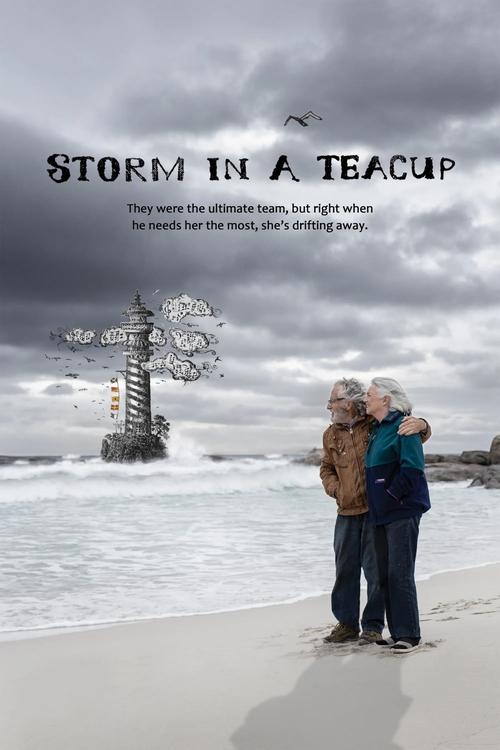
Musician, octogenarian and transgender activist Beverly Glenn-Copeland and his wife navigate the implications of the former’s dementia diagnosis, contemplating high stakes, complex decisions about care and wellbeing while they embark on a mission to preserve his artistic legacy.
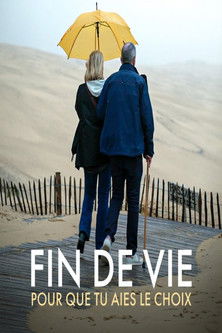
Marina Carrère d'Encausse lifts the veil on the intimate questions that preoccupy her as well as society at large: those related to the end of life. The doctor-journalist introduces Antoine, her partner, who is suffering from Charcot's disease, an incurable illness, and who wishes to choose how he ends his life. Is the current law in France sufficient? Should it simply be better enforced, allowing better access to palliative care? Should assisted suicide and euthanasia be legalized? Marina meets with patients concerned about the end of life, caregivers, and politicians in France, as well as in Belgium, Switzerland, and Canada, countries where euthanasia and assisted suicide are legal.
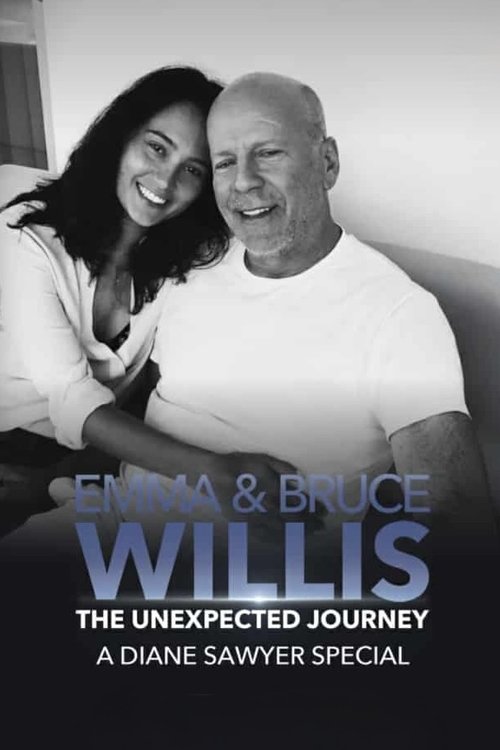
Hosted by Diane Sawyer, the program offers an intimate look at Bruce Willis’s life following his frontotemporal dementia diagnosis, and the strength and advocacy of his wife, Emma Heming Willis.
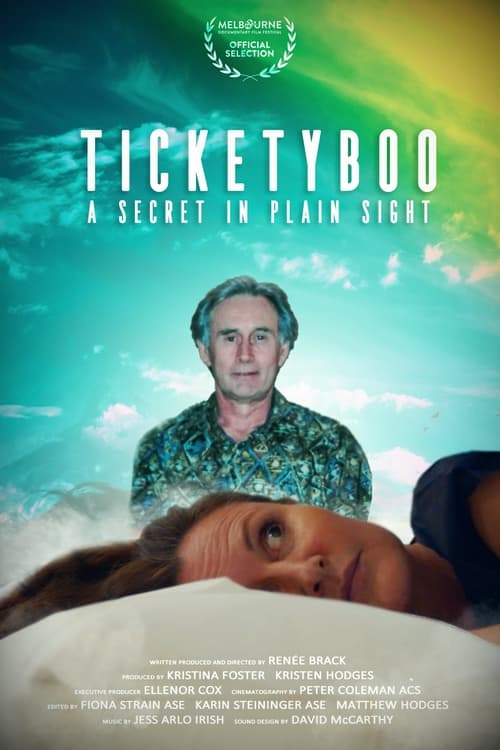
Ticketyboo: a Secret in Plain Sight is an artistic feature documentary exploring the deeply personal struggle of staying connected to a loved one with dementia.
Australian artist Leon Pericles faces his greatest challenge: holding an exhibition of his life's works while facing the mental decline of his wife and collaborator Moira, as Alzheimer's disease turns their world upside down.
No overview available.
Portrait of the birth of a friendship between two men, while one helps the other to die. The acceptance of pain, the sense of humour and the commitment to family and friends, will accompany the virtual chats between Fernando and Eric, who were unable to meet due to the pandemic.
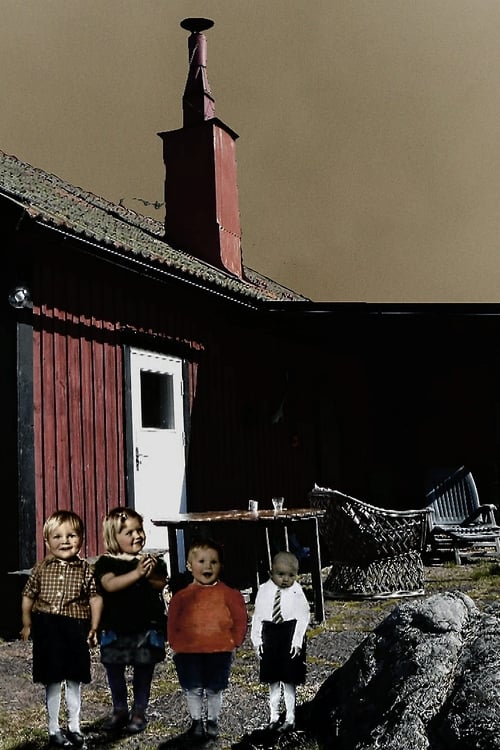
The story about how Britt-Marie took back the brush factory from her husband’s cruel brother at the end of the fifties was one of Malin’s childhood fairy tales. Britt-Marie is now 95 years old and trying to set the story straight with the help of her daughter behind the camera. Together they outline a powerful life story that is slowly fading away.
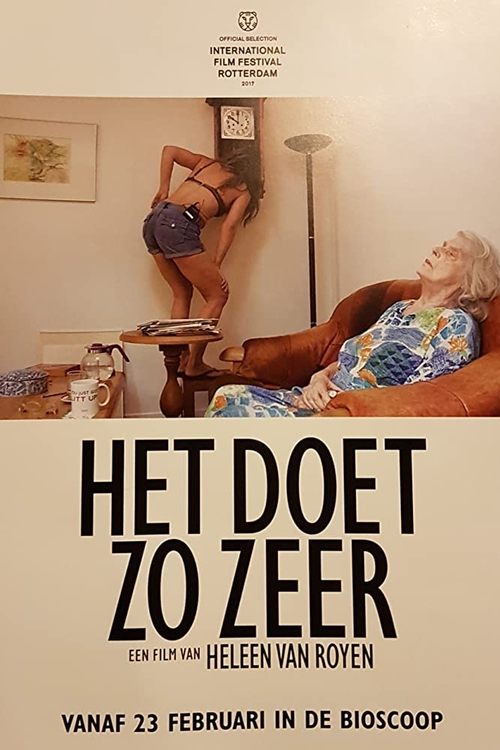
What’s it like to age with early-phase vascular dementia? And how about your loved ones? Successful author Heleen van Royen has taken on caring for her elderly mother and films their frequent meetings. Increasingly, Mrs Breed’s life consists of confusion and unbearable stabbing pains that she tames with a mantra. She regularly refuses help, good advice and a Zimmer frame, although she is also thankful for her committed daughter’s support.
Five million Americans suffer from Alzheimer's disease and dementia—many of them alone in nursing homes. A man with a simple idea discovers that songs embedded deep in memory can ease pain and awaken these fading minds. Joy and life are resuscitated, and our cultural fears over aging are confronted.
In a village in Thailand, Pomm works in a care center for Europeans with Alzheimer's. While she is separated from her children, she helps Elisabeth during the final stages of her life, as Maya, a new patient, is on her way from Switzerland.
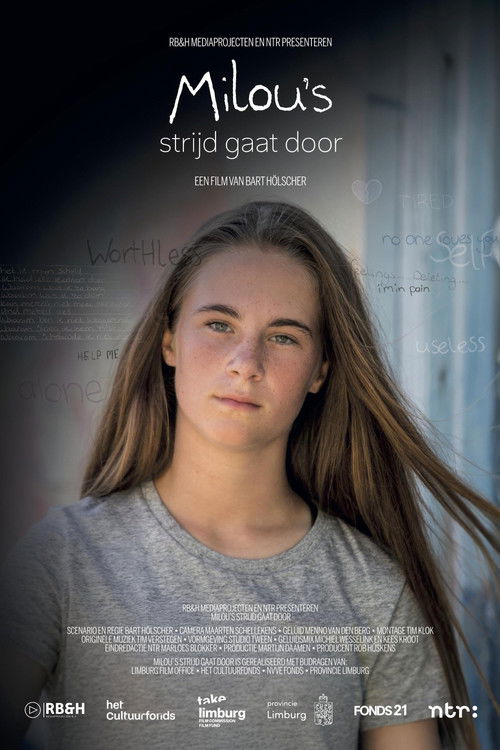
When the cheerful, crazy, fun, and sweet Milou is confronted with multiple traumatic experiences in her early teens, she develops severe flashbacks and serious psychological problems. Everything is tried, but no one can silence the monster in her head. Milou is seventeen when she dies in her mother's arms. Weary, completely exhausted, she is finally allowed to go. Milou is the first minor in the Netherlands to die by euthanasia due to hopeless psychological suffering.
The year’s most spectacular Documentary short films.
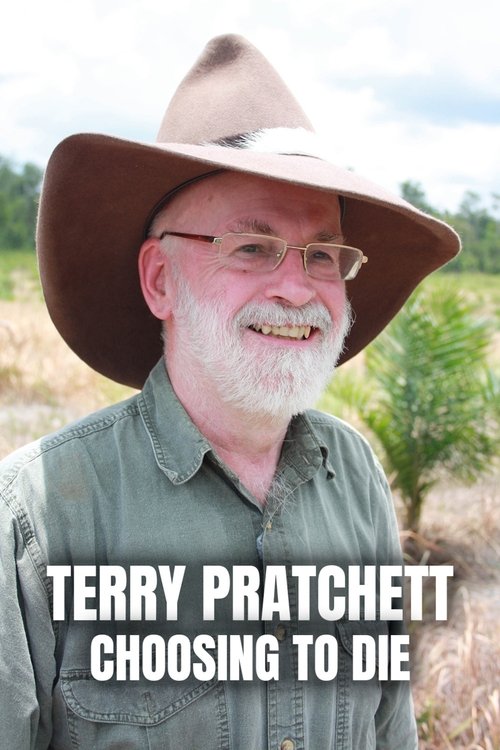
In 2008, celebrated author Sir Terry Pratchett was diagnosed with Alzheimer's disease. Nearly three years on, Pratchett considers ways to end his life before the disease consumes him. His search takes him to Switzerland, where he meets some of the staff and clients of a non-profit organisation that provides assisted suicide to people suffering from severe ailments and terminal illnesses. In a quiet cottage outside Zurich, we—along with Sir Terry—witness a man's final moments with his wife.
Having lost her memory, A. could barely recall glimpses of her childhood in Argentina. After her death, her son visits the empty house for the last time. A sensory journey through a house without objects but filled with memory.
Drawing on the book of the same name, League of Denial crafts a searing two-hour indictment of the National Football League’s decades-long concealment of the link between football related head injuries and brain disorders.
Former football player and wrestler Chris Nowinski's quest to publicize recent findings about the often dire consequences of head concussions sustained by athletes in contact sports — injuries that have previously been considered momentary setbacks and ignored in the name of toughness and dedication to the team.
An animation about the uncertainties in human connections over time, portrayed in an affectionate relationship between a granddaughter and her grandfather with dementia as they grow old together.
An audiovisual representation of the degenerative dementia process based on real reports from people affected with this condition.
No Trailers found.