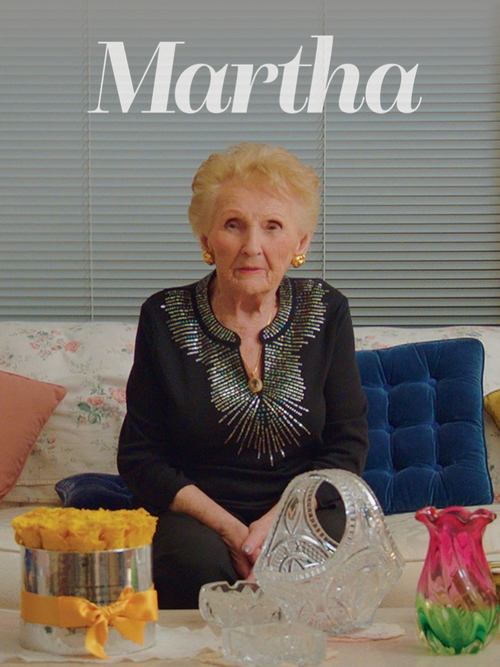
Documentary of Daniel Schubert's grandmother, Martha Katz, a Holocaust survivor.
Slef
Young Martha
Dr. Mengele
Self
Mom
No Trailers found.
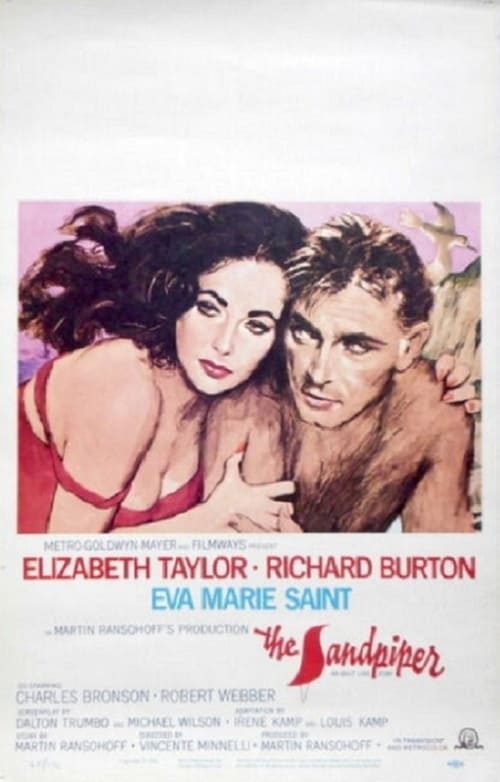
Promotional short for the film "The Sandpiper".
Stanley Kubrick’s debut documentary, following Irish-American middleweight boxer Walter Cartier on April 17, 1950—the day of his bout with Bobby James. The film traces Cartier’s quiet morning rituals, training, and anxious hours before the match, culminating in his swift victory that night in Newark. Opening with a brief history of boxing, Kubrick’s tightly crafted short captures the discipline, isolation, and tension behind a fighter’s daily routine.
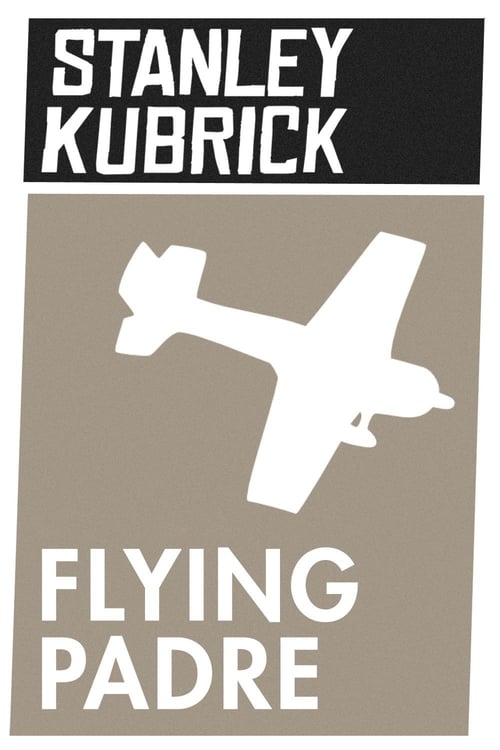
Stanley Kubrick’s short documentary about Father Fred Stadtmueller, a Catholic priest serving a vast 4,000-square-mile parish in rural New Mexico. To reach his scattered congregation, he pilots his own Piper Cub aircraft, the Spirit of St. Joseph. Over two days, Kubrick follows the “flying padre” as he conducts Mass, mediates between quarreling children, attends a funeral, and airlifts a sick child to medical care—capturing both the challenges and quiet heroism of his daily mission.
Why does Doris Dörrie have a bag on her head in the interview? Consistent in the sense that in her works she always poses the question of how we want to be perceived. Dörrie takes us through the most important stages of her life, her films, her work as a mentor and teacher, and also addresses existential themes: Identity, motherhood, her role as a woman. And she talks openly about fears, setbacks and crises, such as the untimely death of her partner and cameraman Helge Weindler. "Shut up and breathe", the advice of a Tibetan lama, carries her through life - even beyond the screen.
Between February and April 2025, filmmakers Bernard-Henri Lévy and Marc Roussel filmed the Pokrovsk and Soumy fronts in eastern Ukraine, following the fighters of the Anne de Kyiv Brigade, armed by France. They filmed the daily lives of the inhabitants, bombarded by Russian forces terrorizing civilians on the eve of possible negotiations. They interview President Zelenskyy, who is reluctant to travel to Washington, and then watch the rebroadcast of the meeting with Ukrainian soldiers in a bunker. For the real heroes are the anonymous fighters and civilians who hold their heads high in the face of adversity and suffering, and who are filmed on a daily basis. The final part of Lévy’s “Ukrainian Quartet”, Our War is a diary, peppered with flashbacks in which the author recalls the high points of this war that began in 2014.
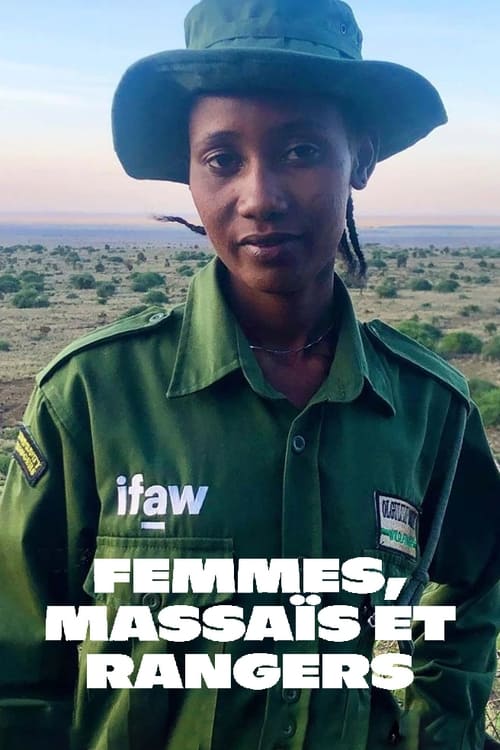
Leah and Purity are rangers in the Kenyan bushland. They roam around Amboseli National Park every day to track down wildlife. The Maasai shepherds also have their villages here. Conflicts can hardly be avoided. The young women are often called to missions to mediate or comfort. The two Maasai women themselves have to fight against discrimination
An elderly Catherine de Medici reflects back on how the prophecies of Nostradamus accurately predicted the fates of her husband, her three sons and herself.
A brief history of the emergence and artistic innovations of tango in 19th-century Argentina and Europe. The film offers a mosaic of tango melodies, art works, dance performances, historical footage, photographs of Buenos Aires at the turn of the 20th century, and texts by Celedonio Flores and Enrique Santos Discépolo.
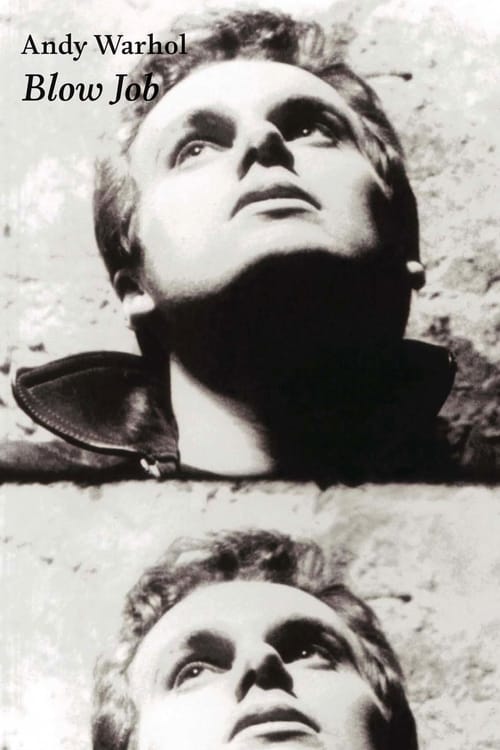
Andy Warhol directs a single 35-minute shot of a man's face to capture his facial expressions as he receives the sexual act depicted in the title.
A place with stairs, but that leads to walls. A place with lots of space, but no one fights for it. And a place with lots of owners, but so empty that no one wants to enter.
Belfast-born actor Stephen Rea explores the impact of Brexit and the uncertainty of the future of the Irish border in a short film written by Clare Dwyer Hogg.
Creates a reorientation of vision in a union of sights and sounds which suggest a different way of appreciating and understanding the fundamental integrity of experience.
Starring Sigmund Freud is a video memento for Sigmund Freud's little-known film career. Based on an essay John Menick published in Frieze in 2011, the video collects the dozens of appearances that the character of Sigmund Freud has made on small and big screens. After the 1950s, when pill vials replaced analytic couches, the father of psychoanalysis found a second career impersonating himself in everything from a John Huston clunker to a Star Trek episode. The video suggests that maybe it is in front of the camera, alongside surgically enhanced starlets and CGI chimeras, that “Herr Doktor” will find his final resting place. This video was produced by the Kadist Foundation and commissioned by dOCUMENTA (13).
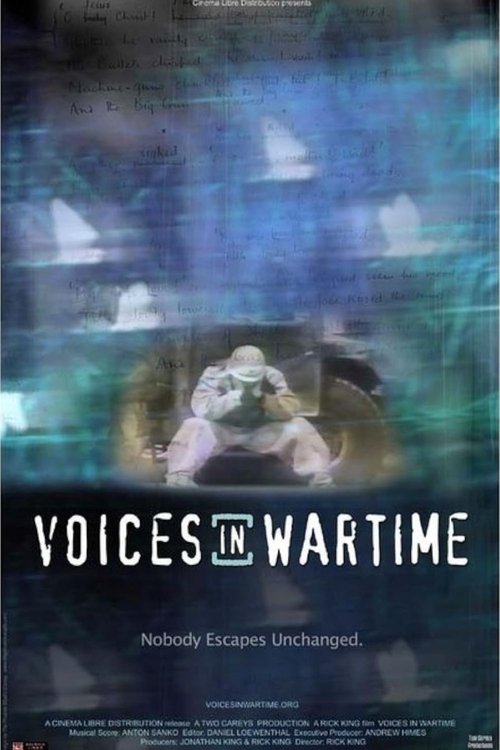
Voices in Wartime is a 2004 documentary that explores the human experience of war through poetry. Combining interviews with soldiers, journalists, and historians, it reveals how war affects individuals and societies across time and place. The film features poets from around the world – from Homer and Wilfred Owen to Shoda Shinoe and modern writers in Iraq and Nigeria – showing how poetry expresses the pain, trauma, and truth of conflict. By linking verse with real-life accounts, Voices in Wartime highlights how poetry helps us understand the emotional and moral impact of war.
A feature documentary about Ohio-based artist Sparks McFly and his friends as they attempt to conceptualize, write, record, and produce a rap album over the course of just 7 days.
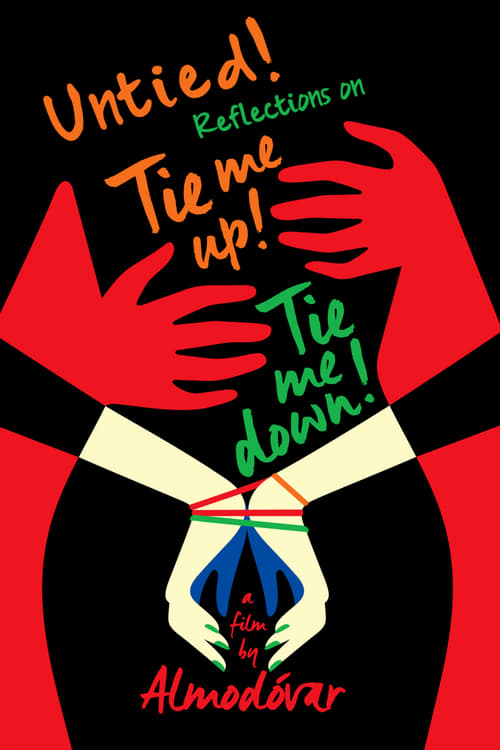
Produced in 2014, this documentary about the making of TIE ME UP! TIE ME DOWN! features interviews with director Pedro Almodóvar; actors Antonio Banderas, Victoria Abril, Loles León, and Rossy de Palma; producer Agustín Almodóvar; production manager Esther García; and cinematographer José Luis Alcaine.
A filmmaker’s meditation on loss and grief. A digital eulogy and swan song to his creative partner and best friend. Mixed media woven into the fading daydream of their time together.
People from different ethnic backgrounds with "difficult" names by Western standards share their experience with moving through the world with an identity that challenges others to simply just say their name. A short social docu-film by Mariam Meliksetyan, “Say My Name” is a meditation on identity, otherness, assimilation, community, and ancestral roots.
A young woman grapples with the declining health of her beloved dog in this film about mortality, cloning, and Barbra Streisand.
Solarmax is a 40-minute giant-screen documentary that tells the story of humankind's struggle to understand the sun. The film will take audiences on an incredible voyage from pre-history to the leading edge of today's contemporary solar science.