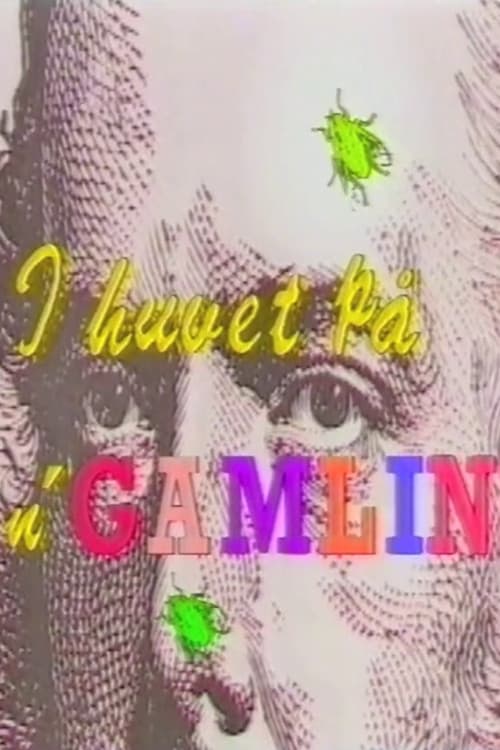
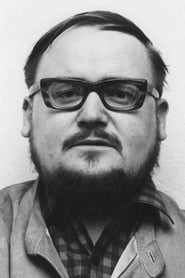
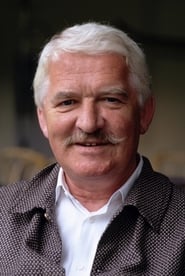
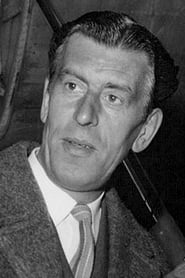
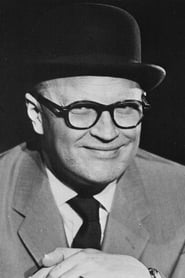
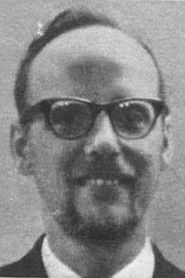
Documentary about the Swedish humorist, film maker and artist Yngve Gamlin
Self
Self (archive footage)
No Trailers found.
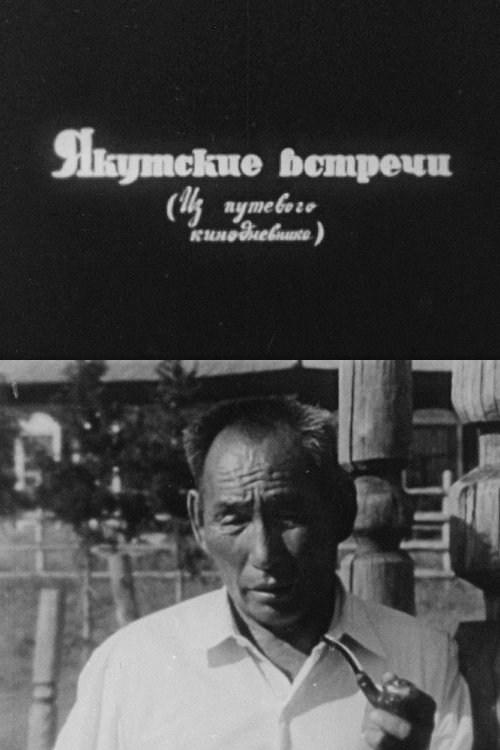
Taking the form of a travel diary of a television journalist, this documentary tells about the life and work of the people of Yakutia: pilots, artists, drivers, and reindeer herders.
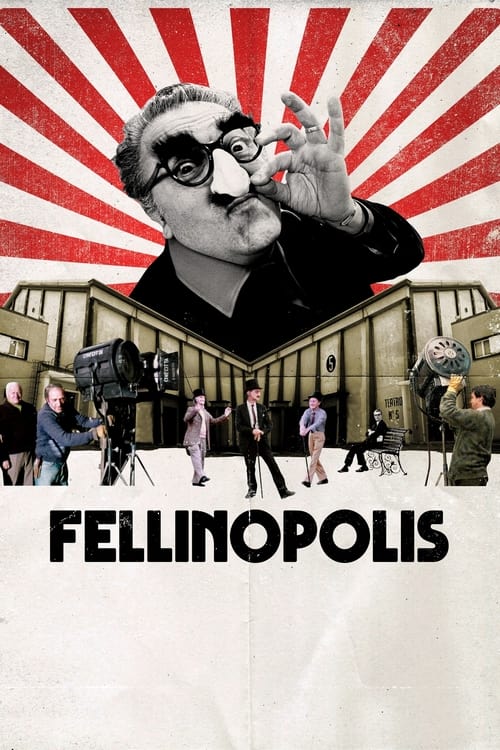
Ferruccio Castronuovo was the only authorized eye, between 1976 and 1986, to film the brilliant Italian filmmaker Federico Fellini (1920-1993) in his personal and creative intimacy, to capture the gears of his great circus, his fantastic lies and his crazy inventions.
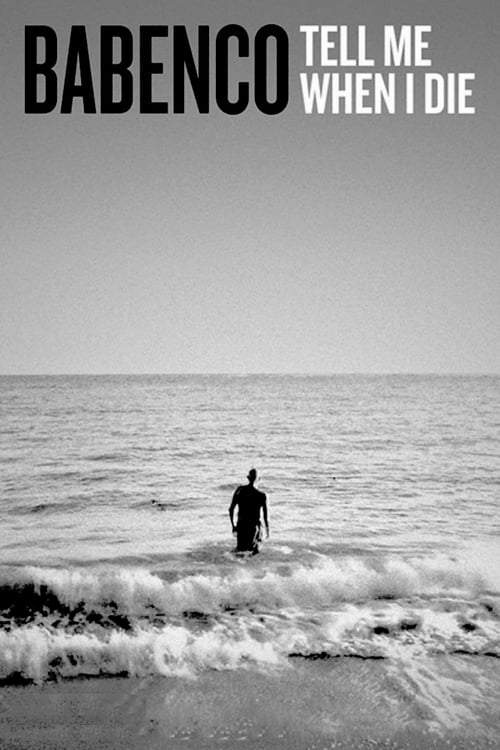
Besieged by cancer and nearing the end, the genius Argentine-Brazilian filmmaker Héctor Babenco (1946-2016) asks Bárbara Paz, his wife, for one last wish: to be the protagonist of his own death.
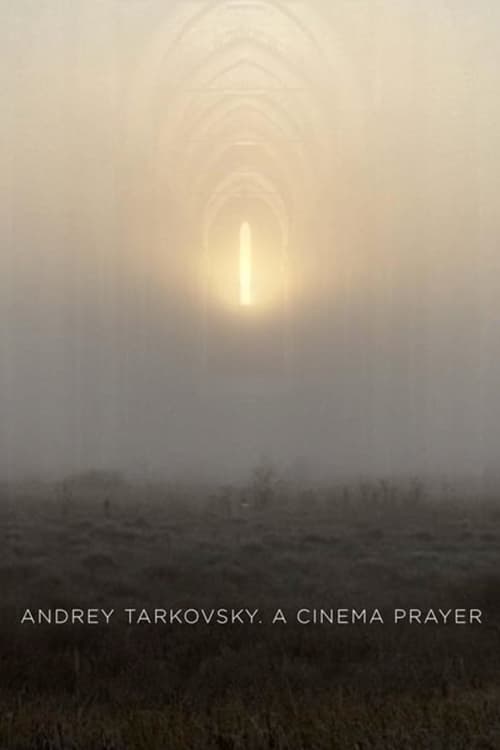
An account of the life and work of Russian filmmaker Andrey Tarkovsky (1932-86) in his own words: his memories, his vision of art and his reflections on the fate of the artist and the meaning of human existence; through extremely rare audio recordings that allow a complete understanding of his inner life and the mysterious world existing behind his complex cinematic imagery.
A program made for Kultura on the life and career of Larisa Shepitko.
A program on the relationship between the filmmaking couple Larisa Sheptiko and Elim Klimov.
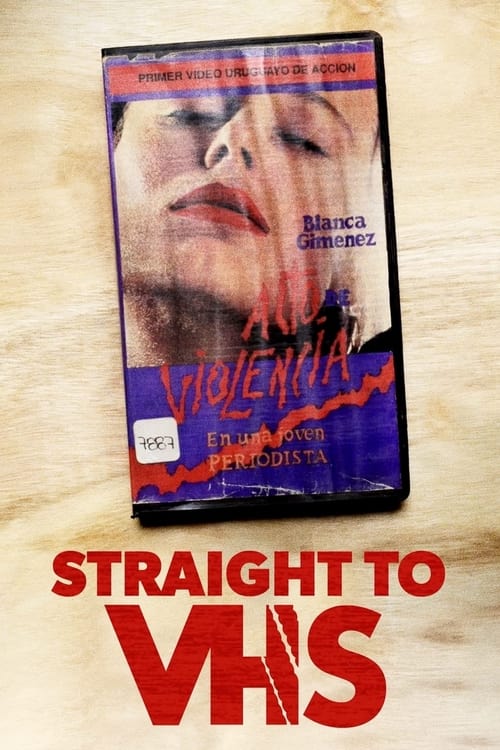
Act of Violence Upon a Young Journalist is a film shot in 1988 and released on VHS in 1989; a mysterious cult work of Uruguayan cinema surrounded by strange theories about Manuel Lamas, its unknown creator. Until now.
An up-close look into the life of the often misunderstood movie director Grigori Kromanov through the lens of old friends and colleagues.
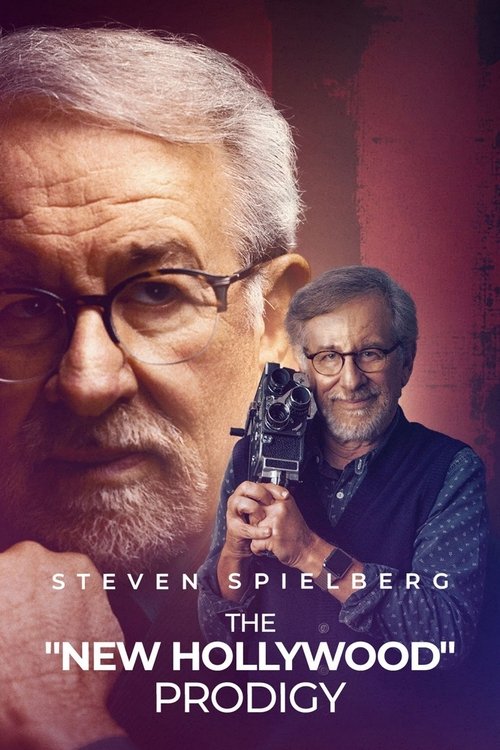
A new light on American filmmaker Steven Spielberg, Hollywood’s greatest director, offering a unique perspective on his work and digging into his personal influences.
For more than 40 years Kathryn Bigelow has been making films that explore male violence. With movies like Blue Steel, Point Break, The Hurt Locker and Zero Dark Thirty, the Oscar winning American filmmaker has impressed with hard-hitting moviemaking that holds a mirror up to contemporary America and the world.
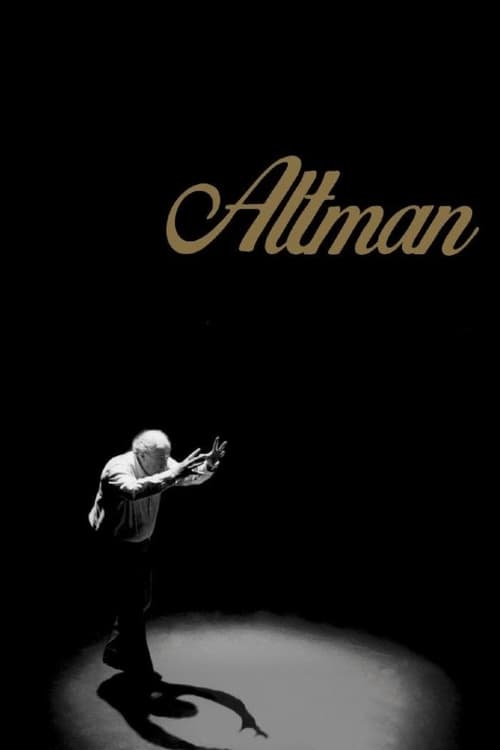
Robert Altman's life and career contained multitudes. This father of American independent cinema left an indelible mark, not merely on the evolution of his art form, but also on the western zeitgeist. With its use of rare interviews, representative film clips, archival images, and musings from his family and most recognizable collaborators, Altman is a dynamic and heartfelt mediation on an artist whose expression, passion and appetite knew few bounds.
Documents the race riot of 1921 and the destruction of the African-American community of Greenwood in Tulsa, Oklahoma. With testimony by eyewitnesses and background accounts by historians.
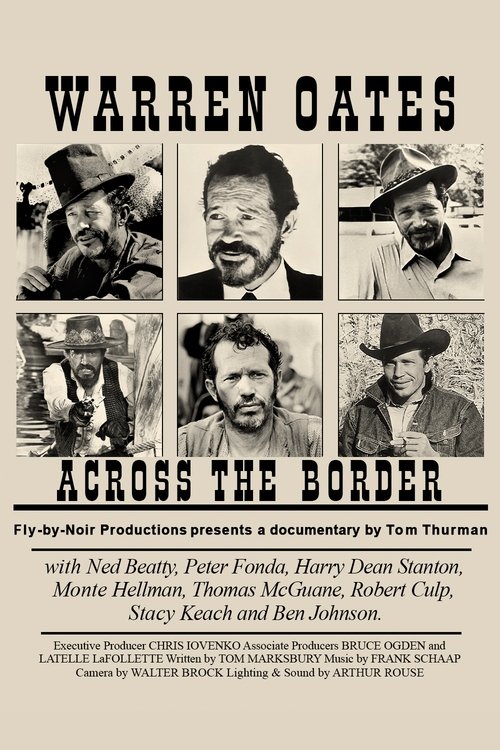
A retrospective of the work of the late actor Warren Oates, with clips from his films and interviews with cast and crew members who worked with him.
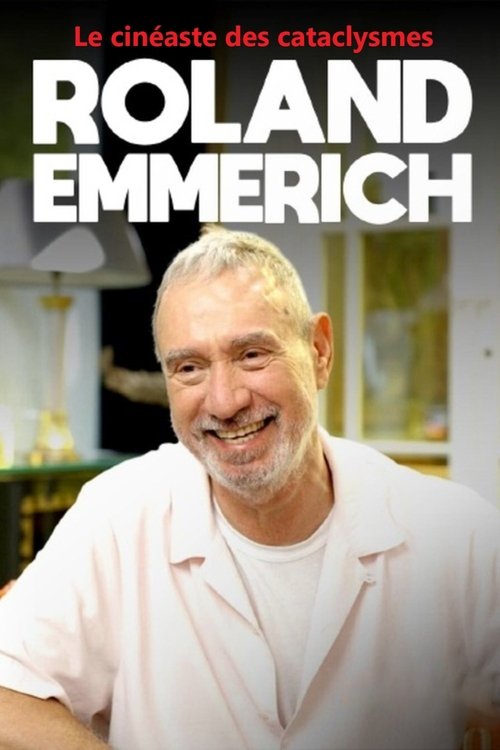
Roland Emmerich himself and many of his companions provide insights into his life. With films such as Independence Day, 2012, and The Day After Tomorrow, he probably became the most successful director of disaster movies. But there were also failures.
A journey through the professional life of innovative film director Richard Linklater: 21 years creating films, carving his signature in pop culture; an analysis of his style and motivations, through the funny and moving testimonies of close friends and collaborators, actors and other filmmakers.
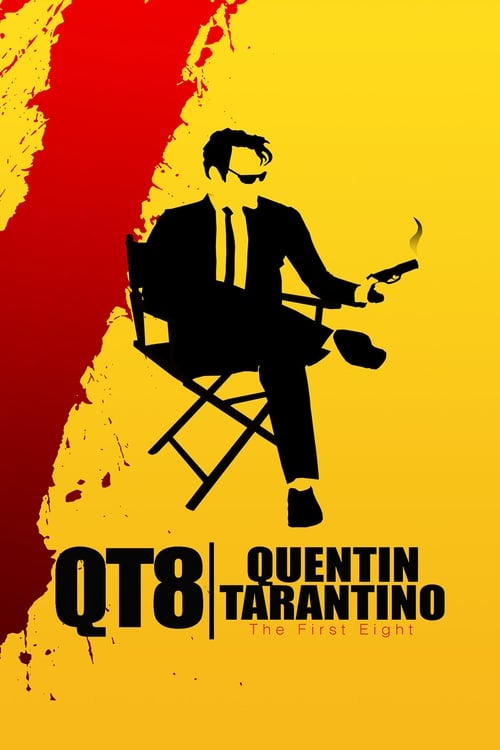
A detailed account of the life and artistic career of legendary filmmaker Quentin Tarantino, from his early days as a video club manager to the scandalous fall in disgrace of producer Harvey Weinstein. A story about how to shoot eight great movies and become an icon of modern pop culture.
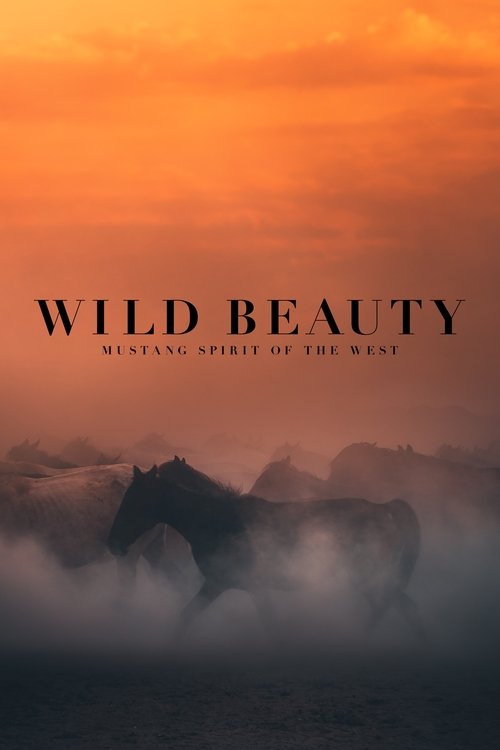
An immersive journey into the world of wild horses, Wild Beauty illuminates both the profound beauty, and desperate plight faced by the wild horses in the Western United States. Filmmaker Ashley Avis and crew go on a multi-year expedition to uncover the truth in hopes to protect them, before wild horses disappear forever.
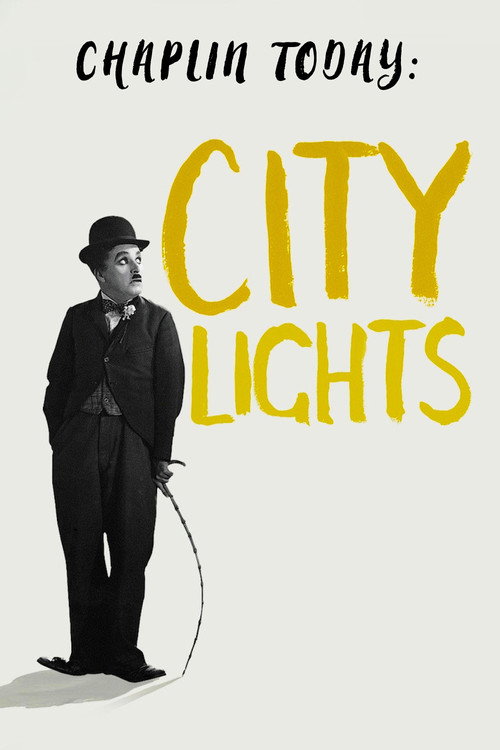
In 1928, as the talkies threw the film industry and film language into turmoil, Chaplin decided that his Tramp character would not be heard. City Lights would not be a talking picture, but it would have a soundtrack. Chaplin personally composed a musical score and sound effects for the picture. With Peter Lord, the famous co-creator of Chicken Run and Wallace & Gromit, we see how Chaplin became the king of slapstick comedy and the superstar of the movies.
Claude Lelouch was a Jewish child in occupied France. In this documentary, he talks about the trauma he still feels from that experience, but also how it inspired him to become a filmmaker. The 1940s appear to be a formative period, key to understanding the work and career of this famous director, whose films and life have always been inseparable.
A documentary about the rise and fall of the Cannon Film Group, the legendary independent film company helmed by Israeli cousins Menahem Golan and Yoram Globus.