A documentary about the making of Joe Cash's last directorial feature film Carnal Redemption, showcasing the behind the scenes, the preproduction hell of the film and the mayhem which goes into a Joe Cash film.
A chronicle of the production problems — including bad weather, actors' health, war near the filming locations, and more — which plagued the filming of Apocalypse Now, increasing costs and nearly destroying the life and career of Francis Ford Coppola.
Narrated by historian, critic and filmmaker Elvis Mitchell, this documentary reflects the development of the iconic filmmaker's signature style, through the making of one of his benchmark films, Blackmail. The documentary highlights the birth of the "Hitchcock Touch" at a period when talking pictures first emerged and explores his trademark themes, like such as murder, suspense and cool blondes. While focusing on Blackmail, the documentary reveals how this film also foreshadows the director's later masterpieces, from Psycho to North by Northwest and from The Birds to Frenzy.
Documentary about the making of Disney's animated musical adaptation of Kipling's classic.
Besieged by cancer and nearing the end, the genius Argentine-Brazilian filmmaker Héctor Babenco (1946-2016) asks Bárbara Paz, his wife, for one last wish: to be the protagonist of his own death.
An account of the life and work of Russian filmmaker Andrey Tarkovsky (1932-86) in his own words: his memories, his vision of art and his reflections on the fate of the artist and the meaning of human existence; through extremely rare audio recordings that allow a complete understanding of his inner life and the mysterious world existing behind his complex cinematic imagery.
Making-of DVD for a film of tokusatsu series "Kamen Rider Gaim" starting to be shown at theaters from July 2014. Includes a documentary of the shooting scenery and interviews with staff and cast. Was included as a Bonus disc with Blu-ray version of the film. Complete recording of the filming site of the movie that you can't miss!/Full recording of the filming site of "Theatrical version Kamen Rider Gaim Soccer Great Decisive Battle! Golden Fruit Scramble!" released in July 2014! and interviews with guest cast members such as Masafumi Nakayama and Ainosuke Kataoka!! / Release the making video that will definitely make the movie more interesting than anywhere else!
Via reminiscences from writer/actor Gene Wilder and others, this documentary recalls the making of the 1974 film Young Frankenstein.
Behind the scenes of the filming of a film on climbing a cliff by Patrick Berhault and Georges Unia on the parishes of the route "La Tête de Chien" in Monaco. Director Laurent Chevallier explains the difficulties of filming at height, the kind of shots that are suitable and the specifications of equipment suitable for filming on a cliff.
Act of Violence Upon a Young Journalist is a film shot in 1988 and released on VHS in 1989; a mysterious cult work of Uruguayan cinema surrounded by strange theories about Manuel Lamas, its unknown creator. Until now.
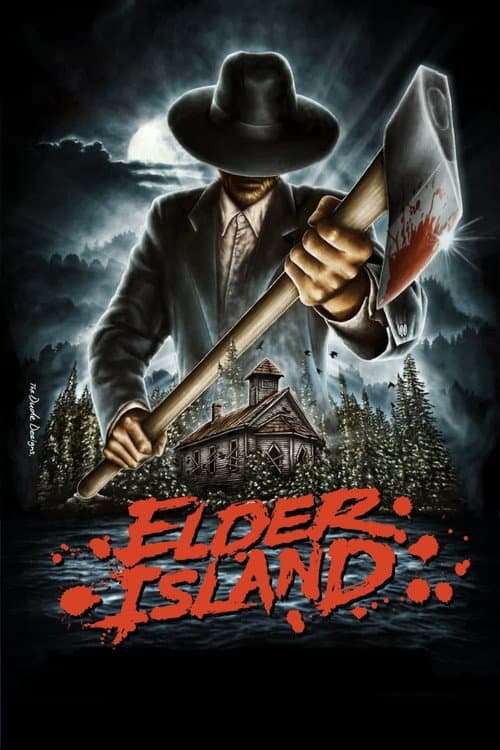
Based on the true events revolving around Beaver Island, Michigan and King James Strang--Elder Island, 1856. Peter Wiggenstein turned to the men of the five island families around him and warned: "Tell nothing of this" as the men all looked at the body of their former Reverend--gunned down just outside his own home--and a decision was made. They secretly buried the body on Graves Island, and the reign of America's first and only king ended; but for every end, there is always a new beginning, for an evil was born that night. Five families have always controlled the Island. Five families share the Island's fortune; five families share its curse.
A documentary about Tim Burton's iconic 1988 fantasy comedy Beetlejuice, covering all the aspects of production: from filming in East Corinth, Vermont, to the stop-motion and special effects work, as well as a series of exclusive interviews and rare behind the scenes archives.
Cary Elwes (Dr Gordon), writer/actor Leigh Whannell, director James Wan, Tobin Bell (Jigsaw) and the producers give insights on how Saw (2004) came together and the limitations they faced with time and budget.
Eccentric, outspoken, and unfiltered TV and low budget film director Josh Becker struggles to emerge from the shadow of his work on "The Evil Dead", "Xena", the careers of his more successful colleagues, depression and alcoholism to fulfill his lifelong ambition of creating high quality, successful films.
The first half is a salute to John Wesley Powell, the first man to explore the Colorado River. Walt Disney presents a behind-the-scenes look at the filming of Ten Who Dared on the same waters. Then the True-Life Adventure Featurette: Bear Country is shown.
A high ranking senior officer is debriefed on a top secret program.
Documentary about the making of Juzo Itami's film "Tampopo" (1985).
A documentary look at the 'making of' and cult success of the troubled Lou Adler directed film "Ladies And Gentlemen The Fabulous Stains" starring Diane Lane.
This documentary captures the sounds and images of a nearly forgotten era in film history when African American filmmakers and studios created “race movies” exclusively for black audiences. The best of these films attempted to counter the demeaning stereotypes of black Americans prevalent in the popular culture of the day. About 500 films were produced, yet only about 100 still exist. Filmmaking pioneers like Oscar Micheaux, the Noble brothers, and Spencer Williams, Jr. left a lasting influence on black filmmakers, and inspired generations of audiences who finally saw their own lives reflected on the silver screen.
La Galère des Étoiles follows the making of Les Aventures du Nexus VI, directed by the Fensch Toast collective. From the creators' early beginnings to the challenges of independent production, the documentary highlights limited resources, demanding visual effects, and long hours of work - but also the solidarity and creativity that kept the project alive. It concludes with the realization of an ambitious sci-fi film driven by passion and audience anticipation.
A New York University professor returns from a rescue mission to the Amazon rainforest with the footage shot by a lost team of documentarians who were making a film about the area's local cannibal tribes.
No Trailers found.