This documentary analyzes why Dia de Los Muertos (the day of the dead) is considered one of the Mexican tradition's most important cultural phenomenons.
No Trailers found.
No Cast found.
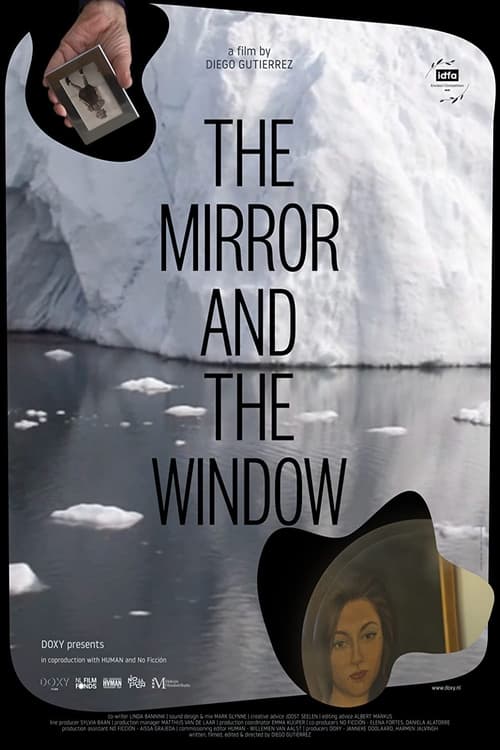
Filmmaker Diego Gutiérrez knows that he is soon to lose two loved ones: his mother Gina Coppe and his best friend Danniel Danniel. Both ask him to film them during this final phase of their lives—Gina in her apartment in Mexico City, Danniel in a Dutch restaurant where he feels at home. What stories do they want to leave behind?
A doctor's efforts to live a green life near the Appalachian Mountains lead to the development of a radical idea to use green burials to conserve one million acres of land and to create wildlife reserves.
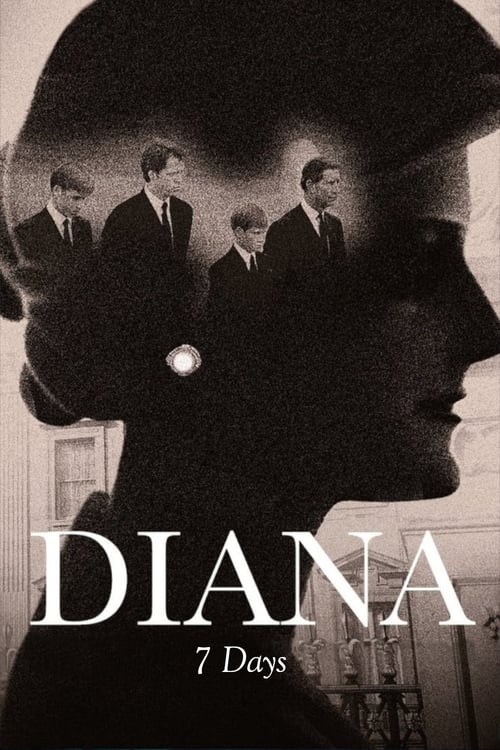
In August 1997, the tragic death of Diana, Princess of Wales, stunned her family and catapulted the British public into one of the most extraordinary weeks in modern history. What was it about Diana that resulted in such an outpouring of grief? And what does that week reveal about Britain's relationship with the monarchy, then and now?
Parallel stories connected through an intimacy with death. The living and the dead communicate through visions, memories and reality.
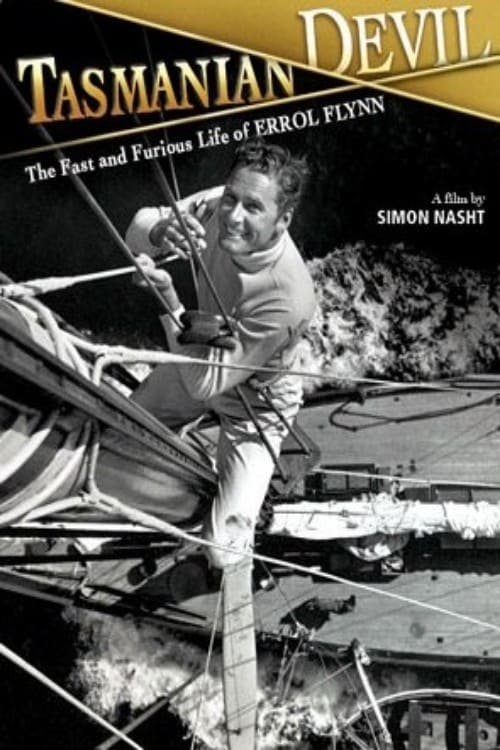
The story of Tasmanian-born actor Errol Flynn whose short & flamboyant life, full of scandals, adventures, loves and excess was largely played out in front of the camera - either making movies or filling the newsreels and gossip magazines. Tragically he was dead from the effects of drugs and alcohol by the time he was only 50 & the myths live on. But there is another side of Flynn that is less well known - his ambitions to be a serious writer and newspaper correspondent, his documentary films and his interest in the Spanish Civil War and Castro's Cuba
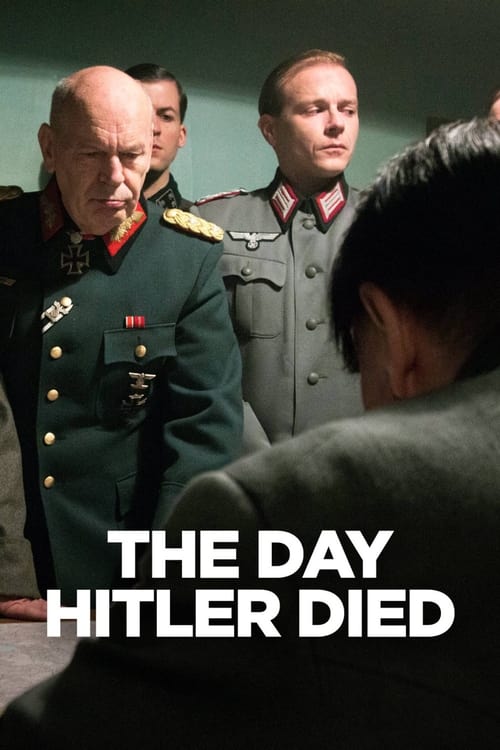
The story of Hitler’s final hours told by people who were there. This special features exclusive forgotten interviews, believed lost for 65 years, with members of Hitler’s inner circle who were trapped with him in his bunker as the Russians fought to take Berlin. These unique interviews from figures such as the leader of the Hitler Youth Artur Axmann and Hitler’s secretary Traudl Junge, have never before been seen outside Germany. Using rarely seen archive footage and dramatic reconstruction, this special tells the story of Adolf Hitler’s final days in his Berlin bunker.
My Flesh and Blood is a 2003 documentary film by Jonathan Karsh chronicling a year in the life of the Tom family. The Tom family is notable as the mother, Susan, adopted eleven children, most of whom had serious disabilities or diseases. The film itself is notable for handling the sensitive subject matter in an unsentimental way that is more uplifting than one might expect.
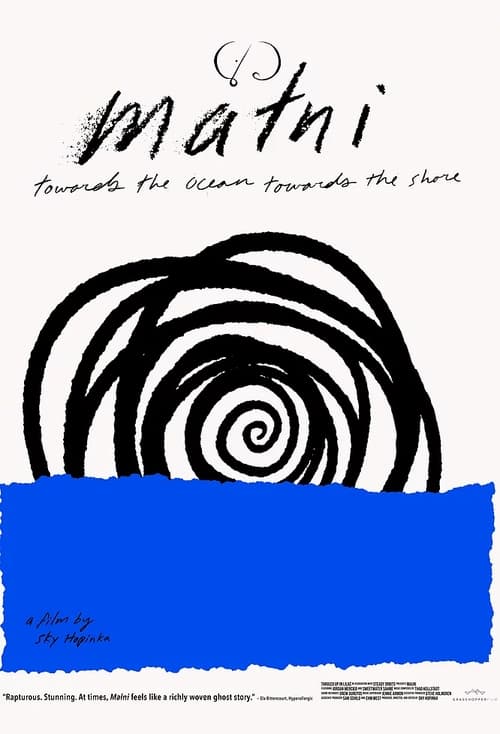
An experimental look at the origin of the death myth of the Chinookan people in the Pacific Northwest, following two people as they navigate their own relationships to the spirit world and a place in between life and death.
Since 2007, dozens of young people have been found hanged in Bridgend, a town in southern Wales. Many of them knew one another-they were friends, neighbors, and family. The striking similarities between their deaths have confounded authorities and struck fear into the hearts of parents. Headlines splashed across the UK earned Bridgend its infamous nickname: ""Death Town."
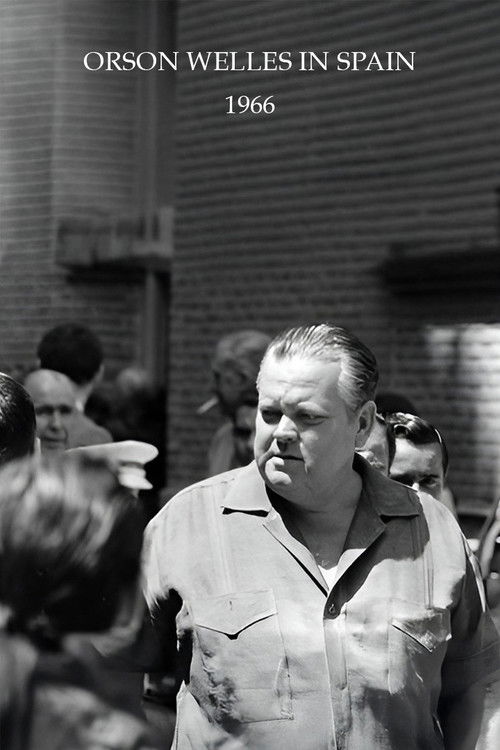
Orson Welles presents a proposed film project to prospective investors in Spain. Speaking to an audience of wealthy arts patrons, Welles outlines his vision for an improvised, documentary-style fiction set in the world of bullfighting, centered on a solitary, existential matador who stands apart from his peers. As he expounds on cinema, performance, and the ritualized spectacle of death, the film captures a project that would ultimately remain unrealized.
An ode to stillness, in the form of an experimental documentary miniature, inspired by Vitosha mountain and Sofia
As the muse of Hal Hartley’s indie classics and as writer/director of the critically acclaimed Waitress, Adrienne Shelly was a shining star in the indie film firmament. A devoted young mother, her life was right on track until her husband found her dead. Filmmaker Andy Ostroy has been fighting to discover the truth about his wife’s death ever since.
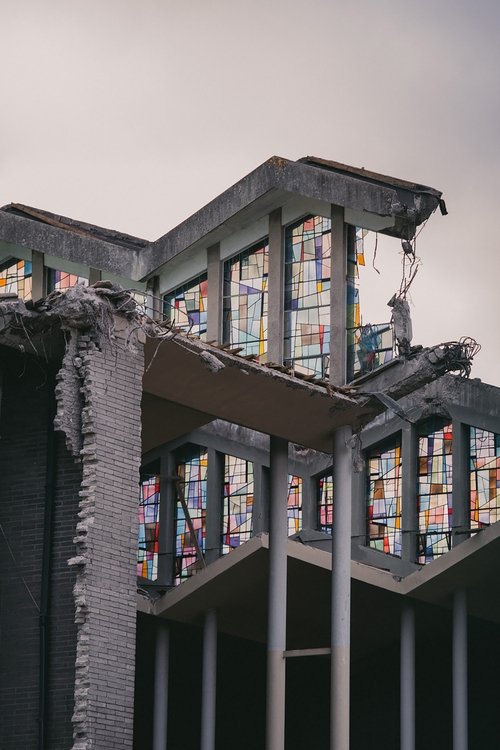
Making Dust is an essay film, a portrait of the demolition of Ireland's second largest Catholic Church, the Church of the Annunciation in Finglas West, Dublin. Understanding this moment as a 'rupture', the film maps an essay by architectural historian Ellen Rowley on to documentation of the building's dismantling. Featuring oral interviews recorded at the site of the demolition and in a nearby hairdressers, the film invites viewers to pause and reflect on this ending alongside the community of the building. The film is informed by Ultimology, and invites its audience to think about the life cycles of buildings and materials, how we mourn, what is sacred, how we gather, what we value and issues of sustainability in architecture.
21 Days, based on the story of six young fishermen who left Gros-Islet fishing village on a routine fishing expedition and simply vanished. The young men disappeared on February 15, 1985, after they set out on a fishing expedition.
'if you only had one year left of your life, what would you do?' This question asks Swiss author Franz Hohler. His answer: 'Make death your adviser to live life to the fullest.' He is one of several carefully chosen Swiss citizens who give us an insight into their personal views on life and death. Besides these colorful, oftentimes funny quotes we meet Tom, a 50-year old male that has been diagnosed with incurable brain tumor. Contrary to what one would expect, Tom takes his sickness not as a burden but as a chance and lives his life happier than ever before. This to the surprise of his family and friends and above all - himself. The film encourages people to live life more consciously.
An homage to Kenneth Anger's Hollywood Babylon, shot at the Museum of Death.
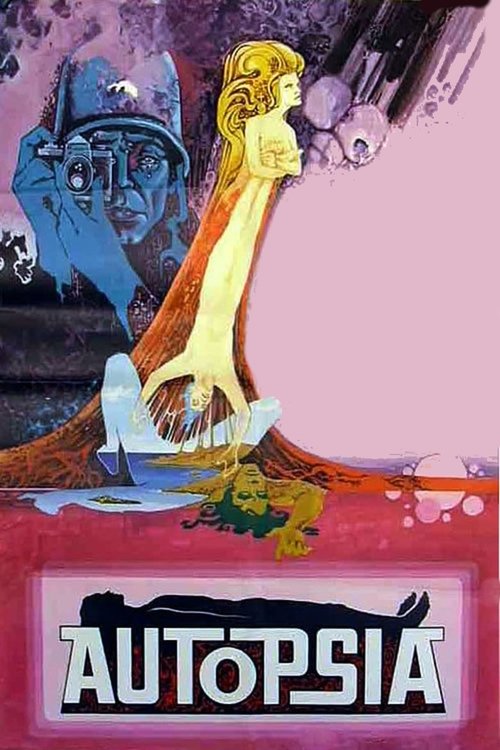
Mondo-style docudrama about a war correspondent who comes back home and has a spiritual crisis about his own mortality. Surreal fantasy sequences are mixed with graphic real autopsy footage.
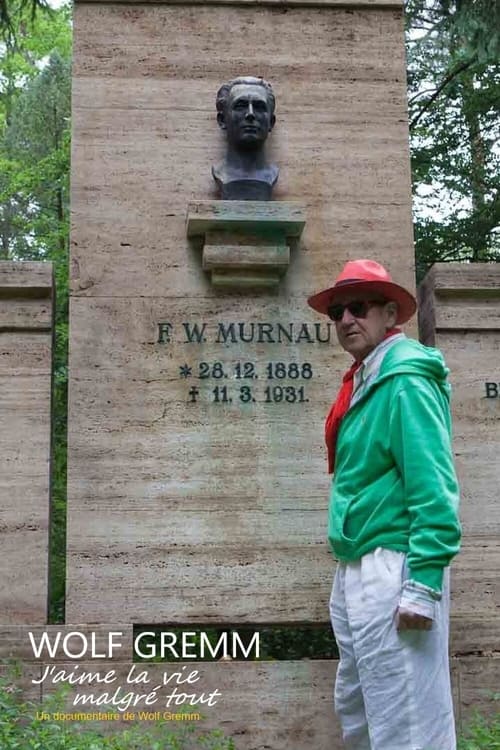
In 2011, the director and screenwriter Wolf Gremm receives the diagnosis - prostate cancer. According to the doctors, he has not much longer to live, maybe eight months. Wolf Gremm is torn by these devastating news in the midst of an active, fulfilling life, but he decides to deal with the disease offensively and to fight. From now on smartphone and mini camera are his constant companions.
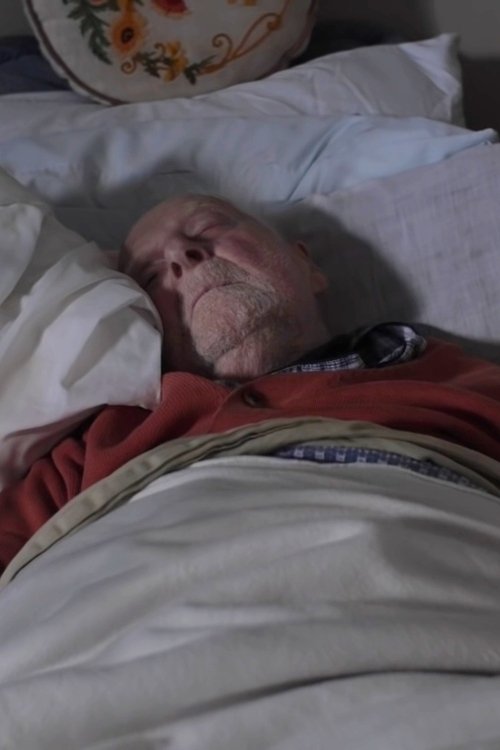
Herbert Fingarette once argued that there was no reason to fear death. At 97, his own mortality began to haunt him, and he had to rethink everything.
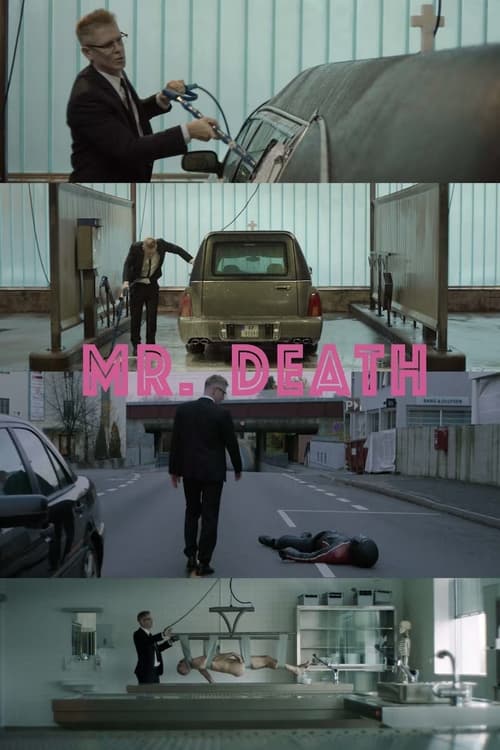
An exclusive interview with Death as he goes about his everyday business.