#CeriaOrNot
A short documentary film following Muhang, a wheelchair user, on his commute to work via public transportation while dealing with the issue of accessibility.
No Trailers found.
Low Kok Kee is 67. He runs a print shop in Chinatown, Kuala Lumpur, Malaysia. Foto Pak Tai has been faithfully serving the photography and printing needs of the local community since the 1940's. With the advent of the digital age and a rapidly fluctuating appetite of the young and hip, Pak Tai is a business in decline.
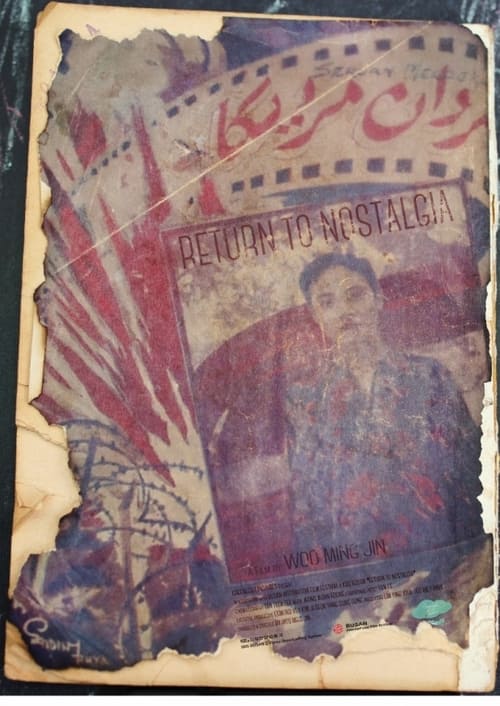
Local filmmaker Woo Ming Jin and his crew traversed across Peninsular Malaysia and Singapore to find 'Seruan Merdeka' (1947) - the first film made in Malaya post-WWII, and also the first film in the history of Malaysian cinema to feature a biracial cast of Malays and Chinese. While tracking the film's whereabouts, Woo met many locals along the way, whom he interviewed in an effort to find out more about the country's history.
No overview available.
Journey with the musicians of the Berlin Philharmonic and their conductor Sir Simon Rattle on a breakneck concert tour of six metropolises across Asia: Beijing, Seoul, Shanghai, Hong Kong, Taipei and Tokyo. Their artistic triumph onstage belies a dynamic and dramatic life backstage. The orchestra is a closed society that observes its own laws and traditions, and in the words of one of its musicians is, “an island, a democratic microcosm – almost without precedent in the music world - whose social structure and cohesion is not only founded on a common love for music but also informed by competition, compulsion and the pressure to perform to a high pitch of excellence... .” Never before has the Berlin Philharmonic allowed such intimate and exclusive access into its private world.
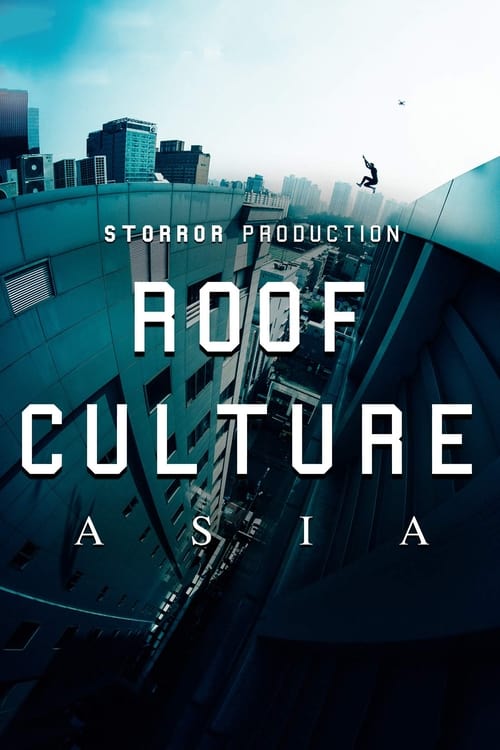
Team Storror showcase Parkour on a stage never before seen - the rooftops of Asian megacities. The film follows team Storror on their exploration into what drives them to push the sport to such extremes, and the battles that face them when trying to shoot a feature film totally guerilla. RCA delves into the mental and physical preparation Parkour athletes have to undertake to make impossible 'leaps of faith', possible.
M for Malaysia documents the 2018 Malaysian General Elections when the people of Malaysia, led by a 92 year-old former Prime Minister, overthrew one of the longest ruling governments in the world. Despite endless barriers thrown at them, the tense campaign pushed on with the most surprising result in the country’s history.
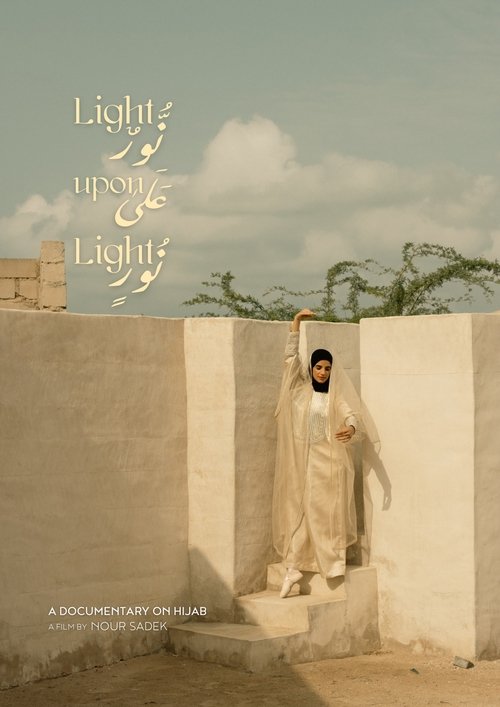
Light Upon Light: A Documentary on Hijab is an intimate and deeply personal exploration of the diverse, raw, and untold stories of hijabi women. Through open and vulnerable conversations with 7 women, the film dismantles stereotypes, highlights the challenges imposed by society, and celebrates the profound beauty of the hijab beyond a mere clothing choice. It captures the individuality of each woman’s story—how they came to wear the hijab, the struggles they’ve faced, and the strength they’ve found in it. More than just fabric, the hijab is a journey, often misunderstood, and influenced by the way the world perceives it. By amplifying voices that are often unheard, the documentary creates a space for empathy, challenges misconceptions, and invites a deeper understanding of what it truly means to wear the hijab; inspiring everyone to see hijab in a new light.
Temiar Senoi, an indigenous people of Malaysia, live in the realm of unique dream culture. Their exceptionally harmonious and non-violent way of living has been claimed to be a direct result of their dream directed habits. Their sole aim is to exist in balance with nature and fellow man. But the nature is under threat by a massive rain forest logging operation masterminded by the Malaysian government. And the tribe itself is under another, direct threat by the same government, who try to institute "modern" customs among the tribes, including state religion and education programs.
By mid-1945, Hitler is dead and the war has ended in Europe. Halfway around the world, however, the fighting is still going strong on a small island in the Pacific. Okinawa was the site of the last battle of the last great war of the 20th century, with a casualty rate in the tens of thousands. Through it all, military cameramen risked their lives to film the conflict, from brutal land combat to fierce kamikaze attacks at sea. See the footage they captured and experience this intense battle the way the soldiers saw it -- in color.
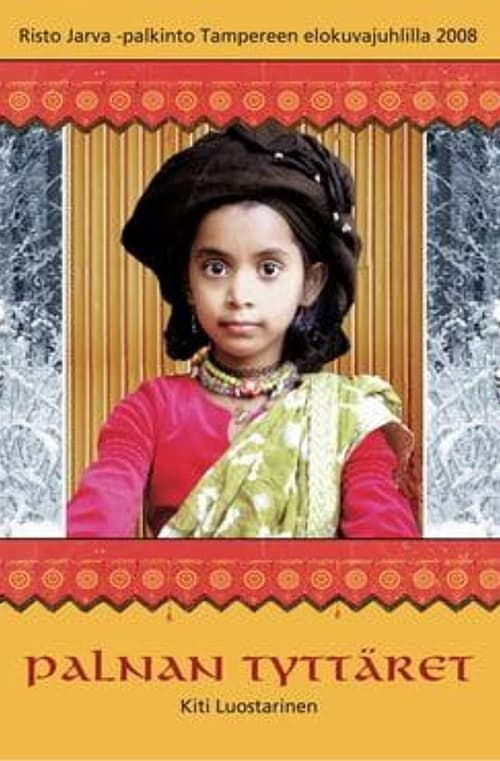
A film about memory, identity and the overwhelming power of love. One-year-old Devi was found starving at a railway station in Delhi. The police took her to Palna, an orphanage, where she lived for a year. When Devi learned to talk she often wanted to talk about Amma, her first mother. In the film, the 6-year-old Devi journeys to her own past, as her family adopts another daughter from Palna, a baby sister for Devi.
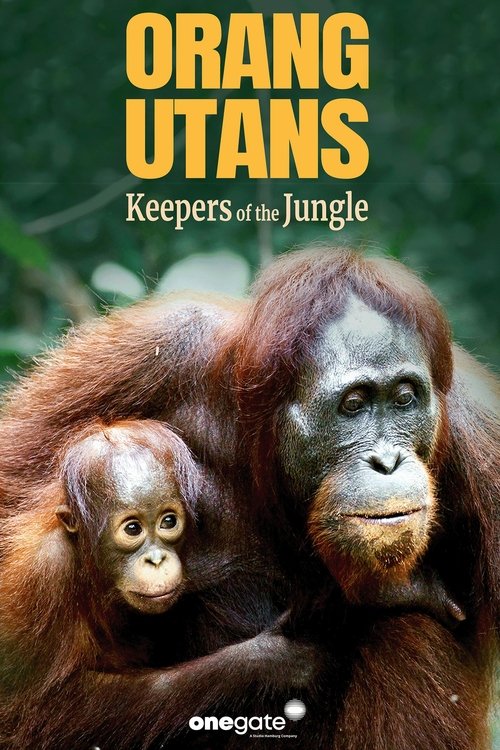
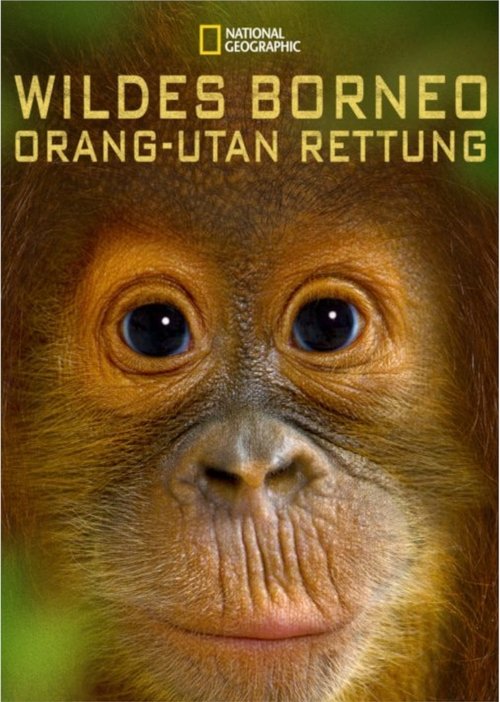
In the heart of Borneo's rainforests, one of the oldest and most biodiverse ecosystems on Earth, lives the orangutan, arguably the largest tree dweller. The main story is about mother ape Sati and her one-and-a-half-year-old daughter Huyan on their journey through the jungle, while at the Sepilok Orangutan Rehabilitation Centre, orphaned and rescued young animals are given a chance at a new life in the wild. But their habitat is threatened by radical deforestation and palm oil plantations. This impressive documentary shows these endangered great apes at eye level for the first time. With the help of innovative drone technology an insight into the dizzying treetops of the jungle giants was, achieved where they mostly stay. It discovering the secret lives of these extraordinary animals with insightful footage and partly some scenes never before seen. Unforgettable images illustrate why protecting the rainforests is crucial for the orangutans and the future of our planet.
With the help of record label 88rising, we look through the eyes six different artist from six different backgrounds, all within Asia, as they share their thoughts on the recent rise of hip-hop throughout the region.
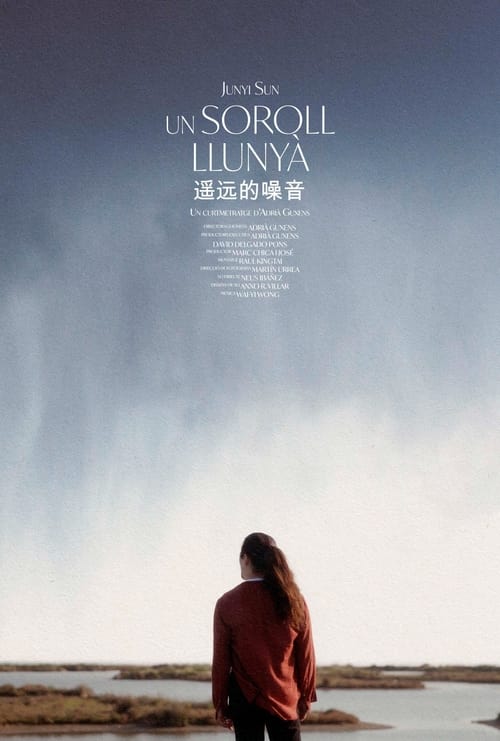
During the rice sowing season, Jun, a young Catalan of Chinese origin, works as a seasonal worker in the Ebro Delta. This ancient labour will make him confront his own roots and the distance that separates him from his family.
A nuanced portrait of a new generation, Dear Thirteen is a cinematic time capsule of coming of age in today’s world. Through the eyes of nine thirteen-year-olds, we see how pressing social, geographical and political challenges are shaping, and being shaped by, young people: rising anti-Semitism in Europe, guns in America, gender identity and racial divisions across Australia and Asia. With no adult commentary outside the filmmaker, Dear Thirteen offers an intimate view into the universal uncertainty inherent in growing up.
Almost 200 million women are "missing" in Asia - the result of targeted abortion of girls and dubious population policies. An investigative documentary about women who are not allowed to have daughters, about desperate attempts by men to find a wife somewhere, and about the abuse of women as pawns of politics and business.
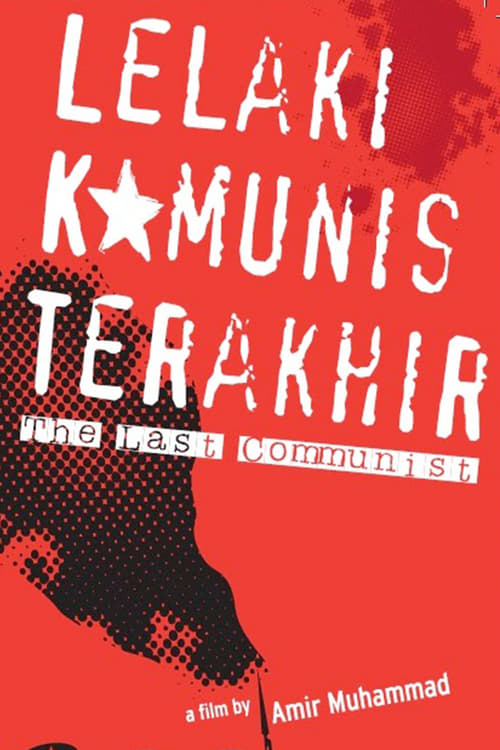
A travel documentary essay, interspersed with specially composed songs, about the early life and legacy of Chin Peng, exiled leader of the banned Communist Party of Malaya.
The camera floats quietly to capture the beauty that emerges from the mundane. Accompanied by Ryuichi Sakamoto's composition, Arseny Tarkovsky's poem celebrates life.
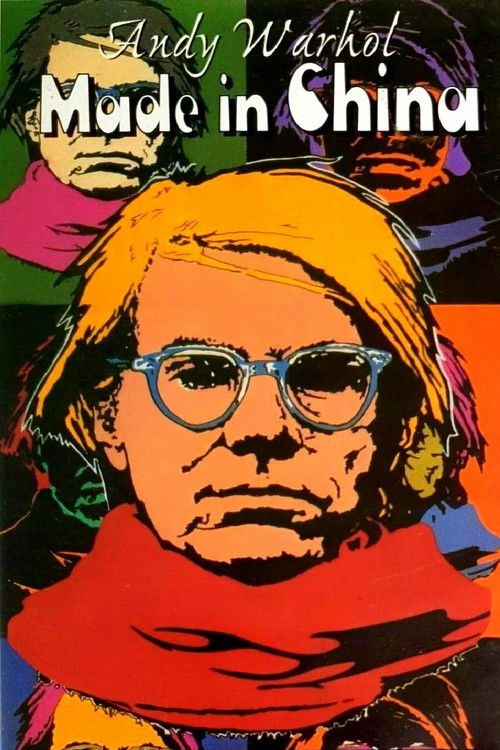
A look at the man behind the legend, capturing the real Andy Warhol, as an artist and as a person, as he travels through China, from Hong Kong's glitter to the mystique of Peking's Forbidden City. Set in the Far East, the story begins with the opening of the most elegant jet set watering hole in Asia, Hong Kong's “I Club,” whose owner, a young Chinese millionaire, decided to try an experiment: to transplant the most advanced, far-out Western culture to the Far East in a multimillion-dollar club that offers everything from restaurants and bars, to a health club and even an art gallery. Warhol is invited to attend the opening as a guest of honor showing his “Celebrity Portraits.” The result of this cultural experiment was varied. Emotions from the “I Club” and Warhol's work ranged from outrage to indifference to wonder.