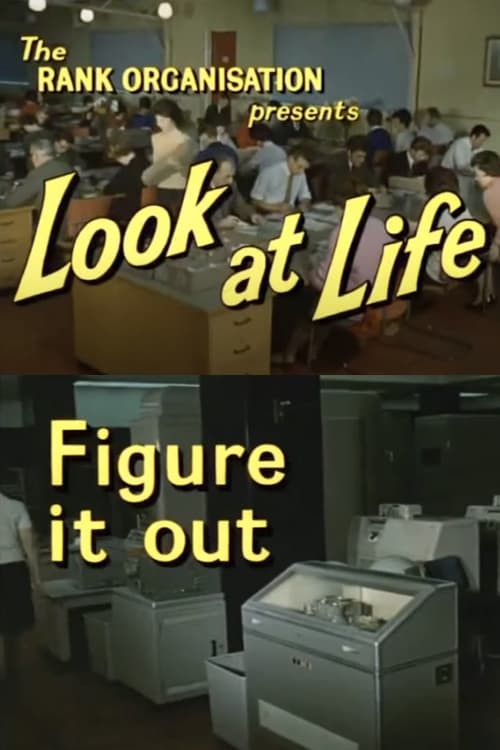
The story of computers: from electronic tape and punched cards, to austere-looking robots.
No Trailers found.
Self - Commentator
Traces the historical evolution of these structures that make-up “the cloud”, the physical repositories for the exponentially growing amount of human activity and communication taking form as digital data.
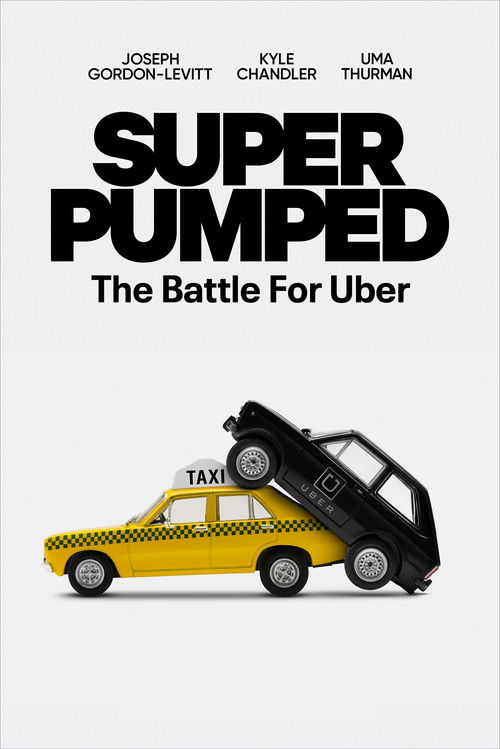
The roller-coaster ride of the upstart transportation company, embodying the highs and lows of Silicon Valley.
Within the coming decades we will be able to create AIs with greater than human intelligence, bio-engineer our species and re-design matter through nanotechnology. How will these technologies change what it means to be human? Director Doug Wolens speaks with leading futurists, computer scientists, artificial intelligence experts, and philosophers who turn over the question like a Rubik’s Cube. Ultimately, if we become more machine-like, and machines more like us, will we sacrifice our humanity to gain something greater? Or will we engineer our own demise? THE SINGULARITY is a comprehensive and insightful documentary film that examines technology’s accelerating rate, and deftly addresses the resulting moral questions.
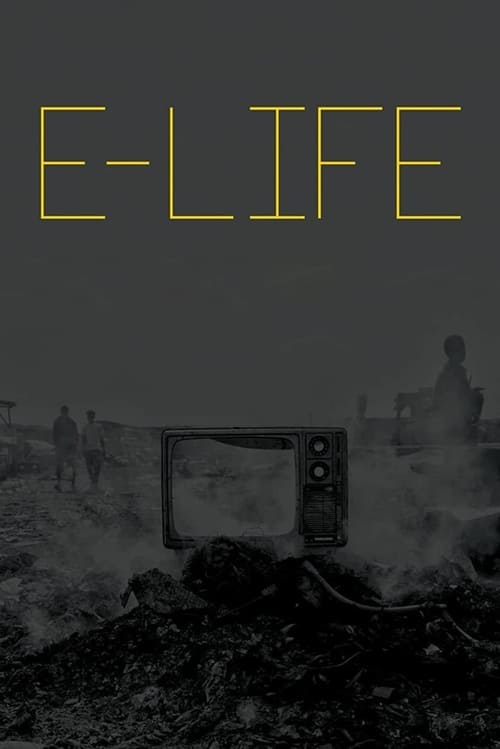
Computers, smart phones, and tablets are now a part of our daily lives. They have revolutionised the way we work, the way we communicate and the way we view the world. But what happens to our old phone when we upgrade? Where does our broken computer go after we throw it out? 'e-Life' explores what happens to our electrical goods when we throw them away and exposes some unpleasant (and perhaps unknown) truths about the detrimental affects e-waste has on people's health, the environment and the economy. From consumers in the UK to the recyclers in the dumps of Ghana, the documentary will follow the journey of our e-waste. We will examine current manufacturing and disposal processes and also assess the burden the boom in electronic goods is placing on global resources. 'e-Life' will be an objective portrayal of the problem of e-waste that documents the issue through carefully crafted cinematography.
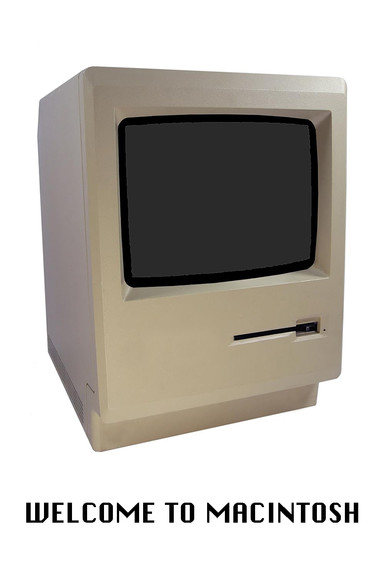
"Welcome to Macintosh" is a documentary that mixes history, criticism and an unapologetic revelry of all things Apple. Whether a long time Mac fanatic or new to computers, Welcome to Macintosh explores the many ways Apple Computer (now Apple, Inc.) has changed the world, from the early days of the Apple-I to the latest the company has to offer.
Using real cases, this documentary demonstrates the extent to which violent criminals can use social media to locate and manipulate victims.
Documentary which follows the construction of a trailblazing 36,000-tonne steel structure to entomb the ruins of the nuclear power plant destroyed in the 1986 Chernobyl disaster.
William Shatner presents a light-hearted look at how the "Star Trek" TV series have influenced and inspired today's technologies, including: cell phones, medical imaging, computers and software, SETI, MP3 players and iPods, virtual reality, and spaceship propulsion.
On a NASA research base in Silicon Valley, there's an organization that's changing the world ... Singularity University (SU). Created by renowned futurist Ray Kurzweil and entrepreneur Peter Diamandis, with support from NASA, Google, and others, the university brings in some of the smartest students from around the world, and gives them a crash course in the most powerful exponential technologies on the planet. The students are then given a challenge: create companies that will impact a billion people within ten years. The film follows the students and their companies over five years, as they use the support of scientists, astronauts and billionaires in their attempt to make a dent in the universe.
No overview available.
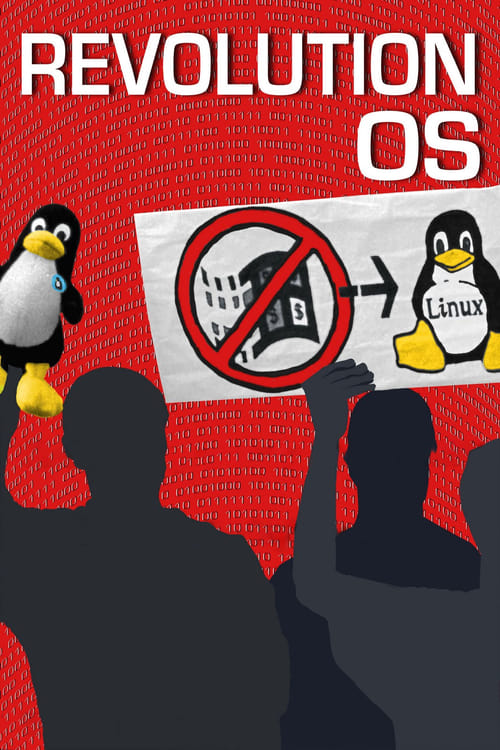
REVOLUTION OS tells the inside story of the hackers who rebelled against the proprietary software model and Microsoft to create GNU/Linux and the Open Source movement.
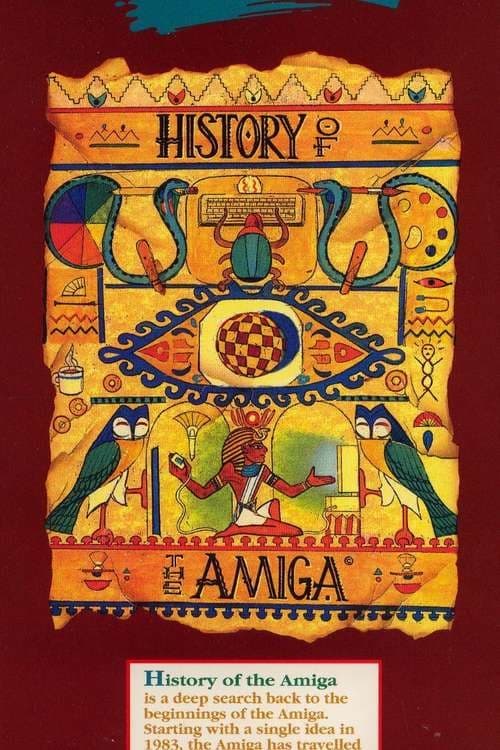
Take an intriguing, fun-filled journey through the history of the Amiga computer. From the earliest days, we'll examine the trials, tribulations, and triumphs of today's latest models from Commodore. Listen while Jay Miner, "Father of the Amiga", tells amusing anecdotes of the early days and the first prototype...hear what Commodore has to say about the future of the Amiga...and lots more! Meet the people, view the products and visit the places that have helped make the Amiga and Amiga user unique in the history of computing!
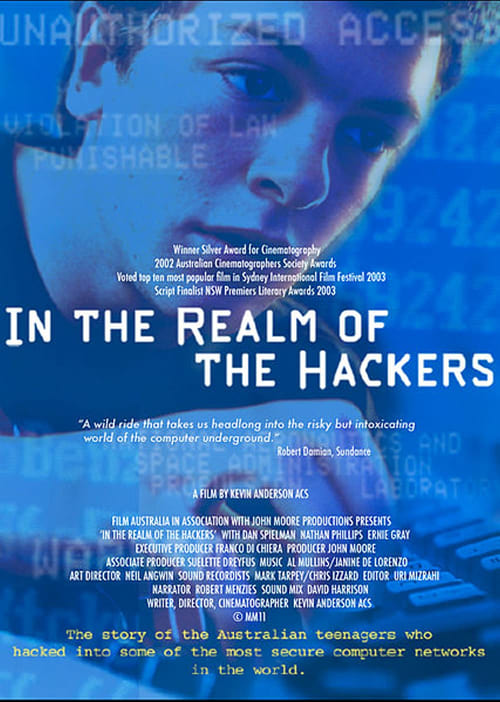
In The Realm of the Hackers is a documentary about the prominent hacker community, centered in Melbourne, Australia in the late 80's to early 1990. The storyline is centered around the Australian teenagers going by the hacker names "Electron" and "Phoenix", who were members of an elite computer hacking group called The Realm and hacked into some of the most secure computer networks in the world, including those of the US Naval Research Laboratory, Lawrence Livermore National Laboratory, a government lab charged with the security of the US nuclear stockpile, and NASA.
Gigantic machine combs beach in southern California and retrieves articles lost in sand; synthetic gems made by new chemical process; aviation school holds classes in grounded transport plane; how seaweed is processed for scientific use.
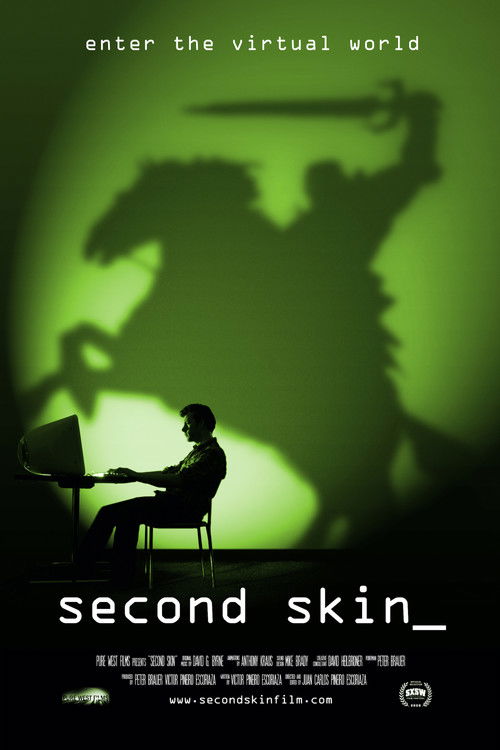
Second Skin takes an intimate look at three sets of computer gamers whose lives have been transformed by online virtual worlds. An emerging genre of computer software called Massively Multiplayer Online games, or MMOs, allows millions of users to interact simultaneously in virtual spaces. Of the 50 million players worldwide, 50 percent consider themselves addicted.
The first transatlantic communications cable, traversing the ocean floor from Valentia Island, County Kerry, to Newfoundland, Canada, 165 years ago was an 8 year endeavor that helped lay the foundation of the modern technology industry and explains the fragility of undersea cables today.
The year is 2020 and the Amiga computer is 35 years old and going strong. We look at new developments and interview Amigans worldwide in this feature packed documentary.
A exploration of the fanaticism that surrounds the Apple brand, featuring interviews with Mac evangelists and members of the Mac community.
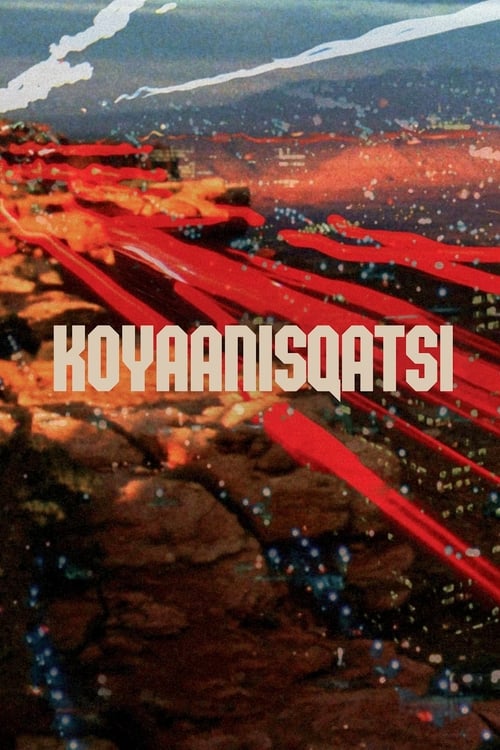
Takes us to locations all around the US and shows us the heavy toll that modern technology is having on humans and the earth. The visual tone poem contains neither dialogue nor a vocalized narration: its tone is set by the juxtaposition of images and the exceptional music by Philip Glass.