Nature Is Watching Us
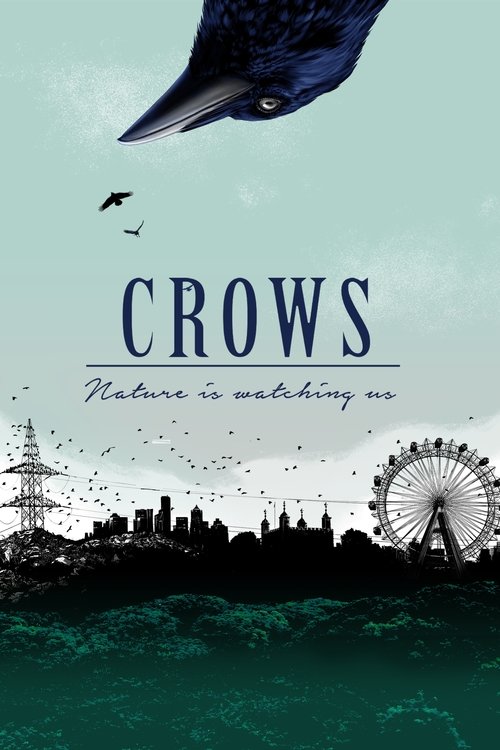
Where there are humans, are also ravens and crows. No animal knows us better.
Narrator (voice)
Self
Trailer
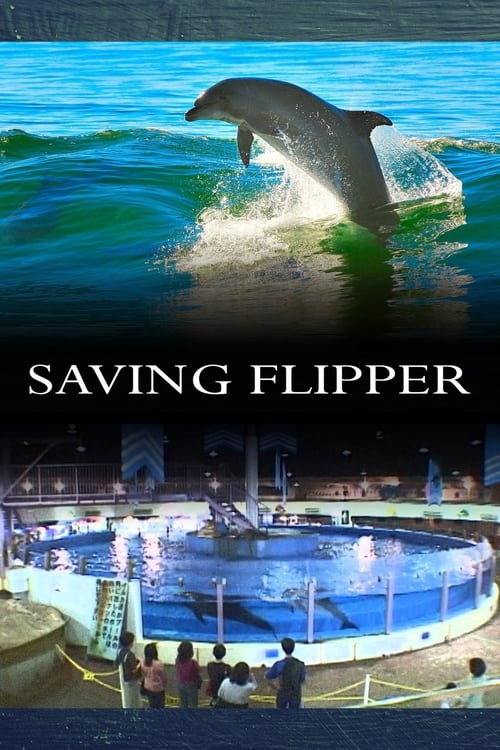
Our love affair with dolphins began with 'Flipper' and ended in a multi-million dollar industry of abuse. From the dazzling sea shows where dolphins are driven to suicide, to an annual dolphin slaughter in a small cove in Japan, 'Saving Flipper' reveals the nightmare behind the dolphin's indelible smile.
No overview available.
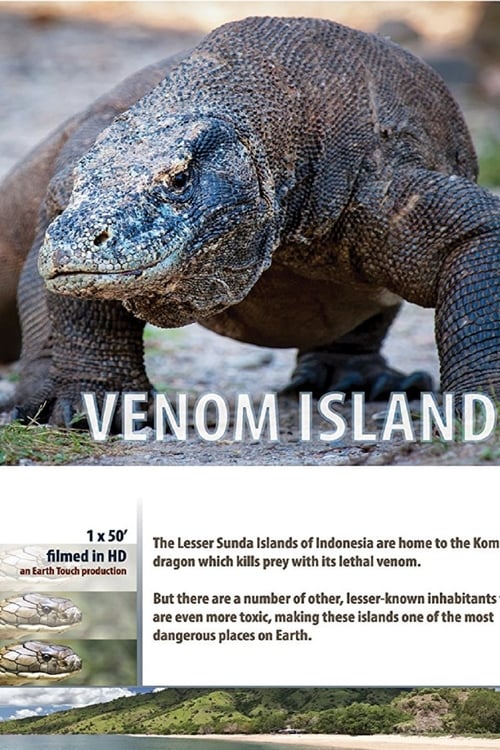
Venom expert Dr. Bryan Fry embarks on a dangerous island journey to uncover the deadly secrets of vipers, stonefish and the formidable Komodo dragon.
Liz Bonnin introduces a cast of charismatic animals to reveal the remarkable strategies they use to survive, and even thrive, through the winter.
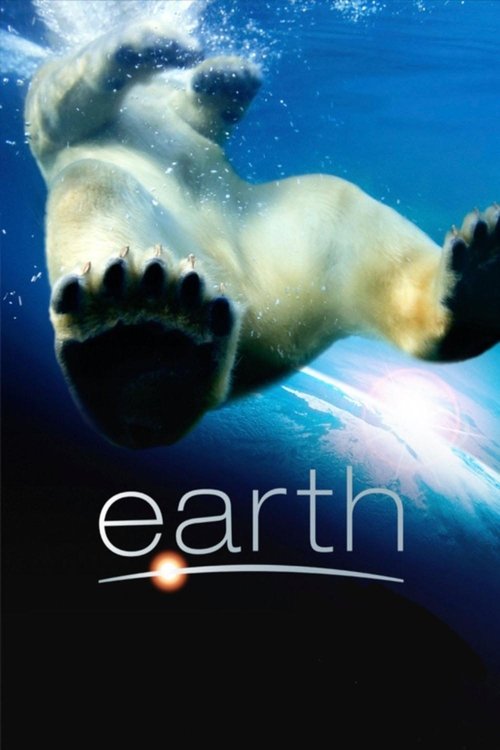
An epic story of adventure, starring some of the most magnificent and courageous creatures alive, awaits you in EARTH. Disneynature brings you a remarkable story of three animal families on a journey across our planet – polar bears, elephants and humpback whales.
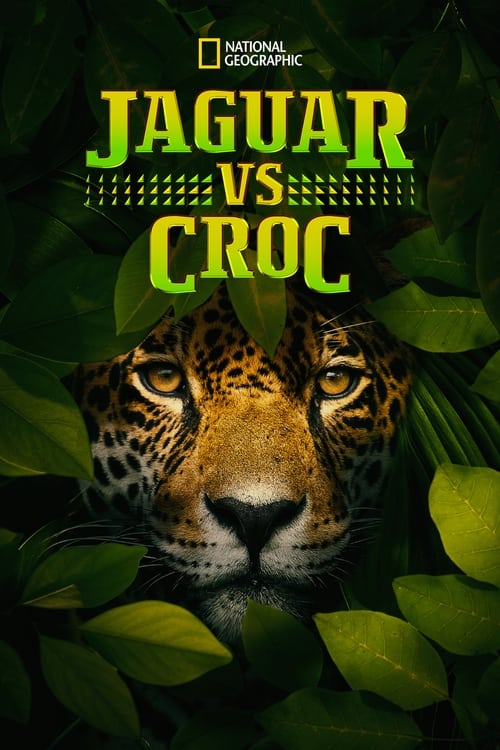
Wildlife photographer Steve Winter and cameraman Bertie Gregory capture the lives of jaguars in the Pantanal of Brazil; a mother jaguar teaches her cub how to survive, while a male jaguar dives headfirst into a river to tackle a six-foot-long caiman.
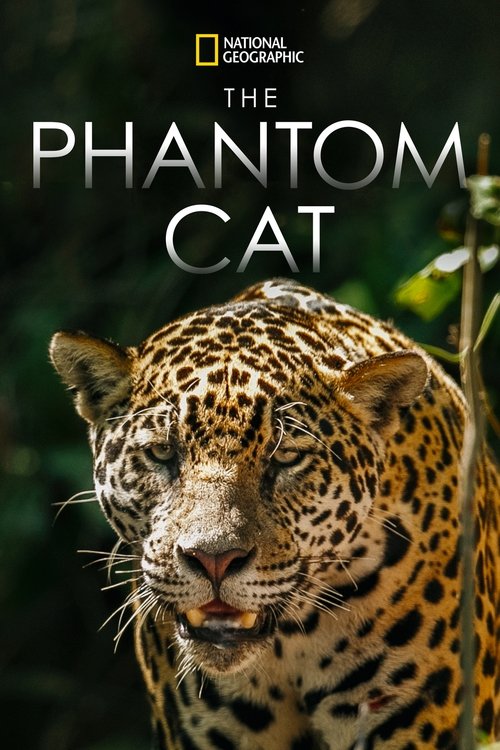
A jaguar is sought in South America.
A film crew travels to the island of Islay off the west coast of Scotland to investigate the curious tale of the discovery on the island of a dead wallaby.
An exploration of technologically developing nations and the effect the transition to Western-style modernization has had on them.
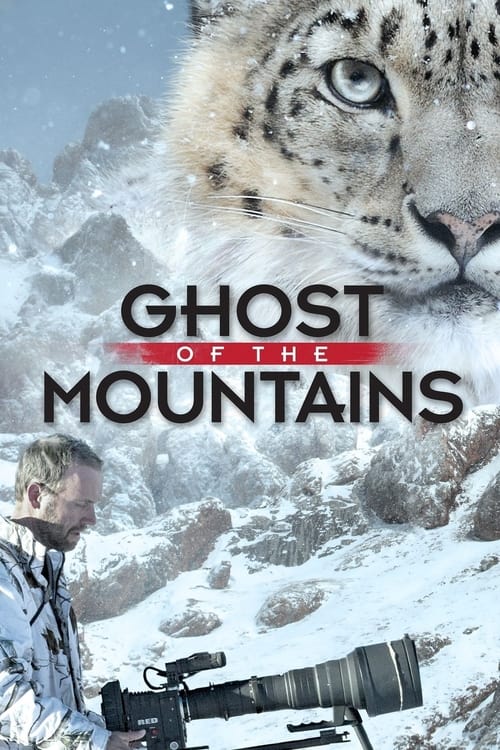
Disneynature's international team of filmmakers travel to the mountains of China to find and film the elusive snow leopard on the highest plateau on Earth, while enduring brutal weather and unsettled terrain.
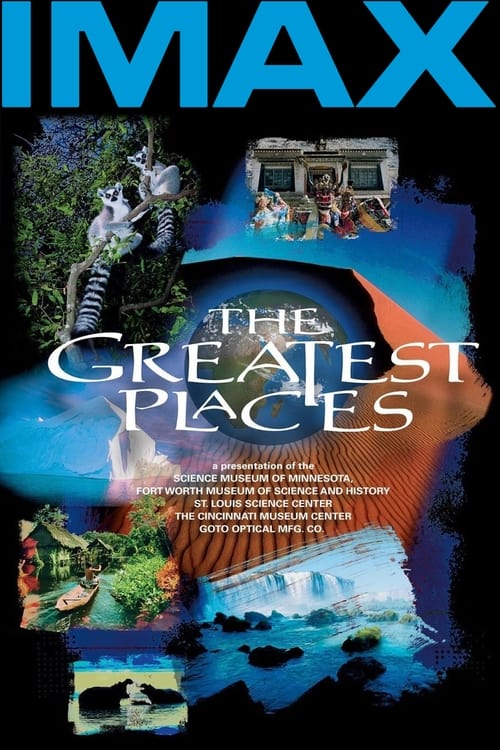
A journey to seven of the most geographically dynamic locations on earth. The film features spectacular land forms, diverse wildlife and the people and cultures indigenous to these places. Distinct geographic places include the great island of Madagascar, home to unique limestone pinnacles and the playful lemur; and the greatest desert—the Namib—home of the largest sand dunes in the world that tower majestically over its western border, the Atlantic Ocean. Other locations featured are the great icecap of Greenland, Iguazu Falls in Brazil, the Okavango Delta in Botswana, the Chang Tang Plateau in Tibet, and the Amazon River in South America.
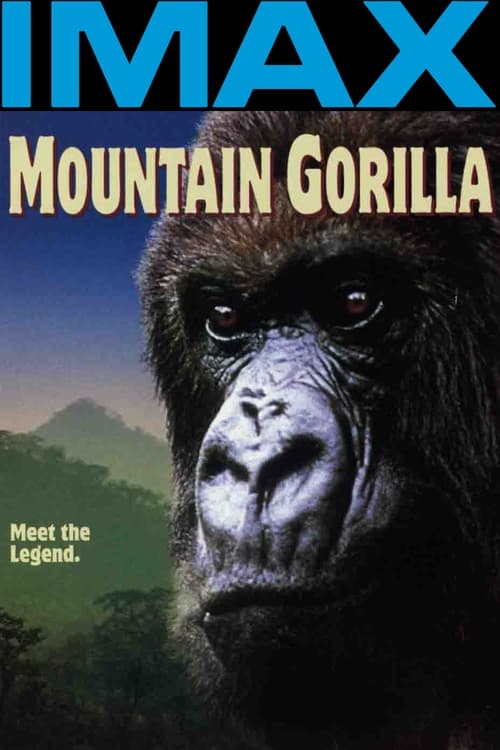
Mountain Gorilla takes us to a remote range of volcanic mountains in Africa, described by those who have been there as ""one of the most beautiful places in the world"", and home to the few hundred remaining mountain gorillas. In spending a day with a gorilla family in the mountain forest, audiences will be captivated by these intelligent and curious animals, as they eat, sleep, play and interact with each other. Although gorillas have been much-maligned in our popular culture, viewers will finally ""meet the legend"" face to face, and learn about their uncertain future.
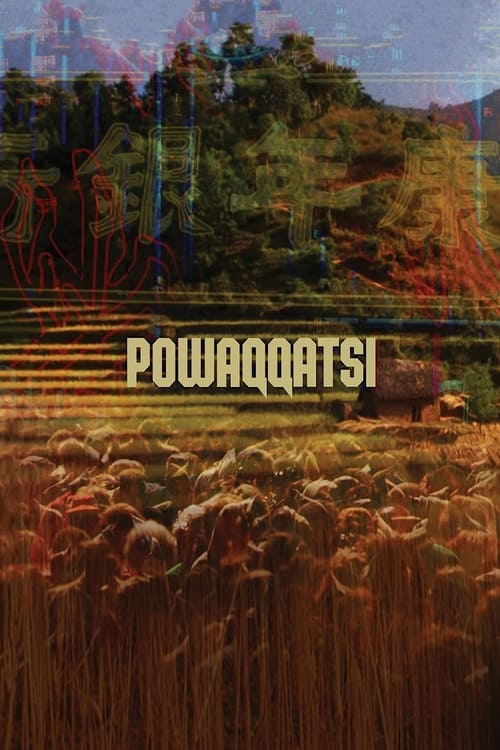
A visual montage portrait of our contemporary world dominated by globalized technology and violence.
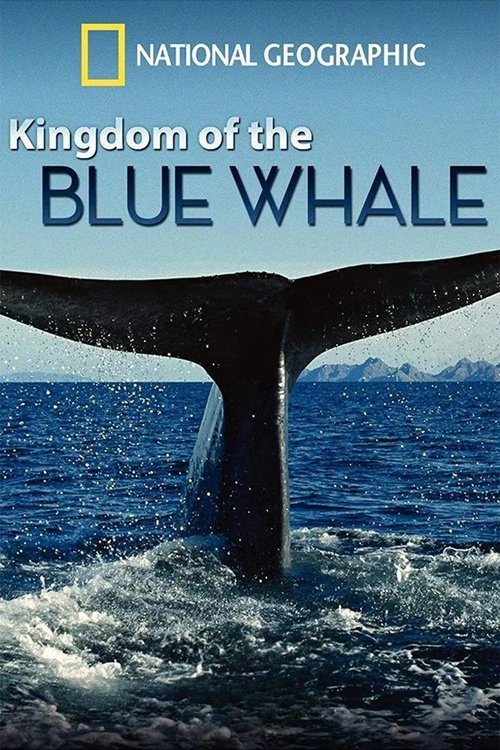
Supported by the National Geographic Society, the world's eminent blue whale scientists embark on a revolutionary mission: They'll find, identify, and tag California blue whales, use the DNA samples to confirm the sex of individual whales, then rejoin the massive creatures' stunning migration when they collect at a chimera known as the Costa Rica Dome.
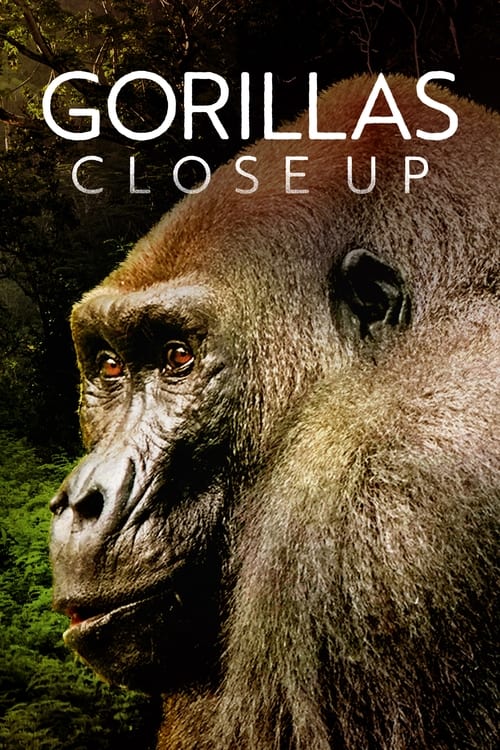
Gabon's Loango National Park is home to a group of western lowland gorillas who have become accustomed to biologists who have studied them for almost twenty years. This documentary presents an intimate look at the silverback Kamaya and his family and features a newborn baby gorilla, brave researchers, forest elephants, buffalos and the last remaining wild coastline in the African tropics.
The remarkable story of one woman raising an army of over 10,000 people to help save one of the rarest birds on Earth from the depths of extinction.
Darwin's great insight – that life has evolved over millions of years by natural selection – has been the cornerstone of all David Attenborough’s natural history series. In this documentary, he takes us on a deeply personal journey which reflects his own life and the way he came to understand Darwin’s theory.
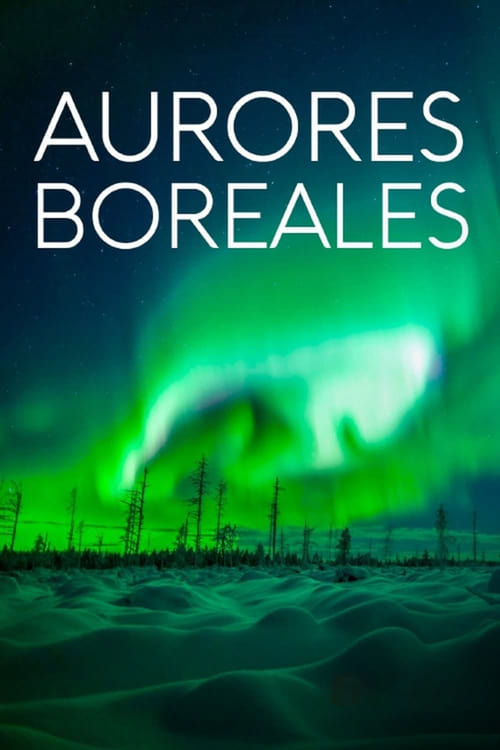
In this documentary, scientists reveal their findings on the influence of solar storms on animal behavior and human transport infrastructure. The documentary explains why solar storms pose a threat to humanity: In extreme cases, they can damage satellites, slow down air traffic and paralyze high-voltage and telecommunications networks.
Embark on a delightful journey into the world of dogs in this documentary that reveals scientific and emotional insights about our lovable BFFs.
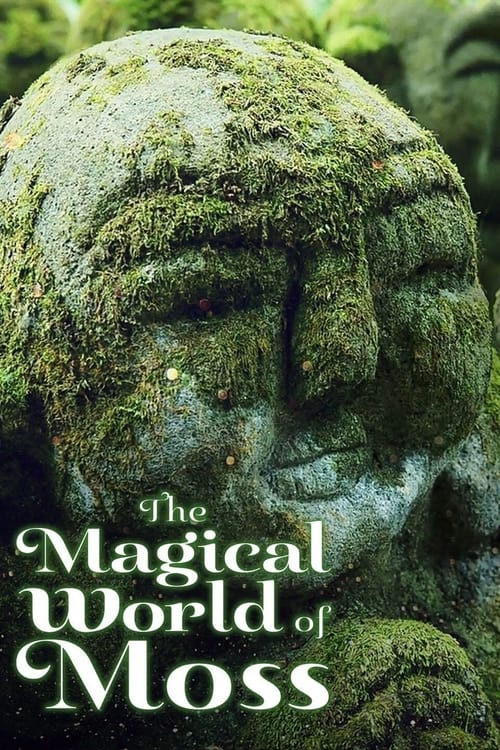
They have no roots, no seeds, no flowers, but mosses show immense survival capacities and can suspend their biological activity for long periods. Today, researchers are exploring the exceptional resistance of these archaic organisms. British ecologists have even resurrected a "zombie" moss that has been trapped in the permafrost for 1,500 years. Associated with decay and disliked in Europe, mosses are deified in Japan. With 25,000 species worldwide, bryophytes - their scientific name - are the seat of real ecosystems, and can develop in inhospitable landscapes, through an extravagant reproduction cycle.