Footage shot in and around North Bergen, New Jersey presented in a minimalist series of fixed camera angles and long-takes accompanied by the ambient noise of city streets.
No Trailers found.
No Cast found.
Unveiling Yasujiro Ozu’s legacy through his personal diaries, letters, and interviews, the documentary delves into his life, creative process, and lasting impact on filmmaking.
With exclusive behind-the-scenes access into Herzog’s everyday life, rare archive material and in-depth interviews with celebrated collaborators – including Christian Bale, Nicole Kidman, and Robert Pattinson, we are given an exciting glimpse into the work and personal life of the iconic artist.
An extremely lovely tribute to Ozu, on the 20th anniversary of his death. It uses a combination of footage from vintage films and new material (both interviews and Ozu-related locations) shot by Ozu's long-time camera-man (who came out of retirement to work on this). Surprisingly (or perhaps not), it focuses less on Ozu's accomplishments as a film-maker than on his impact on the lives of the people he worked with..
Created from material developed during "The Thoughts That Once We Had," this short film presents an anthology of 26 scenes from films made between 1904 and 2015, each depicting trains arriving at stations. The sequences are arranged in a serial structure, with black-and-white scenes in the first half paired with corresponding color sequences in the second half, forming a symmetrical visual progression.
Through the Fondren Fellows program, the Rice Media Center Archive Project has spent the past few months sifting through material stored at the now-defunct Rice Media Center. The team has identified several films as especially notable and will be presenting them in conjunction with documentary footage the team shot of people involved with the films. From lectures featuring Roberto Rossellini and Werner Herzog to films from former Rice students and faculty, the film presentation will tell the narrative of the Rice Media Center through the films and filmmakers that passed through its corridors.
Two young documentarists travel around a forsaken island in the aftermath of a cataclysmic volcanic eruption. Their wanders lead them to the encounter of Professor Pereda, an acoustic geologist, conducting researches on geo-acoustics.
RECONQUEST OF THE USELESS, a documentary film which follows the adventures of three young men as they journey nearly 5000 miles through the Peruvian Amazon, searching for inspiration and the legacy of Werner Herzog's classic film Fitzcarraldo & Les Blank's Burden of Dreams thirty years after they were made.
It seemed like a typically quiet night... but the most unexpected encounter leads Chris to a difficult choice.
A pre-fame Werner Herzog (Adam Ezagouri) is asked to share a flat with a strange new actor only known as Klaus Kinski. Herzog agrees but soon regrets his generous decision as Kinski proves to be one uncanny flatmate. Despite their disagreements, both decide to try and shoot Herzog's own version of Don Quixote, with disastrous consequences.
Tells the story of the famed Build-a-Bear workshop, weaving together stories from when Maxine Clark first conceived the idea, the company’s struggles to stay afloat, and the endless happiness it has provided for children and adults alike.
"Before I left today, I almost forgot to answer a lot of e-mails."
An hour-long portrait of Canadian immigration lawyer, M. Lee Cohen, renowned for his work with refugees. The film follows his representation of Sonya Pecelj and Vladimir Zalipyatskikh. The first case follows a young woman, Sonya Pecelj from Kosovo, who seeks sanctuary for more than a year in a church; the second case follows a Russian sailor who dives off a ship in Halifax Harbour to escape virtual imprisonment by the Russian fish mafia.
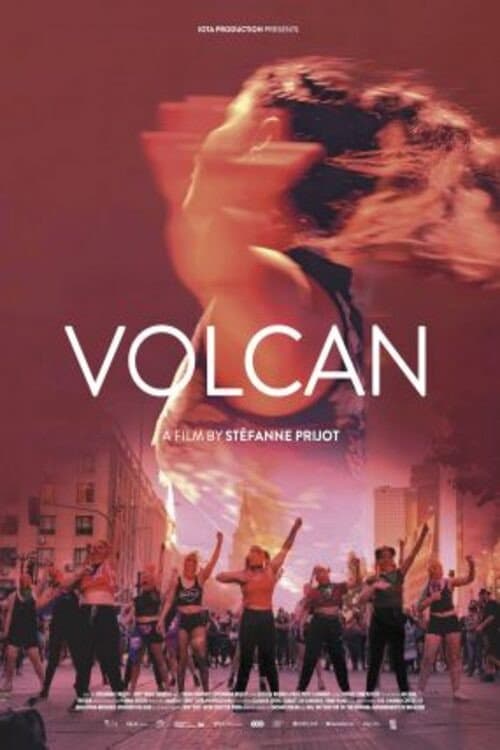
In Chile, glaciers are melting, forests are burning, inequalities are growing, social revolt is roaring... Between reason and desire, Camila's thoughts waver: can she give birth to a child in this burning world?
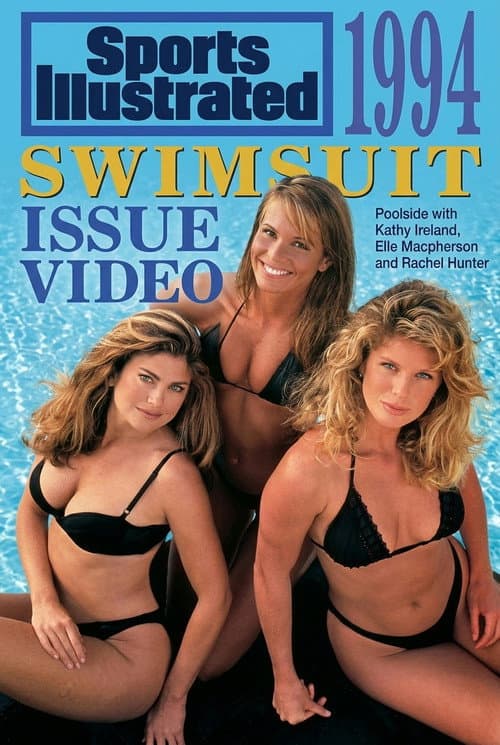
Sports Illustrated's 1994 Swimsuit Video
No overview available.
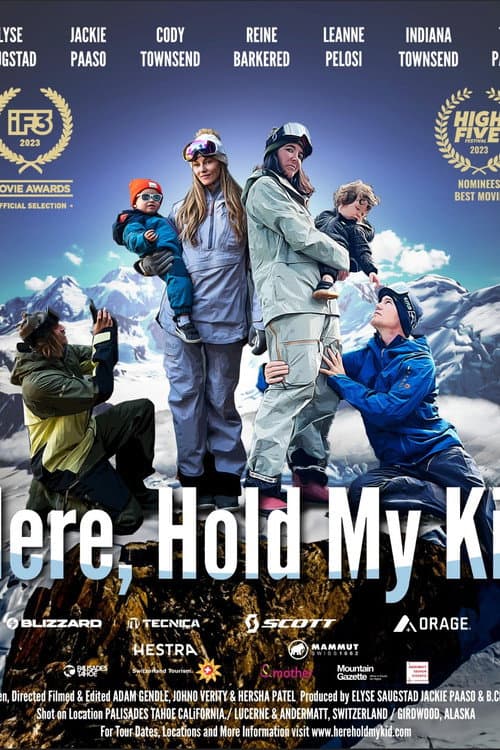
Two professional skiers, two new mothers, one sponsorship. A quirky documentary style film capturing the highs and lows of two women determined to succeed with side-splitting, hilarious moments.
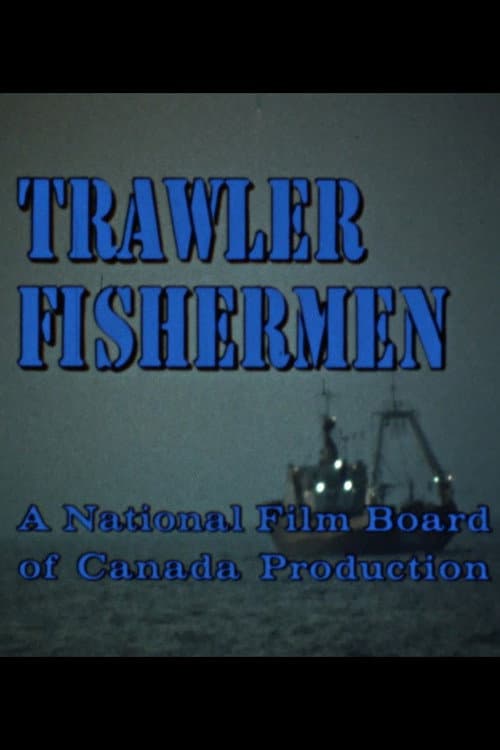
This short film was shot on the Grand Banks of Newfoundland and shows off the new technology employed on modern fishing boats in the mid-1960s. The featured trawler is open-stern style, allowing full nets to be dragged easily from the sea then lifted to release the silvery catch into the cleaning troughs. -NFB
The story of a real life upcoming national champion of Table tennis, Connor Green. Talking about his journey and his family along the way.
Three friends, one bus, hundreds of stories: Franz Gernstl and his companions HP Fischer and Stefan Ravasz have been traveling the world since 1983, always in search of - well, what is it?