A motorist is haunted by a wayfarer he has accidentally wronged.
Trailer
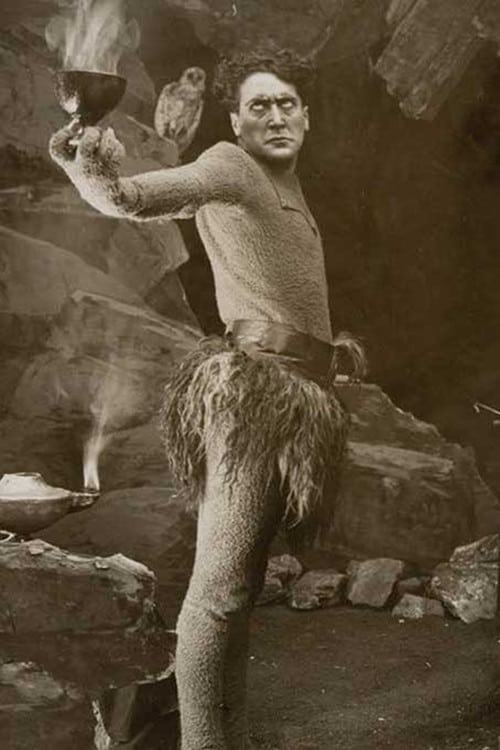
The Wayfarer
The Motorist
One of the two earliest horror films ever made. This film is presumed lost.
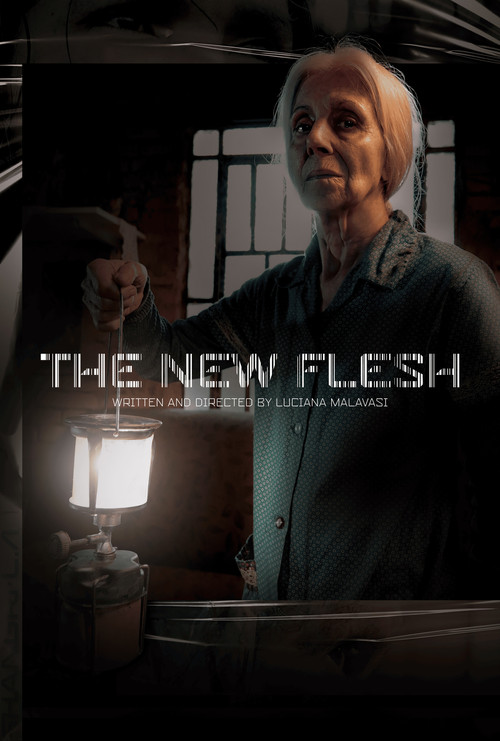
This is a story about a man who believes that he has two “selves” - external and internal. That is, an organism is a certain conglomerate of cells, each of which is a separate individual. This hybrid creature has a certain common personal “I” that uses the entire organism, and is the organism itself, which has its own will. According to the character, one can communicate with him, which is what he is trying to do. He wants to reach him and comes up with different ways of communication: injecting substances under the skin or intravenously, tattooing texts on the body, swallowing objects. The answer would come in the form of a rash or other physical manifestation that had to be interpreted. As a result, communication is carried out and the second “I” agrees to die.
This mostly lost film is often confused with director Paul Wegener third and readily available interpretation of the legend; Der Golem, wie er in die Welt kam (1920). In this version of the golem legend, the golem, a clay statue brought to life by Rabbi Loew in 16th century Prague to save the Jews from the ongoing brutal persecution by the city's rulers, is found in the rubble of an old synagogue in the 20th century. Brought to life by an antique dealer, the golem is used as a menial servant. Eventually falling in love with the dealer's wife, it goes on a murderous rampage when its love for her goes unanswered.
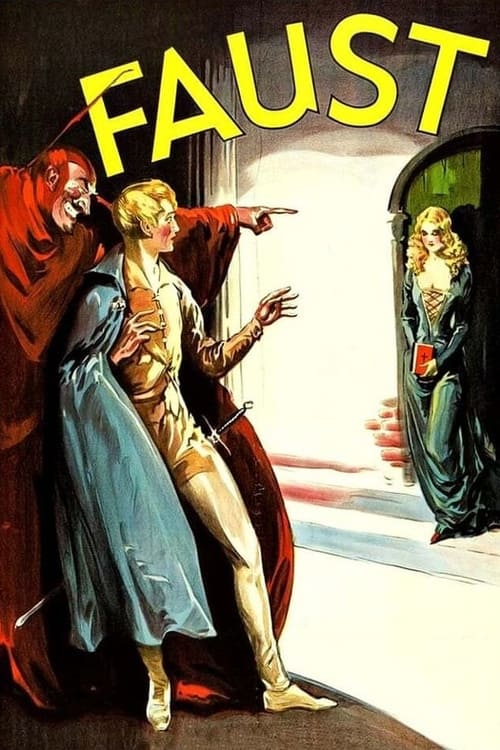
God and Satan wager on the soul of a learned and prayerful alchemist as part of their eternal war over Earth.
When Demonetization (currency ban) is announced in India, 3 unlikely characters come face to face for a bag of cash. After that a car journey begins and some more characters come into picture. This results in a cat and mouse game with a very unexpected outcome.
On an isolated farm, a woman finds an injured and frightened woman in her old chicken coop. Moved by an inexplicable instinct, she decides to help her, without imagining that this silent encounter will awaken buried secrets. When tension finally gives way to trust, something dark approaches, bringing a truth that no one could have foreseen.
A prophet who longed to look upon his deities. A daunting journey to a mountain peak. A confrontation with gods too powerful to name. This is the story that inspired Peter Rhodes, who worked as a filmmaker and artist during the 1920s. Few people know of his work, and it's only through luck and perseverance that we have been able to track down the elements for this "lost" film. Rhodes' films were created using silhouette animation, a technique perfectly suited to depict Lovecraft's mythic Dreamland stories. The filmmaker's involvement in New York City's occult and literary scenes provided him with a select audience for his work. Rhodes was especially influenced through his relationships with occultist Aleister Crowley and writer H.P. Lovecraft, but it was personal tragedy that moved him to produce "The Other Gods: A Tale of the Dream Cycle," his most powerful film.
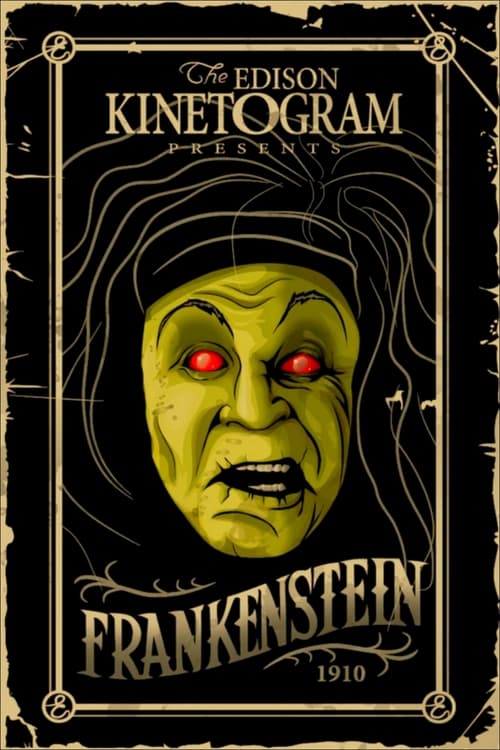
Frankenstein, a young medical student, trying to create the perfect human being, instead creates a misshapen monster. Made ill by what he has done, Frankenstein is comforted by his fiancée; but on his wedding night he is visited by the monster.
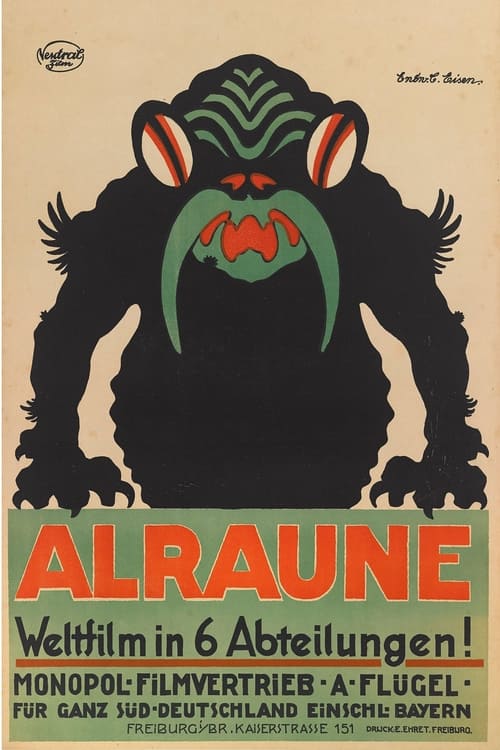
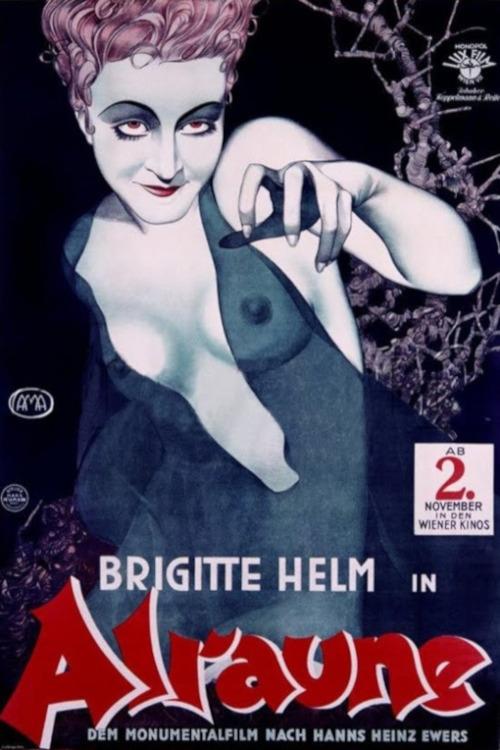
Mad scientist, doctor Ten Brinken artificially inseminates a prostitute with a dead man's semen. The resulting child grows up to be a beautiful, evil woman who turns against her creator.
Hanns Heinz Ewers' grim science-fiction novel Alraune has already been filmed twice when this version was assembled in 1928. In another of his "mad doctor" roles, Paul Wegener plays Professor Brinken, sociopathic scientist who combines the genes of an executed murderer with those of a prostitute. The result is a beautiful young woman named Alraune (Brigitte Helm), who is incapable of feeling any real emotions -- least of all guilt or regret. Upon attaining adulthood, Alraune sets about to seduce and destroy every male who crosses her path. Ultimately, Professor Brinken is hoist on his own petard when he falls hopelessly in love with Alraune himself. Alraune was remade in 1930, with Brigitte Helm repeating her role, and again in 1951, with Hildegarde Knef as the "heroine" and Erich von Stroheim as her misguided mentor.
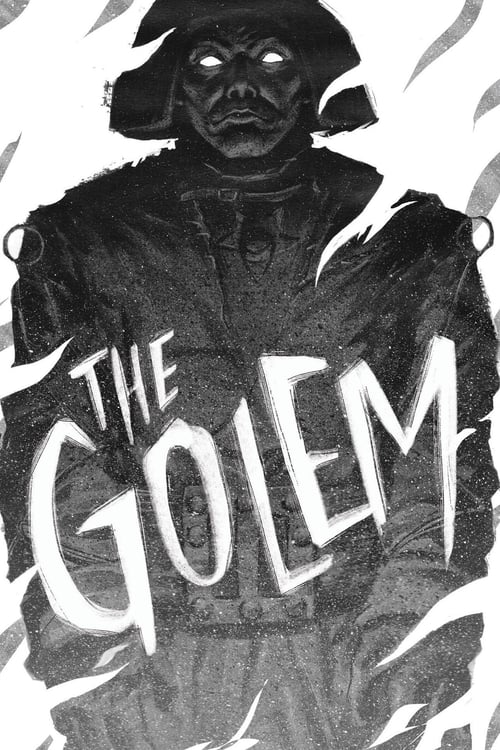
In 16th-century Prague, a rabbi creates the Golem - a giant creature made of clay. Using sorcery, he brings the creature to life in order to protect the Jews of Prague from persecution.
A world-famous pianist loses both hands in an accident. When new hands are grafted on, he is horrified to learn they once belonged to a murderer.
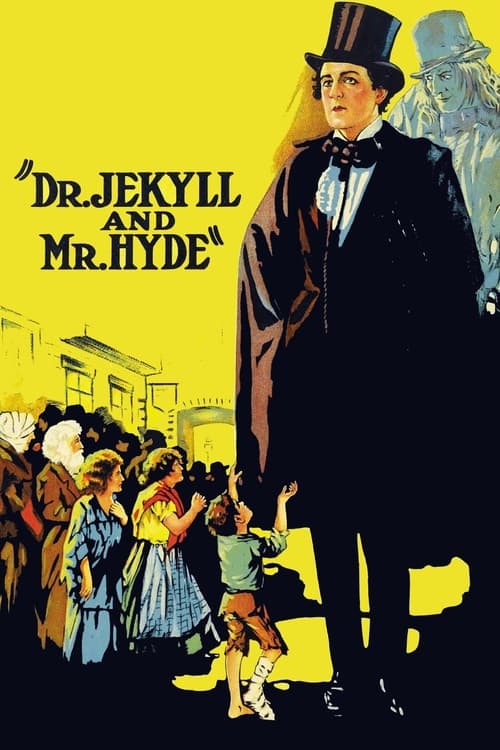
A doctor's research into the roots of evil turns him into a hideous depraved fiend.
No overview available.
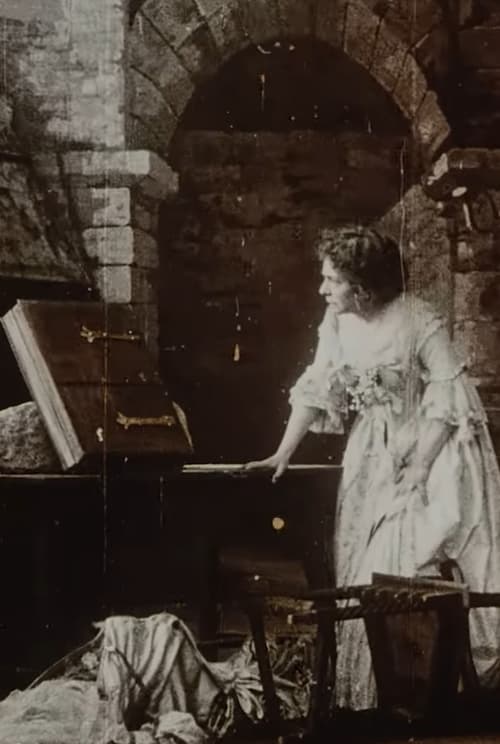
During a wedding party, according to tradition, hide-and-seek is played in a local abandoned castle. The bride falls into a hidden corridor. As she enters a room, the door falls shut behind her. Inside, she finds a dead woman and a book that says she cannot get out of here. However, a cat taking her scarf outside is her salvation. The cat puts the searchers on the right track, and the groom finds his bride.
A dying professor leaves his great-nephew a collection of documents pertaining to the Cthulhu Cult. The nephew begins to learn why the study of the cult so fascinated his grandfather. Bit-by-bit he begins piecing together the dread implications of his grandfather's inquiries, and soon he takes on investigating the Cthulhu cult as a crusade of his own.
In a first person shooter game leaked to the dark web, a group of mercenaries disguised with baby faces invade mansions of the wealthy and powerful with murderous intent. However, as gamers livestream the game, the protagonists’ gang of horrific murders may or may not be happening in real life.
Hoping to find a sense of connection to her late mother, Gorgeous takes a trip with her friends to visit her aunt's ancestral house in the countryside. The girls soon discover that there is more to the old house than meets the eye.
A chauvinistic young man pays a visit to a new nightclub named "Salem's Flames", unaware that he is about to meet his comeuppance at the hands of a coven of witches.
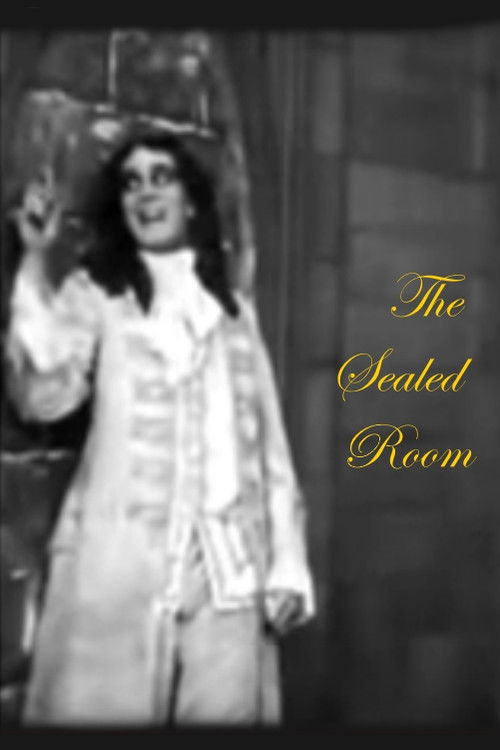
The Count sets out to make a private room for him and his Countess, built in such a way no one can see, hear, and most importantly, disturb them. But unbeknownst to the Count, his wife has set her eyes on the court minstrel. Based on Edgar Allan Poe's “The Cask of Amontillado” and Honoré de Balzac's “La Grande Breteche”.