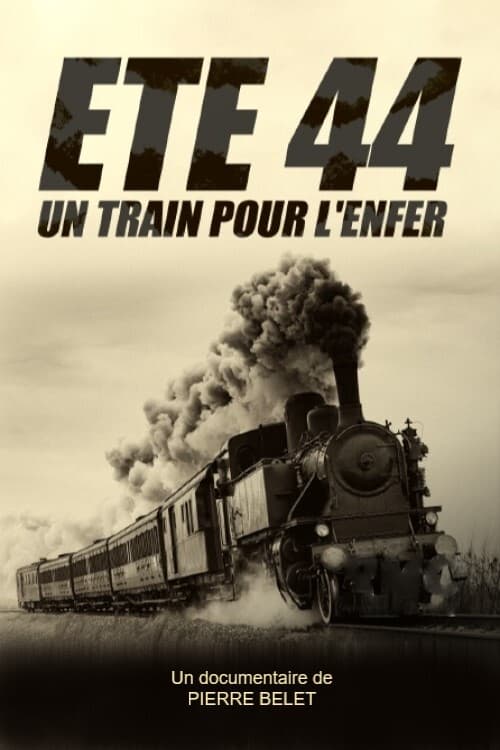
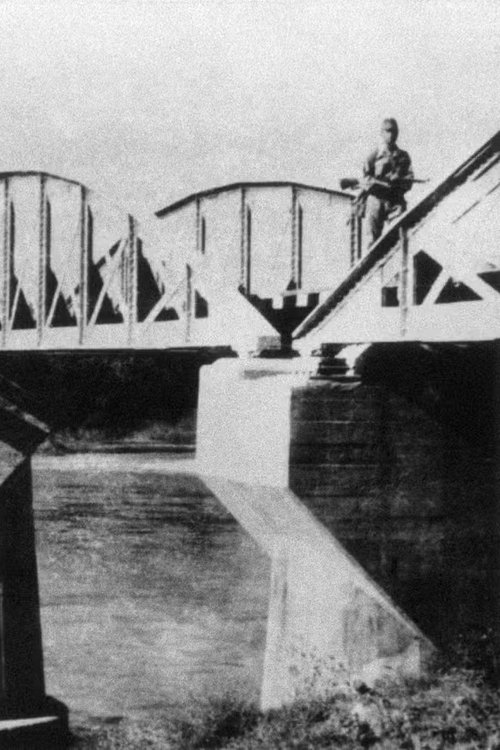
A short documentary about the construction of the parisian subway in the 50s.
No Trailers found.
No Cast found.
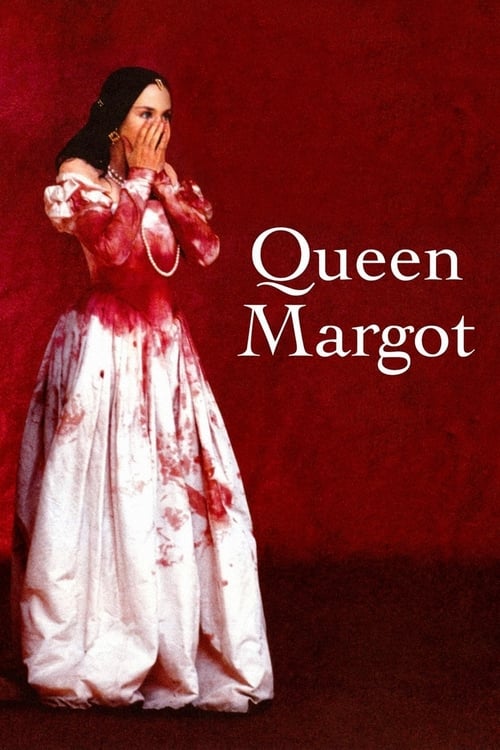
Paris, Kingdom of France, August 18, 1572. To avoid the outbreak of a religious war, the Catholic princess Marguerite de Valois, sister of the feeble King Charles IX, marries the Huguenot King Henry III of Navarre.
No overview available.
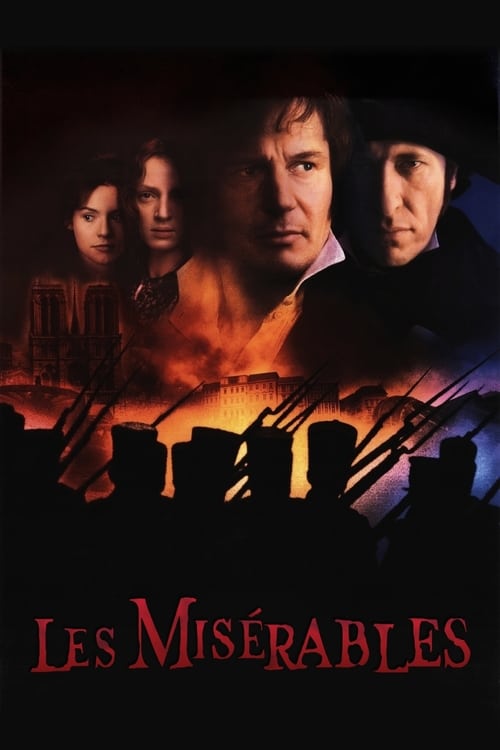
In 19th century France, Jean Valjean, a man imprisoned for stealing bread, must flee a relentless policeman named Javert. The pursuit consumes both men's lives, and soon Valjean finds himself in the midst of the student revolutions in France.
Paris, France, during the First World War. While thousands of soldiers die every day on the battlefields, Henri Landru, a seemingly respectable furniture dealer, married and father of four children, relentlessly feeds his own sinister factory of death.
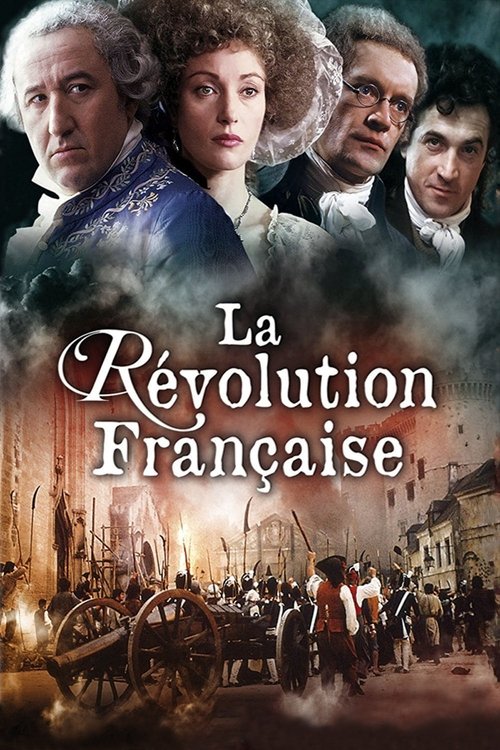
A history of the French Revolution beginning from the decision of the king to convene the Etats-Generaux in 1789 in order to deal with France's debt problem. Part one spans the event until August 10, 1792 (when the King Louis XVI lost all authority and was imprisoned). Part two carries the story through the end of the terror in 1794.
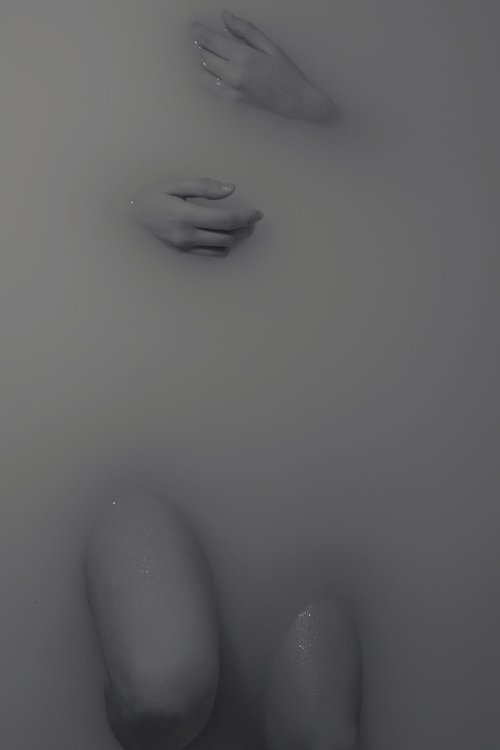
Paris, when a young artist discovers a mysterious drowned woman, his obsession to immortalize her in a portrait threatens his sanity. Decades later, the photograph resurfaces, consuming a young journalist whose pursuit of the truth blurs the line between memory, myth, and madness.
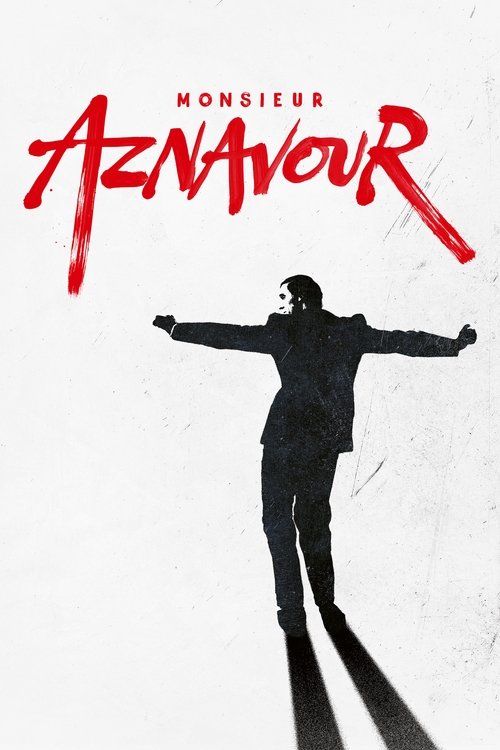
From his poor childhood to his rise to fame, from his triumphs to his failures, from Paris to New York, discover the exceptional journey of an artist. Intimate, intense, fragile and indestructible, devoted to his art until the very end, here is one of the most immortal singers of all time: MONSIEUR AZNAVOUR.
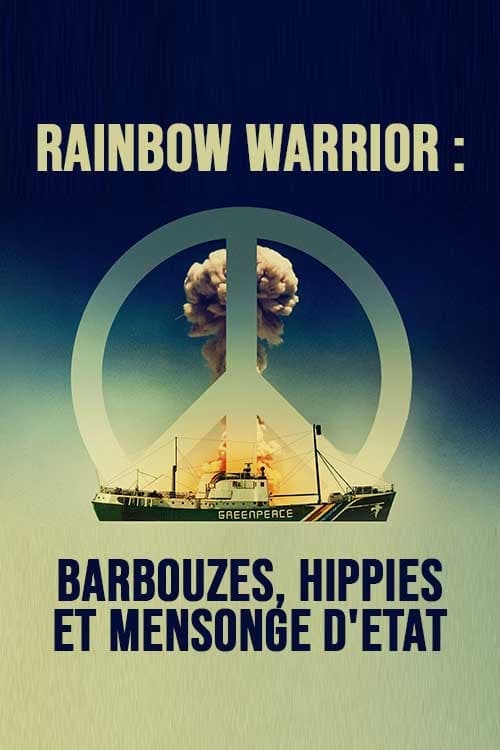
The Rainbow Warrior was a Greenpeace ship that was bombed by operatives of the French government, in New Zealand in 1985, while heading to a protest against nuclear testing, tragically taking the life of photographer Fernando Pereira. Edward McGurn’s enlightening and exciting documentary uncovers a tangled tale of nuclear weapons, geopolitical coverups, and attempts to take action against impending environmental collapse. Was Pereira’s death an accident or part of a larger political plot?
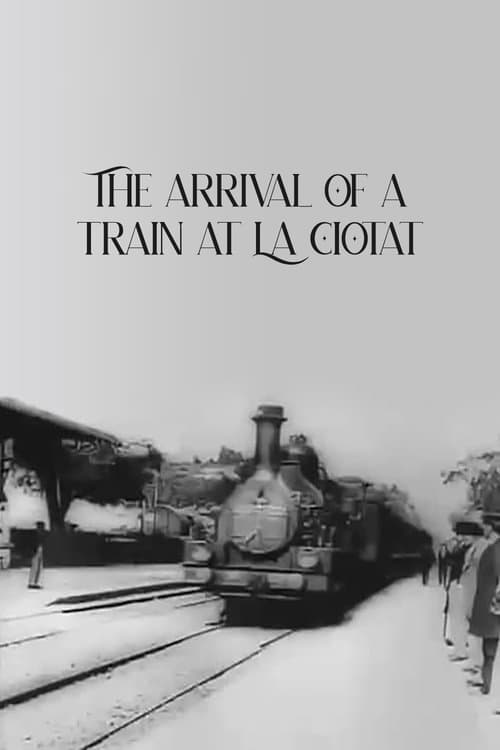
A group of people are standing along the platform of a railway station in La Ciotat, waiting for a train. One is seen coming, at some distance, and eventually stops at the platform. Doors of the railway-cars open and attendants help passengers off and on. Popular legend has it that, when this film was shown, the first-night audience fled the café in terror, fearing being run over by the "approaching" train. This legend has since been identified as promotional embellishment, though there is evidence to suggest that people were astounded at the capabilities of the Lumières' cinématographe.
A day in the city of Berlin, which experienced an industrial boom in the 1920s, and still provides an insight into the living and working conditions at that time. Germany had just recovered a little from the worst consequences of the First World War, the great economic crisis was still a few years away and Hitler was not yet an issue at the time.
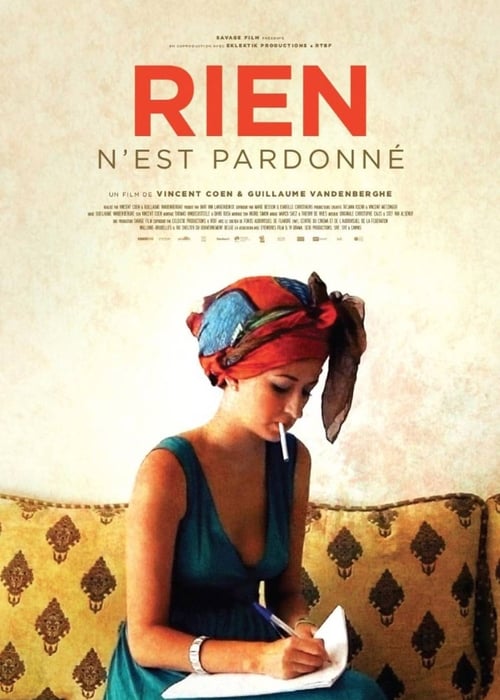
The story of Zineb El Rhazoui, a young Moroccan woman who, in the wake of the Charlie Hebdo attack, finds her life radically transformed : from a censored journalist in Morocco she becomes the most protected woman of France.
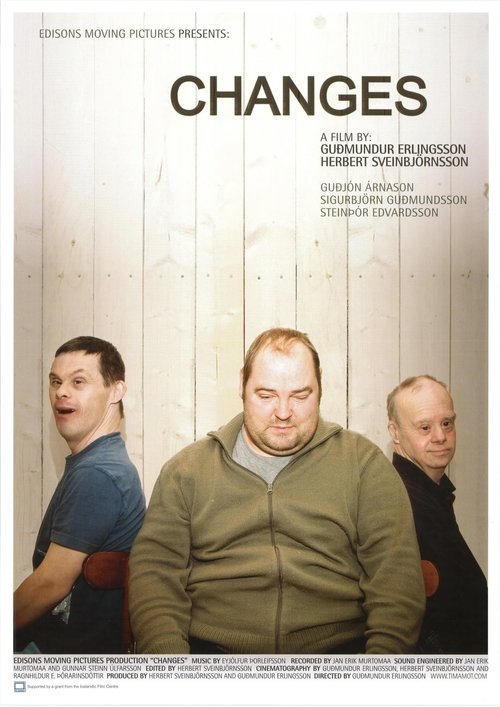
Tímamót, or Changes in English. An upbeat, heartwarming story about Gudjon, Sigurbjorn and Steinthor who lived together for decades along with several other inhabitants in the Tjaldanes Institution, in a peaceful valley close to Reykjavik. When a decision is made to close down the institution, their life takes an unexpected turn and they discover a new side to life and to themselves.
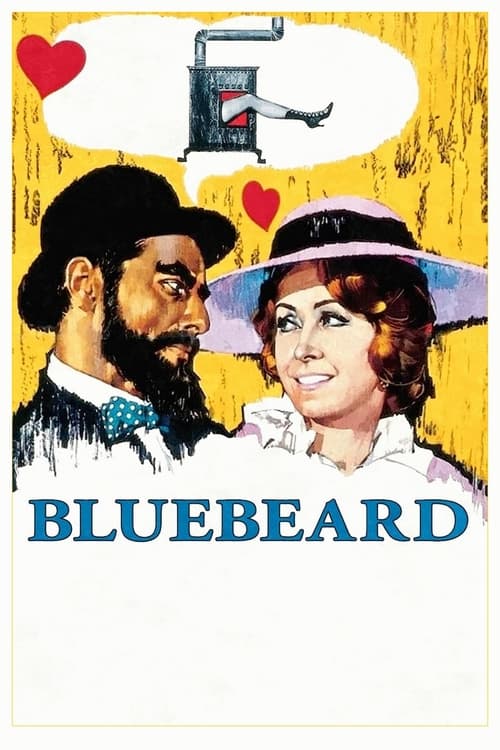
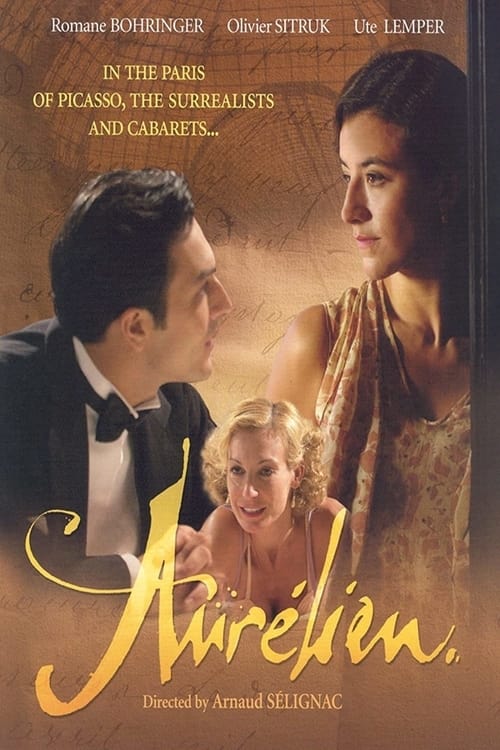
France, 1920s: An affluent ladies' man finds himself in love with a homely married woman.
Short film for Vice Media about the illusion of stability, freedom, and prosperity in the West, comparing it to life in the Soviet Union during the 1970s. Ends with a trailer for HyperNormalisation.
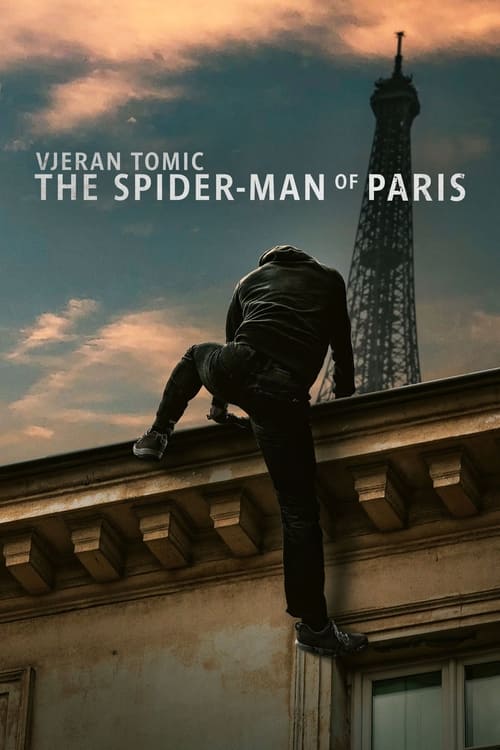
In his own words, the burglar behind the 2010 robbery of the Paris Museum of Modern Art tells how he pulled off the biggest art heist in French history.
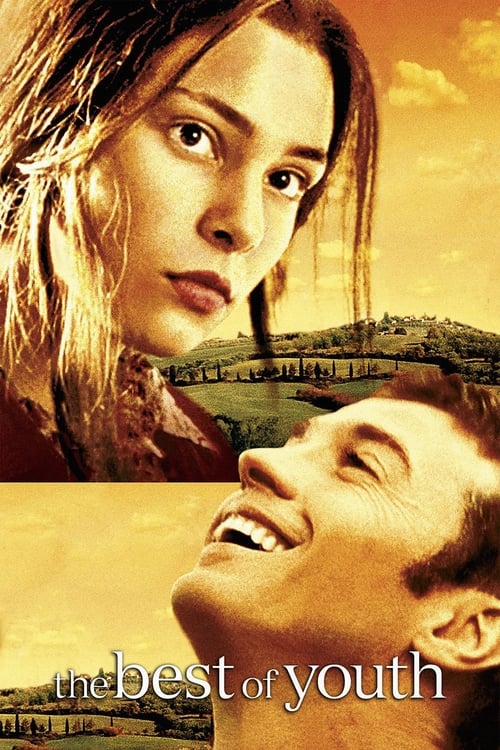
After a fateful encounter in the summer of 1966, the lifepaths of two brothers from a middle-class Roman family diverge, intersecting with some of the most significant events of postwar Italian history in the following decades.