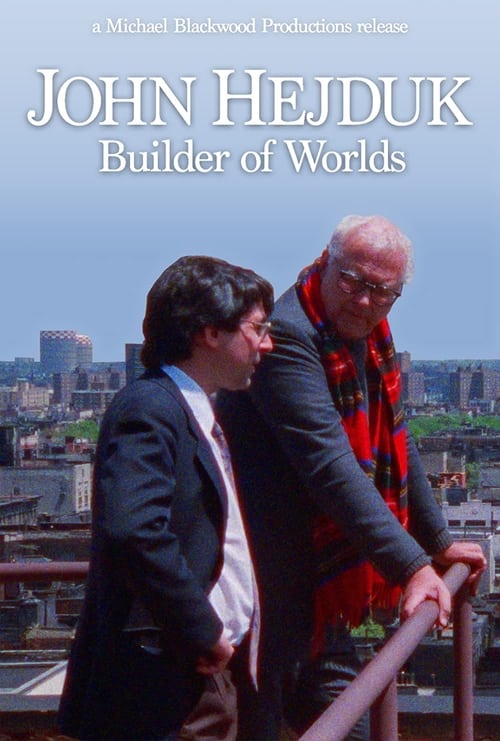
A poet among architects and an innovator among educators, John Hejduk converses with poet David Shapiro at The Cooper Union about the mystery and spirit of architecture. His own sketches and structures are shown
No Trailers found.
Himself
A documentary film about Seoul City Hall Construction. The construction project has a hard going in every way. A city plan, excessive administrative notions, a design and all got mingled up. Can the project sail, yes?
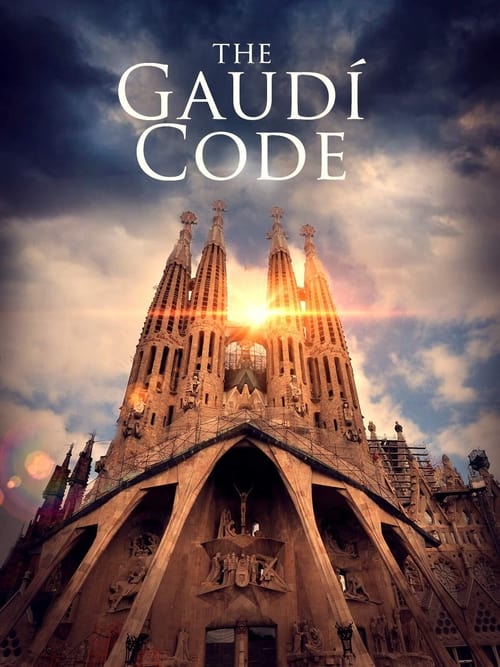
La Sagrada Familia – although still under construction in Barcelona – is a cathedral without any flaws. Almost 100 years after his death, experts are convinced that Gaudi was a mathematical genius and that each embellishing ornament of the Sagrada Familia actually serves an architectural purpose.
No overview available.
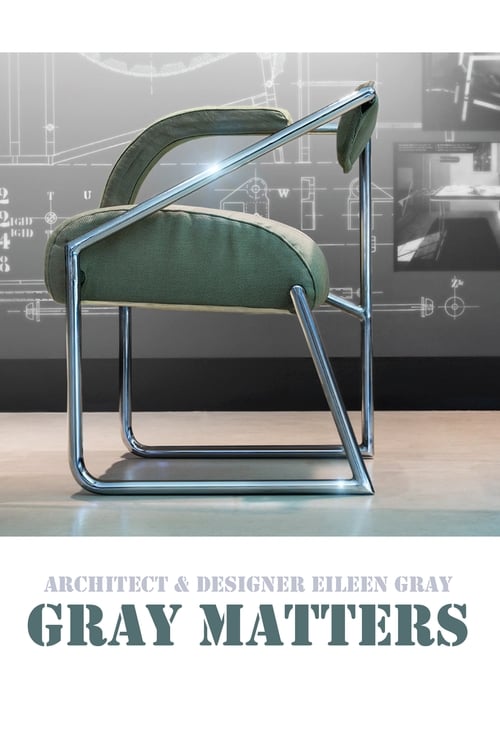
Gray Matters explores the long, fascinating life and complicated career of architect and designer Eileen Gray, whose uncompromising vision defined and defied the practice of modernism in decoration, design and architecture. Making a reputation with her traditional lacquer work in the first decade of the 20th century, she became a critically acclaimed and sought after designer and decorator in the next before reinventing herself as an architect, a field in which she laboured largely in obscurity. Apart from the accolades that greeted her first building –persistently and perversely credited to her mentor–her pioneering work was done quietly, privately and to her own specifications. But she lived long enough (98) to be re-discovered and acclaimed. Today, with her work commanding extraordinary prices and attention, her legacy, like its creator, remains elusive, contested and compelling.
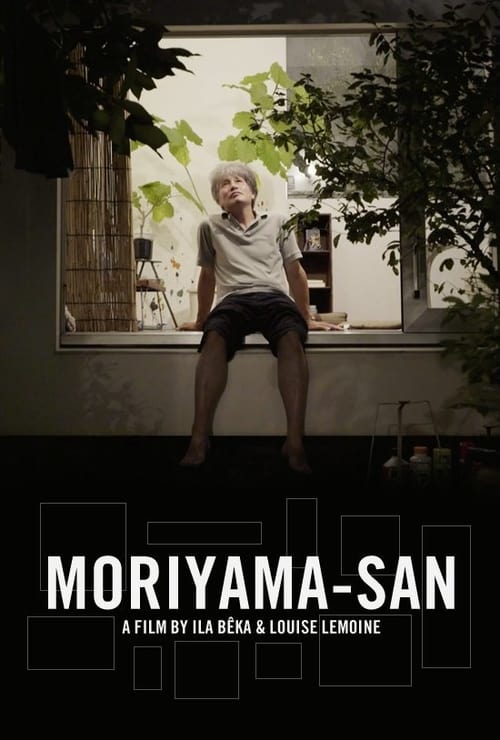
One week in the extraordinary-ordinary life of Mr. Moriyama, a Japanese art, architecture and music enlighted amateur who lives in one of the most famous contemporary Japanese architecture, the Moriyama house, built in Tokyo in 2005 by Pritzker-prize winner Ryue Nishizawa (SANAA). Introduced in the intimacy of this experimental microcosm which redefines completely the common sense of domestic life, Ila Bêka recounts in a very spontaneous and personal way the unique personality of the owner: a urban hermit living in a small archipelago of peace and contemplation in the heart of Tokyo. From noise music to experimental movies, the film let us enter into the ramification of the Mr. Moriyama's free spirit. Moriyama-San, the first film about noise music, acrobatic reading, silent movies, fireworks and Japanese architecture!
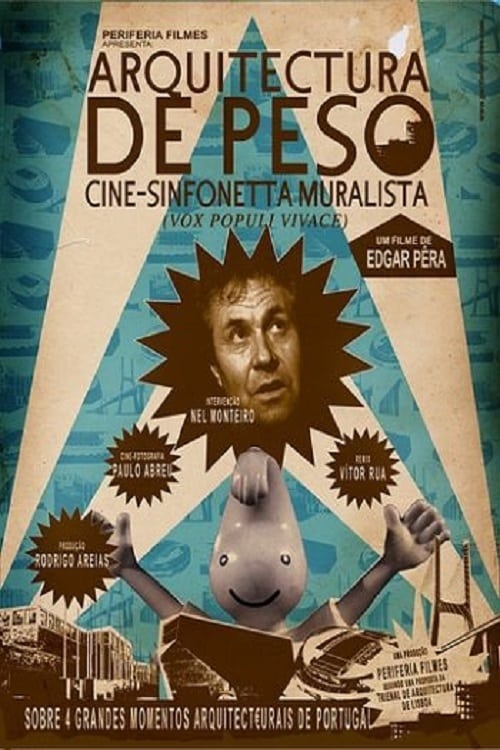
Documentary about 4 large architectural landmarks that projected Portugal abroad.
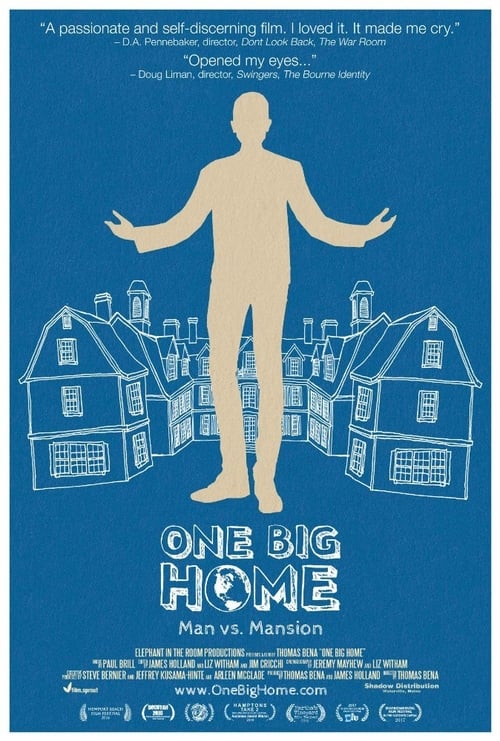
On the tiny island of Martha's Vineyard, where presidents and celebrities vacation, trophy homes threaten to destroy the islands unique character. Twelve years in the making, One Big Home follows one carpenters journey to understand the trend toward giant houses. When he feels complicit in wrecking the place he calls home, he takes off his tool belt and picks up a camera.
In the same vein as Meri's other documentations, this one takes advantage of the glasnost policy to discuss the social and ecologic impact of the Russian oil industry on the natives and the lands they inhabit.
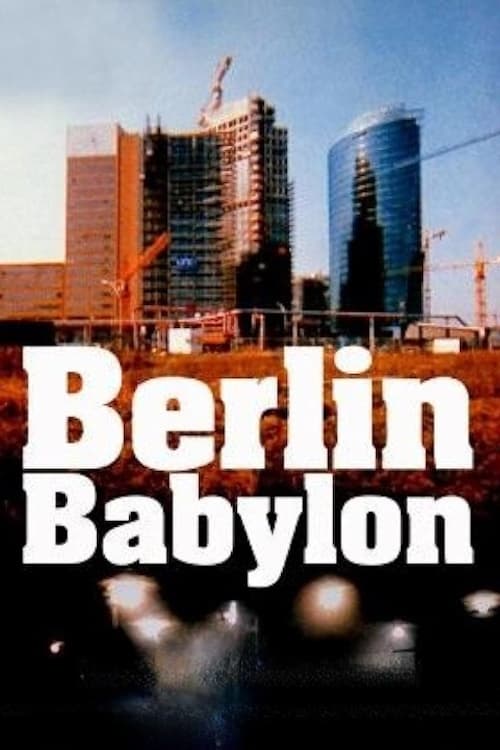
A documentary focusing on the rebuilding projects in Berlin after the fall of the Berlin Wall.
Poème Électronique is an 8-minute piece of electronic music by composer Edgard Varèse, written for the Philips Pavilion at the 1958 Brussels World’s Fair. The Philips corporation commissioned Le Corbusier to design the pavilion, which was intended as a showcase of their engineering progress. The pavilion was shaped like a stomach, with a narrow entrance and exit on either side of a large central space. As the audience entered and exited the pavilion, the electronic composition Concret PH by Iannis Xenakis (who also acted as Le Corbusier's architectural assistant for the pavilion's design) was heard. Poème électronique was synchronized to a film of black and white photographs selected by Le Corbusier which touched on vague themes of human existence.
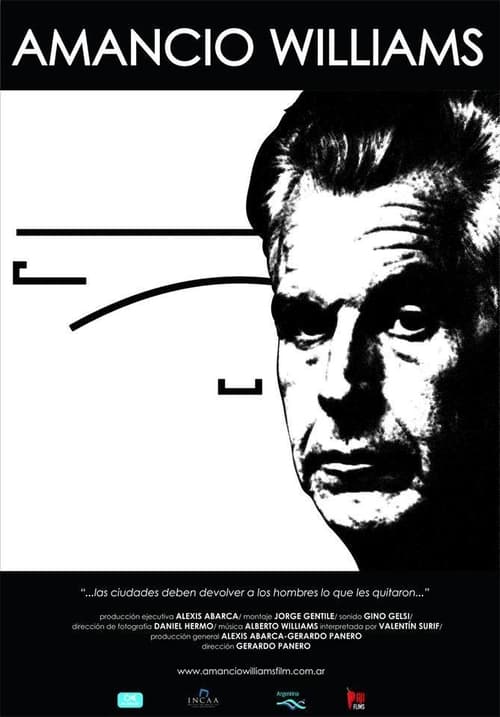
A biography documentary of the Argentine modernist architect Amancio Williams.
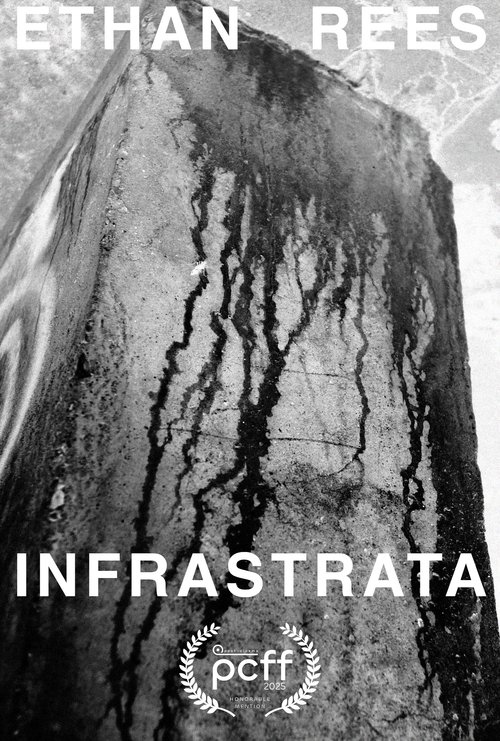
Amongst the contemplative static shots of decaying architecture weaves an abstract narrative unveiling the life-cycle of a higher perception, too large to perceive. Shot at various sites across south-east England, INFRASTRATA is a study on the concept of super-organisms, and the relationship between structure and nature.
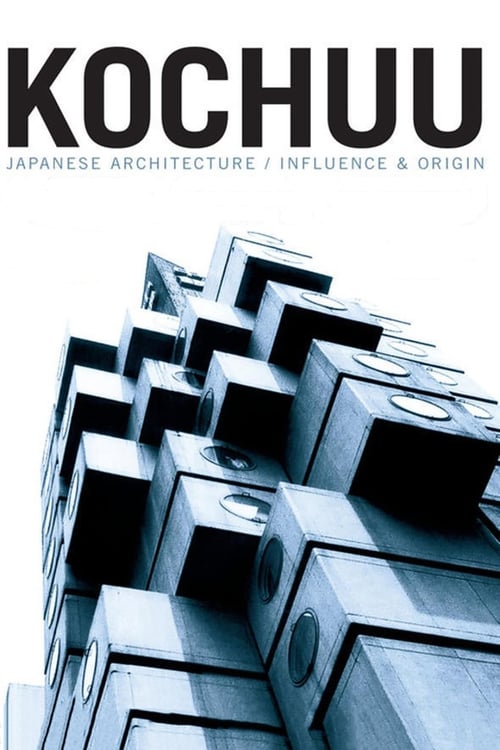
A film about modern Japanese architecture, its roots in the Japanese tradition and its impact on the Nordic building-tradition. Winding its way through visions of the future, traditions, nature, concrete, gardens and high-tech, KOCHUU tells us how contemporary Japanese architects strive to unite the ways of modern man with the old philosophies in astounding constructions. Interviews with, and works by, Japanese architects Tadad Ando, Kisho Kurokawa, Toyo Ito and Kazuo Shinohara and Scandinavian architects Sverre Fehn, Kristian Gullichsen and Juhani Pallasmaa.
The award-winning feature-length documentary about the revolutionary and brilliant Chicago architect Louis Sullivan (1856-1924). Known by historians as the 'father of the skyscraper' and creator of the iconic phrase 'form follows function,' Sullivan was on top of his profession in 1890. Then a series of setbacks plunged him into destitute obscurity from which he never recovered. Yet his persistent belief in the power of his ideas created some of America's most beautiful buildings ever created, and inspired Sullivan's protégé, Frank Lloyd Wright, to fulfill his own dream of a truly American style of architecture.
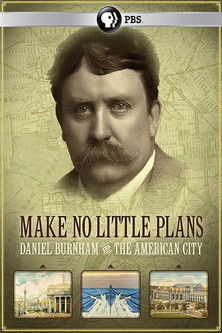
Make No Little Plans: Daniel Burnham and the American City reveals the fascinating life and complex legacy of architect and city planner Daniel Hudson Burnham. In the midst of the late nineteenth century urban disorder, Burnham offered a powerful vision of what a civilized American city could look like, one that provided a compelling framework for Americans to make sense of the world around them. A timely, intriguing story in the American experience, Make No Little Plans explores Burnham's impact on the development of the American city as debate continues today about what urban planning means in a democratic society.
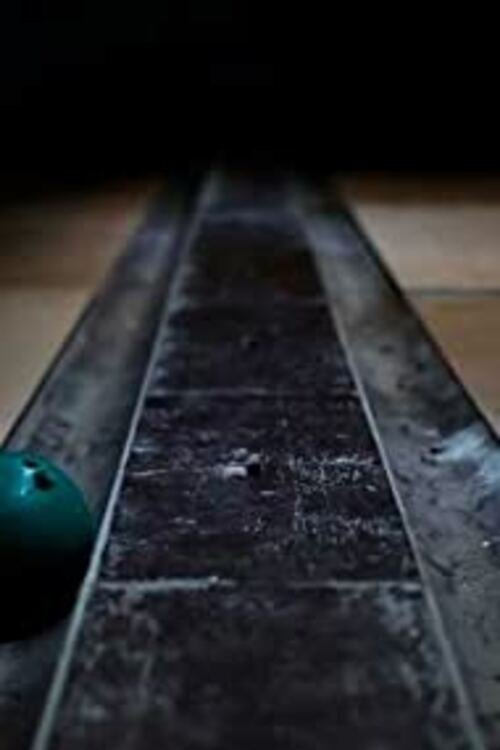
The “Bowlingtreff” is a bowling alley situated right in the centre of Leipzig opened in July 1987. At that time the quality of life in Leipzig and the whole GDR got worse. Houses collapsed because of poor conditions, public life and amusement was on a very low level. The “Bowlingtreff” was not merely an urban entertainment centre but a revolution in those days. Built with the help of hundreds of volunteers without permission of the state authorities in Berlin the building expresses a free and international architecture known as postmodernism. It is an architecture that was never seen before in Leipzig. Marble and parquet on the floor, a glass roof and beautiful pink pillars. The atmosphere was western as time witnesses remember it.
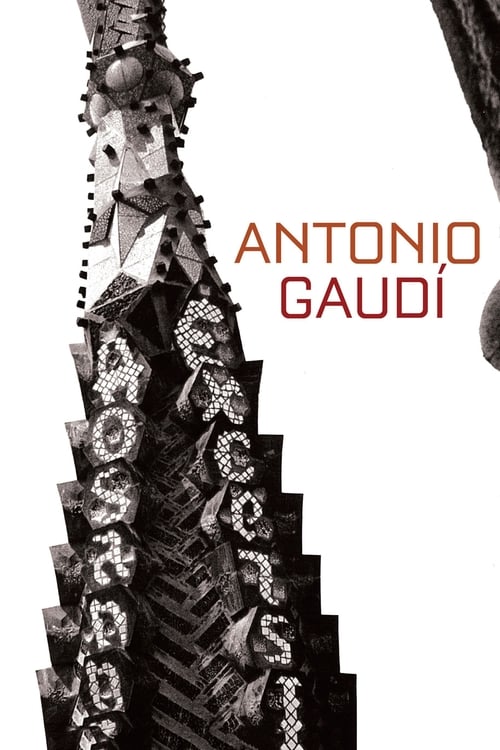
Catalan architect Antonio Gaudí (1852-1926) designed some of the world's most astonishing buildings, interiors, and parks; Japanese director Hiroshi Teshigahara constructed some of the most aesthetically audacious films ever made. With camera work as bold and sensual as the curves of his subject's organic structures, Teshigahara immortalizes Gaudí on film.
Documentary showing buildings made by great architect Joze Plecnik in Prague, Wien, Ljubljana...
This film is a portrait of unique cultural space for Spirits, Gods and People. While permanent theatres are commonly built in most cosmopolitan modern cities, Hong Kong preserves a unique theatrical architecture, a Chinese tradition that has lasted more than a century - Bamboo Theatre.