Himself
Narrator
No Trailers found.
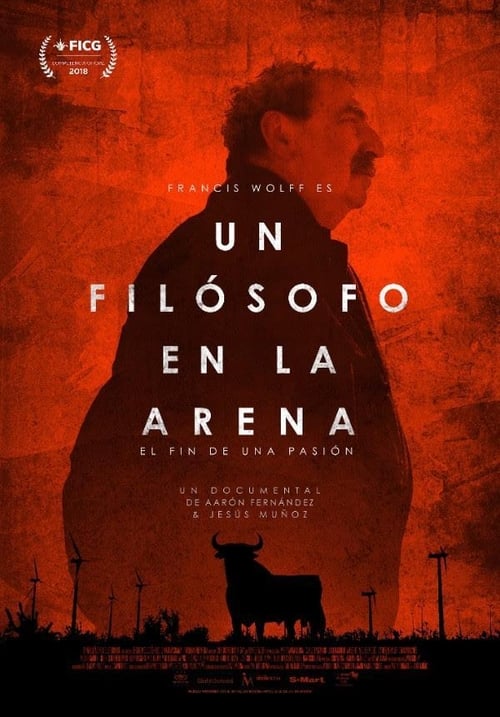
After his retirement, french philosopher and bullfighting enthusiast Francis Wolff decides to embark on a journey to France, Spain and Mexico joined by two mexican filmmakers who hardly know anything about bullfighting, a culture whose days seem to be numbered. During their road trip, they encounter numerous personalities with whom they reflect on mankind’s relationship with animals and nature, but most importantly on our relationship with death and the meaning of the ultimate journey: life itself.
Before orchestrating the greatest bullfighting seasons as an impresario, Simon Casas was a bullfighter—and thus began his journey.
No overview available.
Juanito, a peaceful fan of bullfighting, has become picador's assistant to see from the same arena the show in which he brags he is one of the protagonists. Furthermore, he believes he has discovered in a neighbor a potential figure of bullfighting sphere.
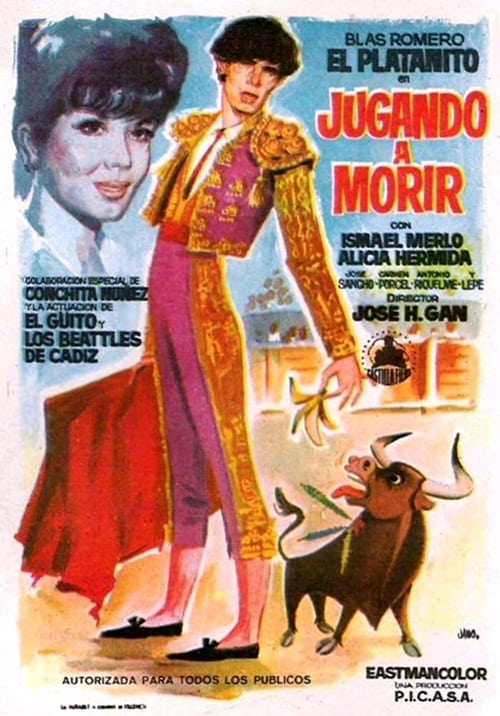
Blas Romero "El Platanito" is a bullfighter who begins to take its first steps in Merida. After a long journey, one day he is lucky enough, his performance is showed on TV and that brings him to top of the charts. From now on, his problems will be centered with the dilemma of having to give up their dreams of making serious classical bullfighting, or jump to a false bullfighting, between slapstick and temerity, which will give offer him numerous well-paid contracts.
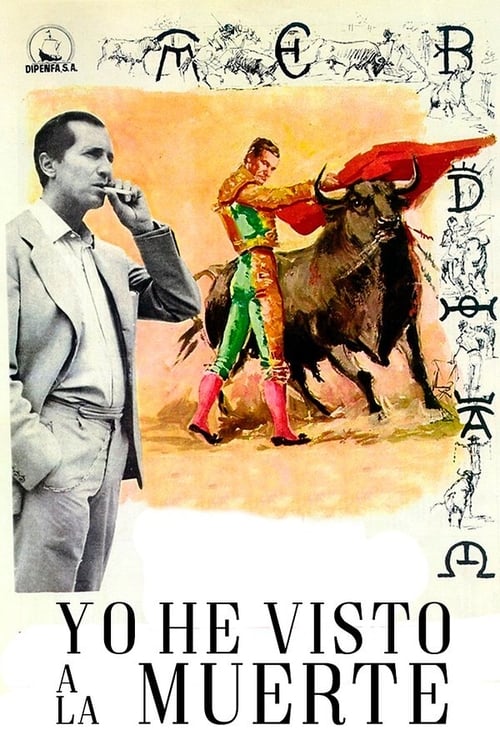
Four real episodes told by their protagonists: Antonio Mejías "Bienvenida" tells the serious goring he suffered in the Plaza de Las Ventas and his recovery process. Álvaro Domecq Romero evokes the last days of the life of the mare "Splendid", the noble animal that was brave and sensitive companion of his father. Andrés Vázquez tells how the times of the "capeas" were in little villages. With him were many unknown kids, who found an anonymous and obscure death. Finally, Luis Miguel "Dominguín", who was with Manolete, in Linares, the afternoon in which he met his death, evokes that tragic afternoon and glosses the bullfighter's human virtues. The four protagonists have seen the death in one way or another and the four tell the indelible impression that remained on them.
A young pair from Stuttgart fly to Shanghai to hop aboard the textile business of his father while she prepares for the birth of their son. A story about the ever more common movement of Germans into the East for professional gain.
The humorous portrait of a female artist. The film follows the career of 24-year-old Janine F. who in 2002 caused a commotion from the rooftop of a Berlin building.
In a contemporary reimagining of the American West, three young women - a snake hunter, a New York artist, and a rodeo queen - challenge the idea of who is permitted to be a cowgirl.
"La Gigue" (Gaumont #590) is part of the "Miss Lina Esbrard. Danseuse cosmopolite et serpentine" series of 4 films, and should not be confused with "Danse excentrique" (Gaumont #587), "Danse serpentine" (Gaumont #588, the only extant film in the series), or "Danse fantaisiste" (Gaumont #589).
Sun Araw and M. Geddes Gengras meet legendary dub reggae group The Congos in St. Catherine, Jamaica and create the full-length album, ICON GIVE THANK. In conjunction, RVNG released ICON EYE, a feature film documenting the young musicians’ time spent living and learning The Congos way. The visual companion to the musical fruit of GIVE THANK, ICON EYE, is a feature-length travelogue executively produced by Christine Vachon (Killer Films) and Randall Poster & Gelya Robb (Search Party Music).
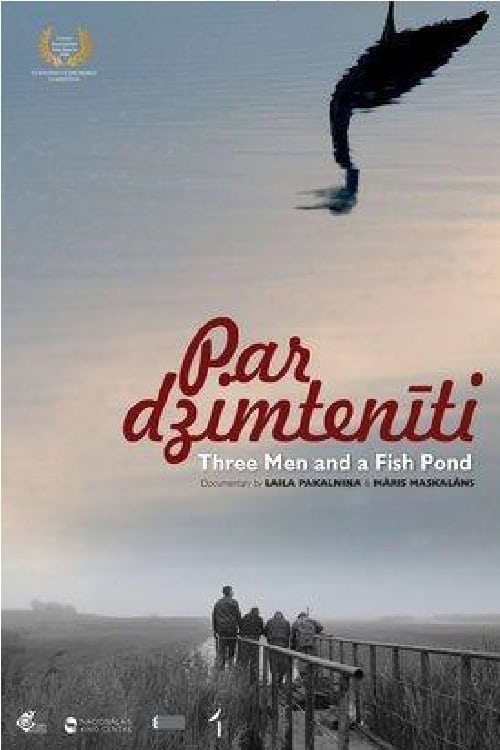
Three elderly country bachelors idle away their time amidst semi-wild nature, closer to birds and pond fish than to humans.
A story about life in two minutes.
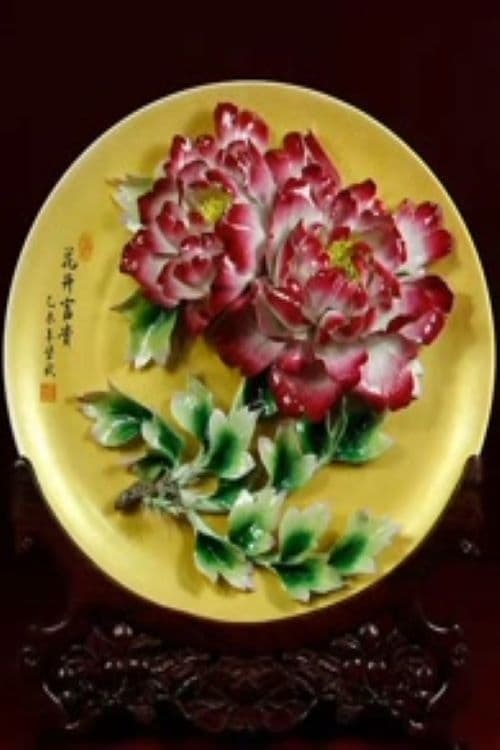
Ceramics expert Lars Tharp, Antiques Roadshow resident and presenter of Treasures of Chinese Porcelain, has picked his six favourite pieces representing Chinese taste. He goes on a journey through a thousand years of Chinese history, travelling from the ancient capital of Huangzhou in the south to Beijing's Forbidden City in the north, to uncover what these six pieces tell us about Chinese emperors, scholars, workers, merchants and artists. To him, they are China in ceramic form. But can they help us to understand China today?
Once upon a time there was a chimney. By the chimney - there were three houses. In the houses there were seven girls. All of them - blondes.
A film about the daily life of Martin, a handicapped child who will always be dependent on his parents. Ever since he was very small, Martin has had to get around in a wheelchair and has needed the constant help of an adult. Martin’s parents, Inga and Andris Skesteri, tell about their life, about their son’s character and about their hopes for the future.
As World War II looms, Pope Pius XI calls on a humble American priest to help him challenge the evils of Nazism and anti-Semitism. But death intervenes, and Pope Pius XII now carries out a very different response to Hitler and the Holocaust.
An intimate portrait of the man, the composer, and his connection to the two rivers of his life: the Sông Hương (Perfume River) in his home city of Huế, and the Marne River near Paris, where he has been living for nearly four decades.