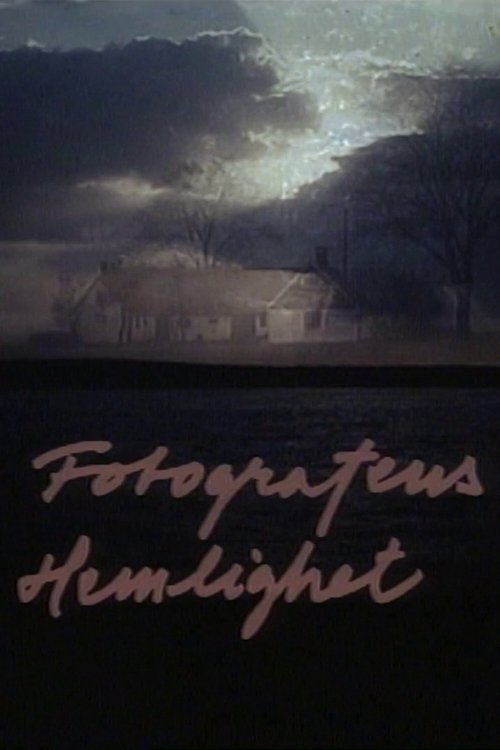
Portrait of photographer Bengt Åke Kimbré where he narrates his own life story accompanied by his photographs.
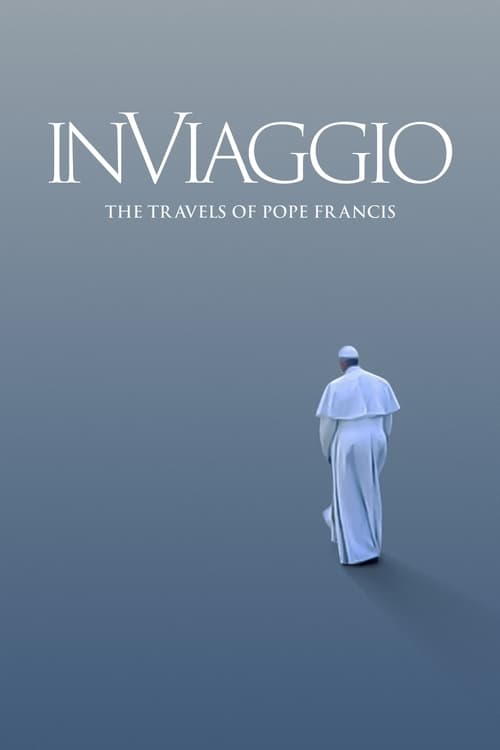
A chronicle of the first nine years of Pope Francis' pontificate, including trips to 53 countries, focusing on his most important issues - poverty, migration, environment, solidarity, and war - while also giving rare access to the public life of the pontifical.
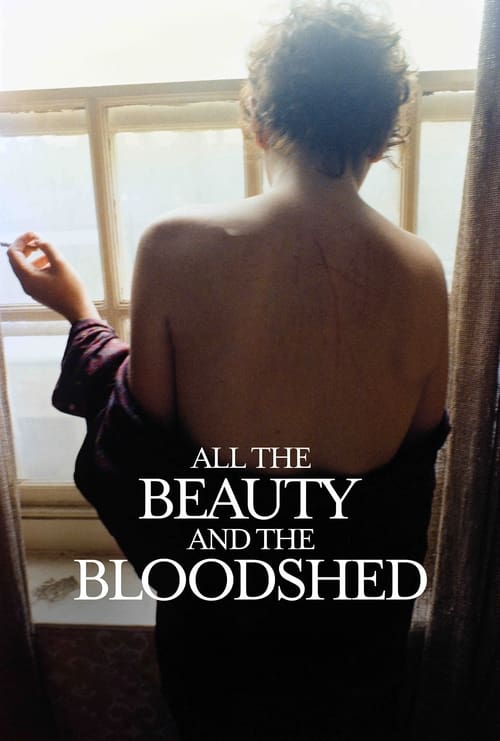
The life of internationally renowned artist and activist Nan Goldin is told through her slideshows, intimate interviews, ground-breaking photography, and rare footage of her personal fight to hold the Sackler family accountable for the overdose crisis.
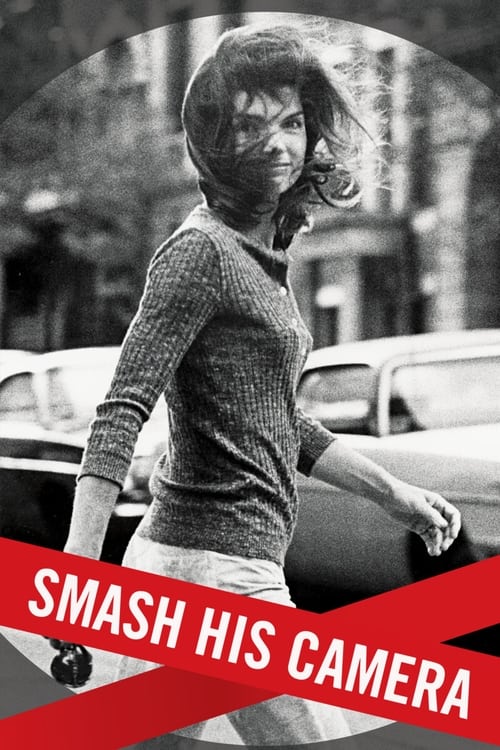
A film centering on the life and work of Ron Galella that examines the nature and effect of paparazzi.
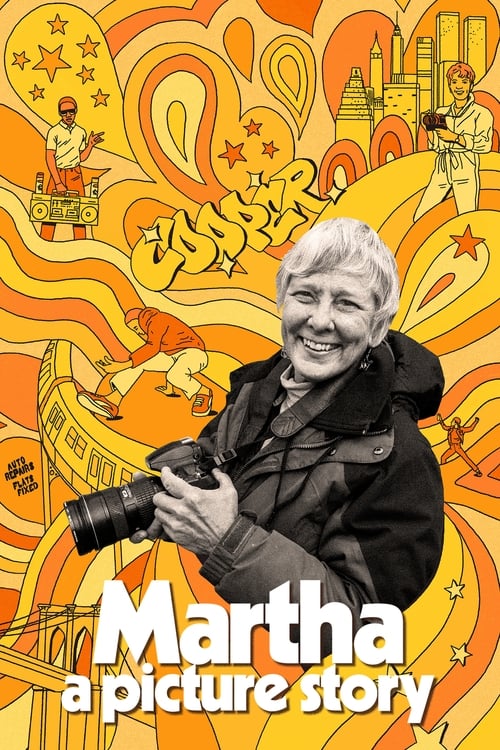
In 1970s New York, photographer Martha Cooper captured some of the first images of graffiti at a time when the city had declared war on it. Decades later, Cooper has become an influential godmother to a global movement of street artists.
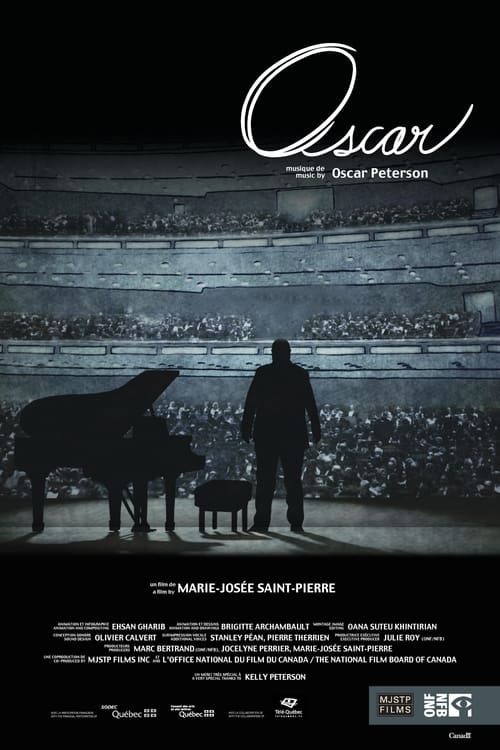
Brilliantly mixing animated sequences and archival footage, Marie-Josée Saint-Pierre paints a touching portrait of virtuoso pianist Oscar Peterson.
In May 1989, just a few months before the fall of the Berlin Wall, the first "Miss Leipzig" contest was held in Leipzig, a competition that required not only beauty but also knowledge of the city and its history. Leipzig photographer Gerhard Gäbler won 20 of the candidates for a double portrait that showed them at work and in their private lives. 18 years later, the filmmaker and the photographer sought out the now 40-year-olds and asked them about their motivation at the time. The film documents resolute, ambitious, intelligent and self-confident women who are representative of a generation that was often able to make more of the opportunities offered by the "turnaround" than those ten or twelve years older.
Traces the life and mental illness of New York artist and photographer Ruth Litoff, and her sister's struggle to come to terms with her tragic suicide.
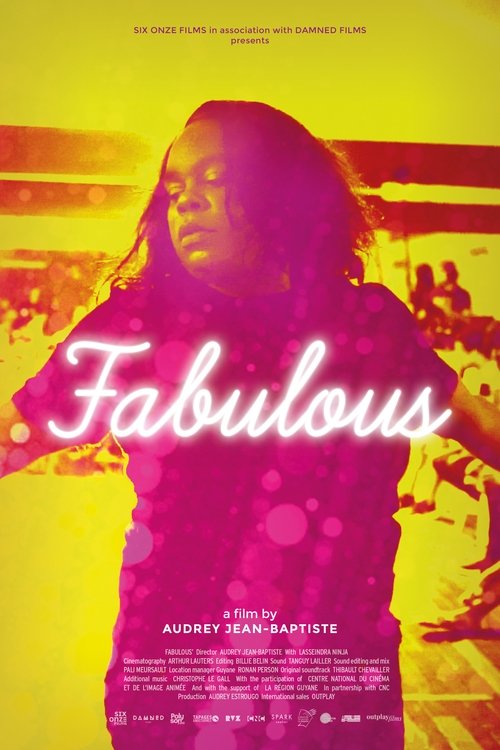
Ninja is famous around the world for her fierce ballroom performances, but she is not as well-known in her native country of French Guyana. But a trip home to teach a workshop might change that.
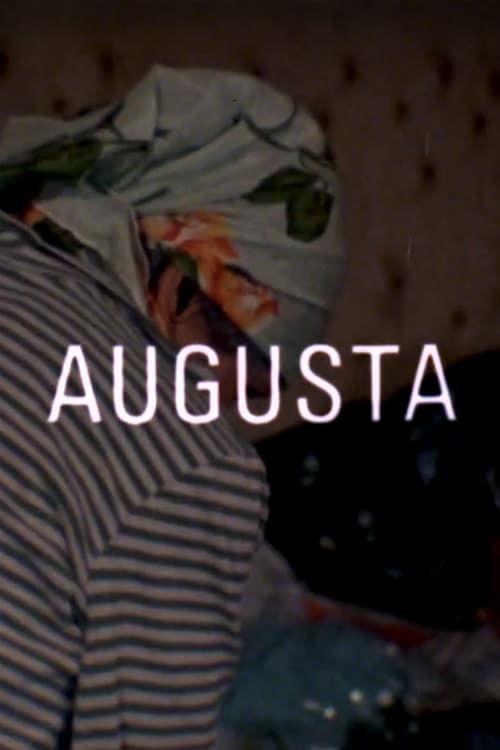
This short documentary is the portrait of an 88-year-old woman who lives alone in a log cabin without running water or electricity in the Williams Lake area of British Columbia. The daughter of a Shuswap chief, Augusta lost her Indian status as the result of a marriage to a white man. She recalls past times, but lives very much in the present. Self-sufficient, dedicated to her people, she spreads warmth wherever she moves, with her songs and her harmonica.
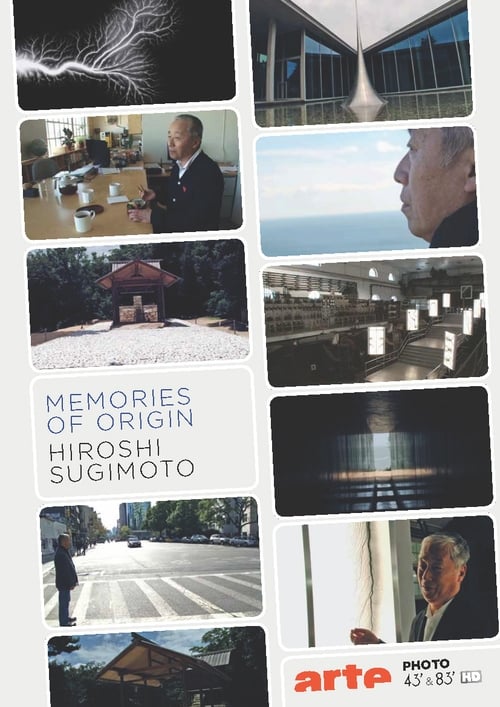
This documentary follows 200 days in the life of contemporary artist Hiroshi Sugimoto— a leading presence in the world of modern art. He is the winner of many prestigious awards and his photographs are sold for millions of yen at overseas auctions. The film shows the sites of the Architecture series shot in southern France, the huge installation art work at 17th Biennale of Sydney, his new work Mathematics at Provence, his art studio while working on Lightning Fields, and more. It thoroughly pursues the question Sugimoto's works pose - "living in modern times, what are these works trying to tell us?" A thrilling look into the world of Hiroshi Sugimoto.
Sylvia Kristel – Paris is a portrait of Sylvia Kristel , best known for her role in the 1970’s erotic cult classic Emmanuelle, as well as a film about the impossibility of memory in relation to biography. Between November 2000 and June 2002 Manon de Boer recorded the stories and memories of Kristel. At each recording session she asked her to speak about a city where Kristel has lived: Paris, Los Angeles, Brussels or Amsterdam; over the two years she spoke on several occasions about the same city. At first glance the collection of stories appears to make up a sort of biography, but over time it shows the impossibility of biography: the impossibility of ‘plotting’ somebody’s life as a coherent narrative.
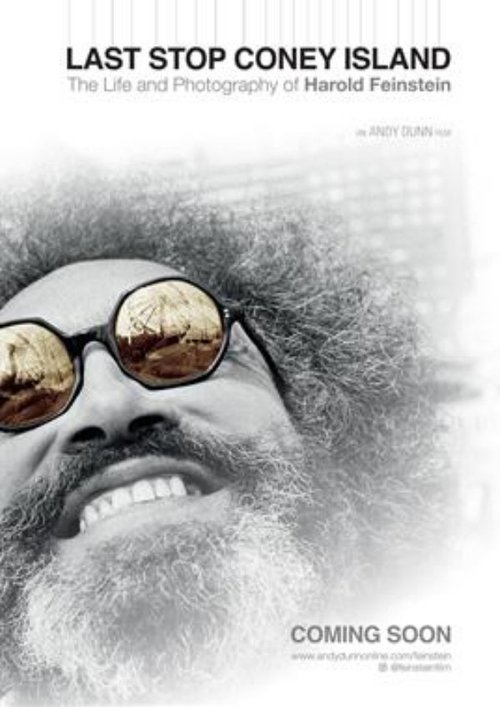
He found fame in his teens with images of his native New York, then lost it again.
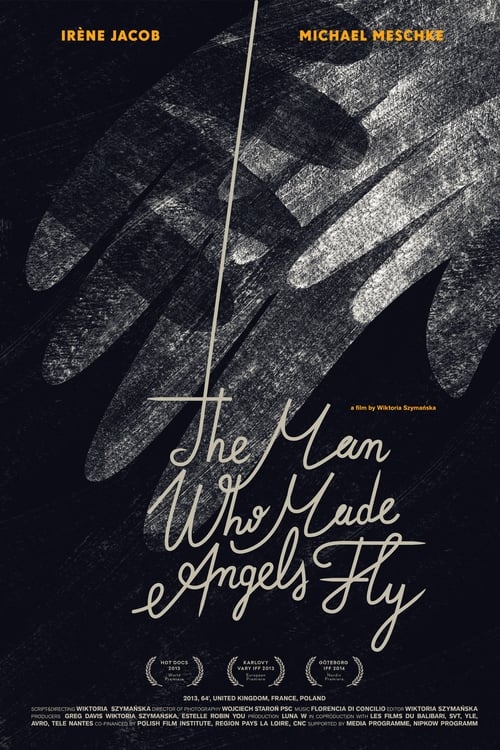
When the lights dim and the stage is revealed, Meschke channels life through the strings of his puppets, triggering the spiritual connection between the creator and his alter-egos: the charismatic Don Quixote, the loving Penelope, the inquisitive Baptiste, or the mysterious Antigone. THE MAN WHO MADE ANGELS FLY is a poetic story about a master of his craft that has inspired audiences to reflect upon common issues of suffering and the mortal coil. Visionary and un-biographic, imaginary tribute to the puppeteer.
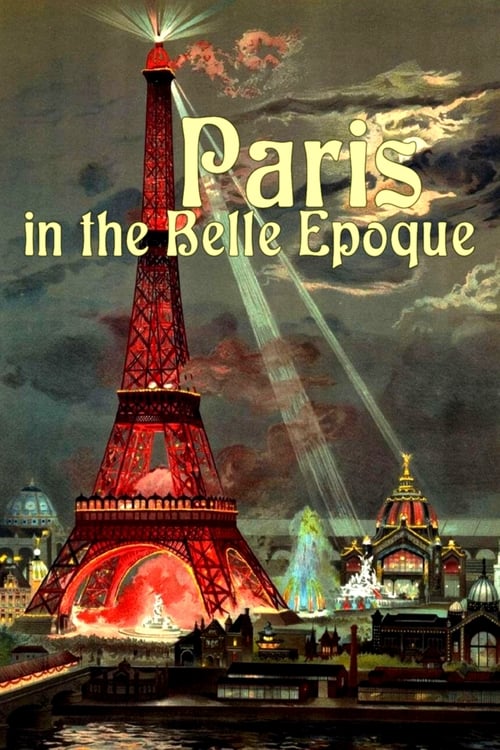
The Bokelberg photographic collection brings to life the Paris of the Belle Époque (1871-1914), an exhibition of workshops and stores with extremely beautiful shop windows before which the owners and their employees proudly pose, hiding behind their eyes the secret history of a great era.
This film tells the story of Markus Anatol Weisse, who, astonishingly enough, became an artist, in spite of being only very partially sighted. Markus also builds strange machine-like beings and wishes that he himself were a biological robot, or cyborg.
The documentary relates how in the second half of the 20th century the agent Berthold Barluschke was first a henchman of the State Security Service of the GDR and then of the West German Federal Intelligence Service.
Lesbian director Brigid McFall and lesbian photographer Vic Lentaigne create a series of intimate, revealing portraits of what it means to be lesbian in 2022, exploring why it is that so many young women who are sexually attracted to other women now prefer to identify as queer.
Following the 1884–85 Berlin Conference resolution on the partition of Africa, the Portuguese army uses a talented ensign to register the effective occupation of the territory belonging to the Cuamato people, conquered in 1907, in the south of Angola. A STORY FROM AFRICA enlivens a rarely seen photographic archive through the tragic tale of Calipalula, the Cuamato nobleman essential to the unfolding of events in this Portuguese pacification campaign.
This feature documentary is a profile of Canadian press tycoon Roy Thomson, whose single-minded attention to business brought him riches, power, and even a baronetcy in England. A native of Timmins, Ontario, Thomson had a tremendous career as publisher, television magnate, financier, and owner of many newspapers, including leading London dailies. The film is a frank study of an equally frank man.
Documentary about the creative process of photographer Lua Morales, produced by the studio Bad Chinchilla.
Self
No Trailers found.