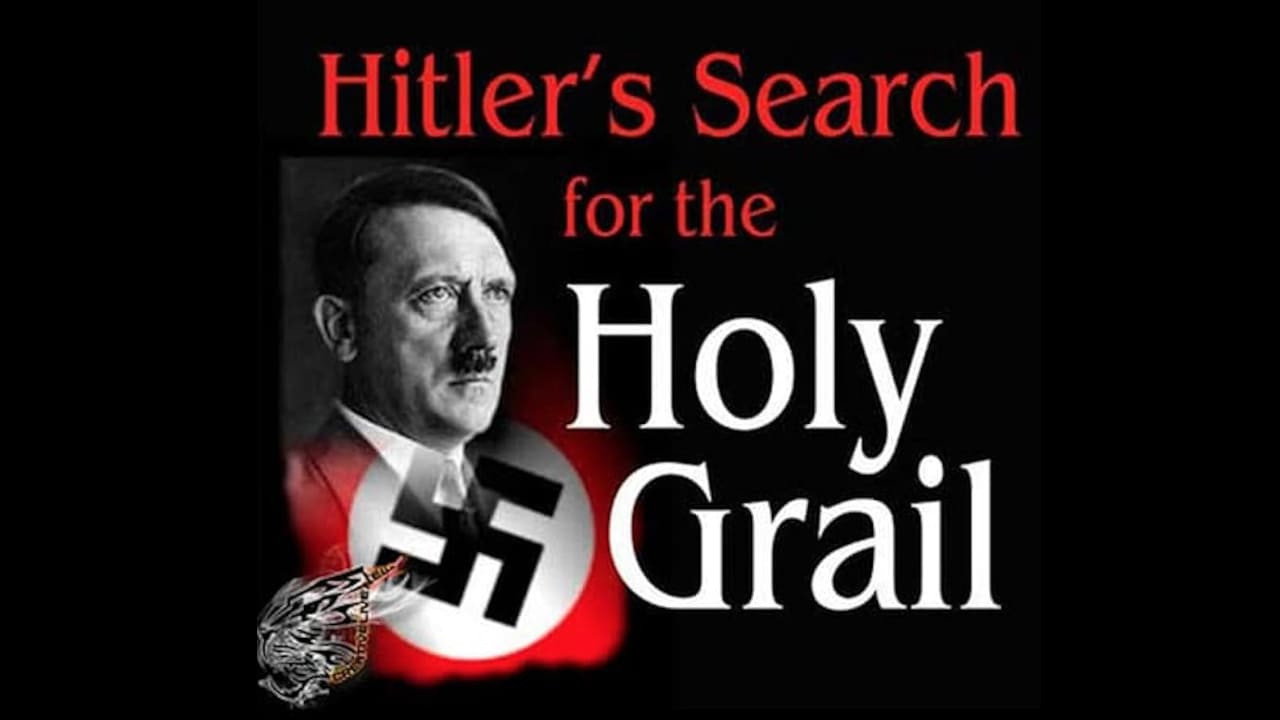
The worldwide Nazi search for archaeological and historical support for their beliefs in the Aryan (German) master race.
Narrator
No Trailers found.
Every year, the most beautiful, best and proudest representatives of German youth meet in Dresden to take to the streets together.
Everyone knows his name. The novels on the life and crimes of Hannibal Lecter are a worldwide phenomenon, and so are the movies and the TV show. Not mentionning the parodies, the plays... and even a wine named after him! He has become an icon of evil, but also of intelligence and refinement. Let's look back on the incredible Hannibal Lecter phenomenon.
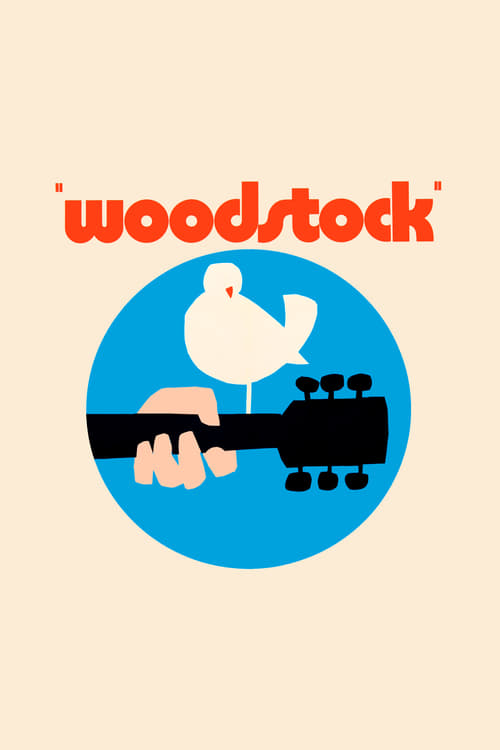
An intimate look at the Woodstock Music & Art Festival held in Bethel, NY in 1969, from preparation through cleanup, with historic access to insiders, blistering concert footage, and portraits of the concertgoers; negative and positive aspects are shown, from drug use by performers to naked fans sliding in the mud, from the collapse of the fences by the unexpected hordes to the surreal arrival of National Guard helicopters with food and medical assistance for the impromptu city of 500,000.
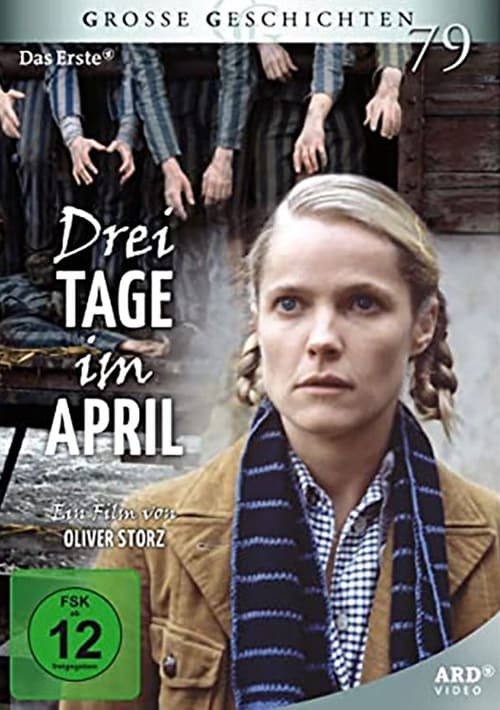
Shortly before the end of the war in 1945, the Allies can already be heard in Nesselbühl in Swabia when three freight cars are uncoupled at the station. The screams of the starving concentration camp prisoners inside can be heard throughout the village, but nobody dares to help them. Only the innkeeper's daughter Anna takes heart...
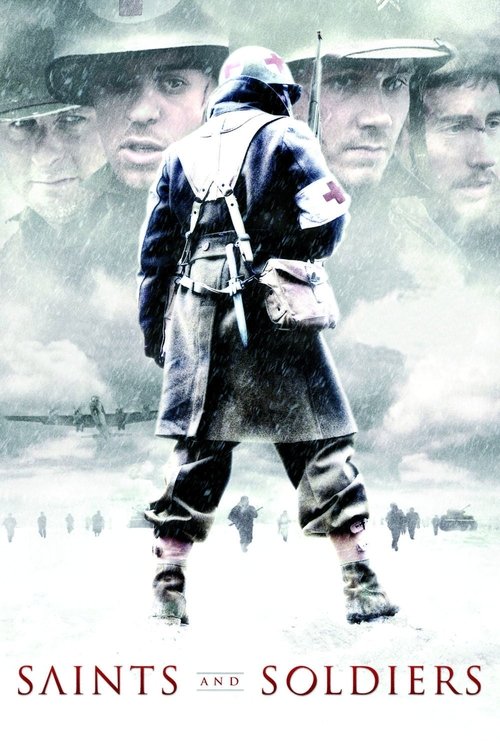
Five American soldiers fighting in Europe during World War II struggle to return to Allied territory after being separated from U.S. forces during the historic Malmedy Massacre.
No overview available.
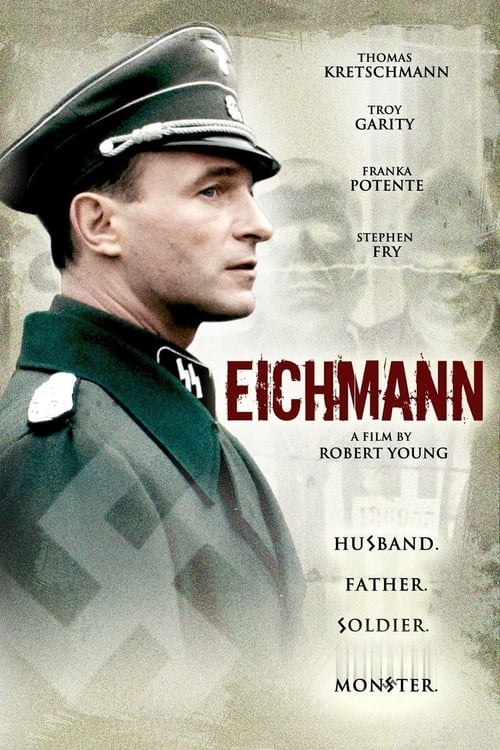
Based upon the final confession of Adolf Eichmann, made before his execution in Israel, of his role in Hitler's plan for the final solution.
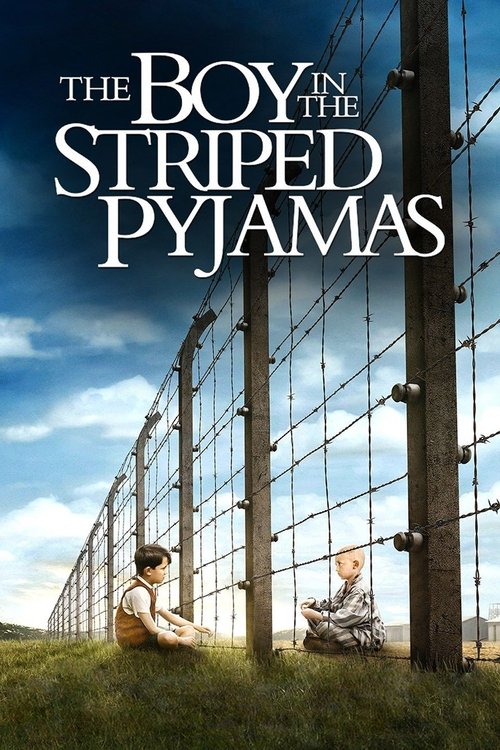
When his family moves from their home in Berlin to a strange new house in Poland, young Bruno befriends Shmuel, a boy who lives on the other side of the fence where everyone seems to be wearing striped pajamas. Unaware of Shmuel's fate as a Jewish prisoner or the role his own Nazi father plays in his imprisonment, Bruno embarks on a dangerous journey inside the camp's walls.
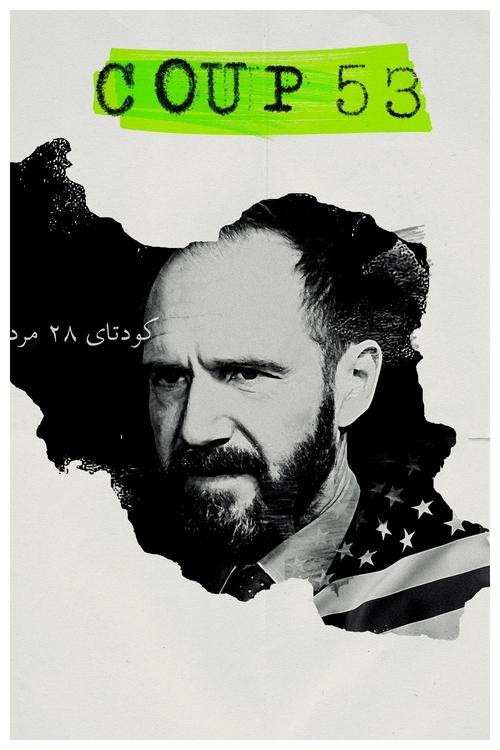
Tehran, Iran, August 19, 1953. A group of Iranian conspirators who, with the approval of the deposed tyrant Mohammad Reza Pahlavi, have conspired with agents of the British MI6 and the US CIA, manage to put an end to the democratic government led by Mohammad Mosaddegh, a dramatic event that will begin the tragic era of coups d'état that, orchestrated by the CIA, will take place, over the following decades, in dozens of countries around the world.
A mother investigating her son's mysterious death finds much more than she bargained for. Casting director Alicia Browning (Remick) takes leave of her job in NYC to investigate what happened to her son Mark (Browning) in Germany. Her persistence uncovers perplexing details that lead to the discovery of some very unsettling, and dark personal memories!
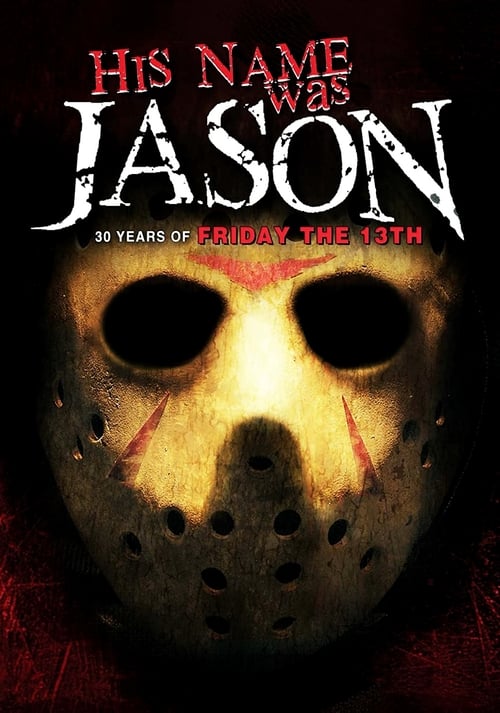
A retrospective documentary about the groundbreaking horror series, Friday the 13th, featuring interviews with cast and crew from the twelve films spanning 3 decades.
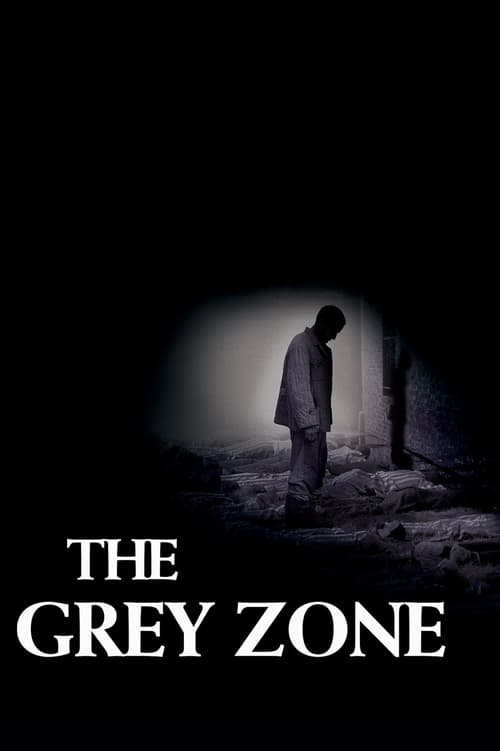
The story of Auschwitz's twelfth Sonderkommando — one of the thirteen consecutive "Special Squads" of Jewish prisoners placed by the Nazis in the excruciating moral dilemma of assisting in the extermination of fellow Jews in exchange for a few more months of life.
Betrayed by an informant, Philippe Gerbier finds himself trapped in a torturous Nazi prison camp. Though Gerbier escapes to rejoin the Resistance in occupied Marseilles, France, and exacts his revenge on the informant, he must continue a quiet, seemingly endless battle against the Nazis in an atmosphere of tension, paranoia and distrust.
During the COVID-19 pandemic, a trans body dreams of the birth of night.
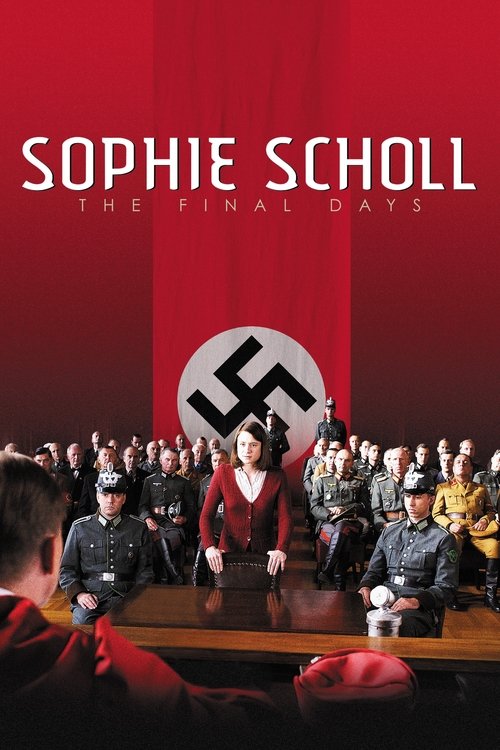
In 1943, as Hitler continues to wage war across Europe, a group of college students mount an underground resistance movement in Munich. Dedicated expressly to the downfall of the monolithic Third Reich war machine, they call themselves the White Rose. One of its few female members, Sophie Scholl is captured during a dangerous mission to distribute pamphlets on campus with her brother Hans. Unwavering in her convictions and loyalty to the White Rose, her cross-examination by the Gestapo quickly escalates into a searing test of wills as Scholl delivers a passionate call to freedom and personal responsibility.
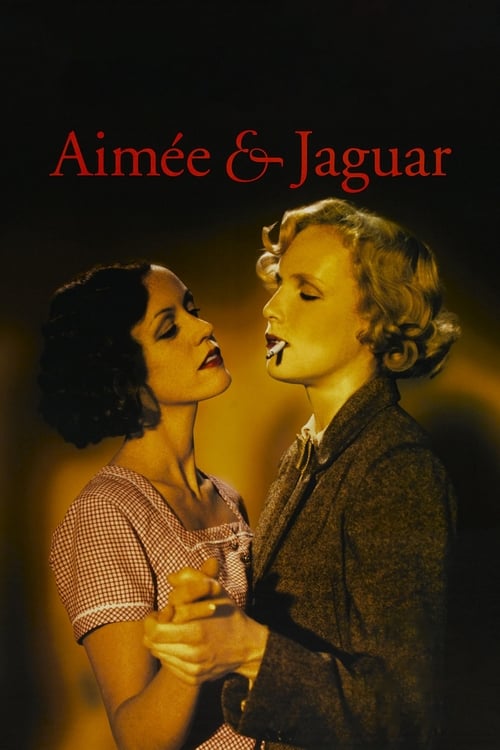
In 1943, while the Allies are bombing Berlin and the Gestapo is purging the capital of Jews, a dangerous love affair blossoms between two women – one a Jewish member of the underground, the other an exemplar of Nazi motherhood.
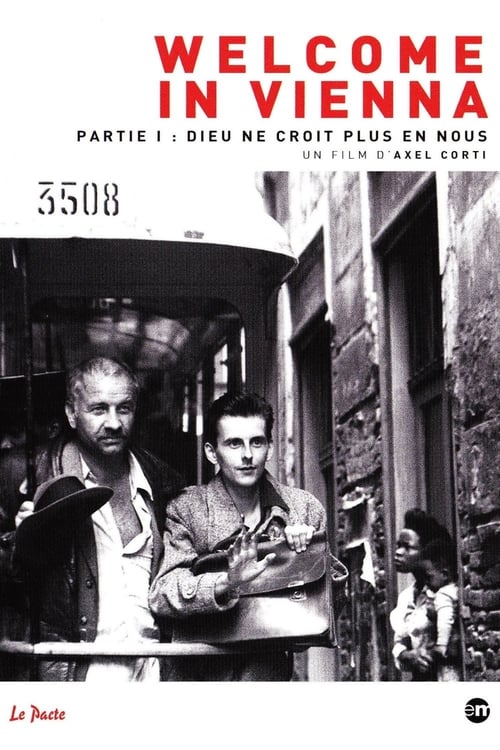
After his father is murdered by the Nazis in 1938, a young Viennese Jew named Ferry Tobler flees to Prague, where he joins forces with another expatriate and a sympathetic Czech relief worker. Together with other Jewish refugees, the three make their way to Paris, and, after spending time in a French prison camp, eventually escape to Marseille, from where they hope to sail to a safe port.
A love letter to Mar del Plata made of images, times and a road trip. "The Happy Ones" is an experimental short documentary composed of past and present family footage. It portrays a place in the summer, the city of Mar del Plata, with a span of 20 years between past and present images (January 2000 and 2020). Despite the time that passed by, it's beaches, essence and people remain, always willing to keep dancing.
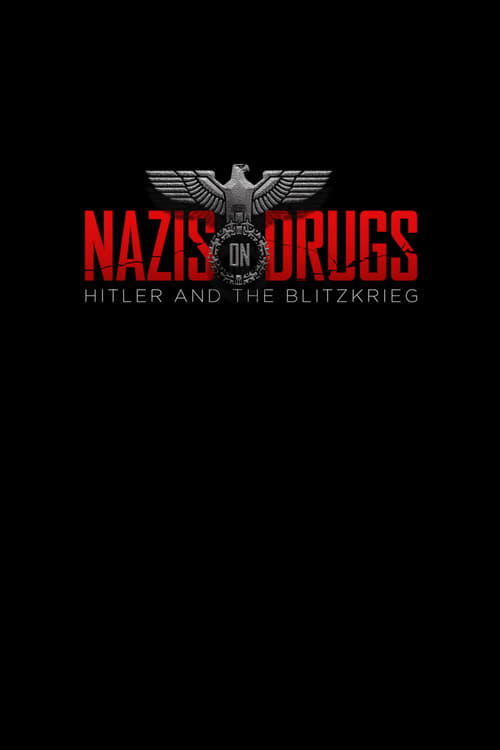
For all its talk of racial, spiritual, and physical purity, the self-anointed “Master Race” harbored a secret…theirs was an axis of drug addicts. This two-hour special explores the origin, impact, and lasting effects of the state-sponsored drug use that helped build—and eventually burned—the Third Reich. Incredible new sources of information, including a detailed journal maintained by Hitler’s personal physician, reveal the extent of not just his, but the entire Nazi Party’s reliance on drugs to power their war effort.