No Trailers found.
No Cast found.
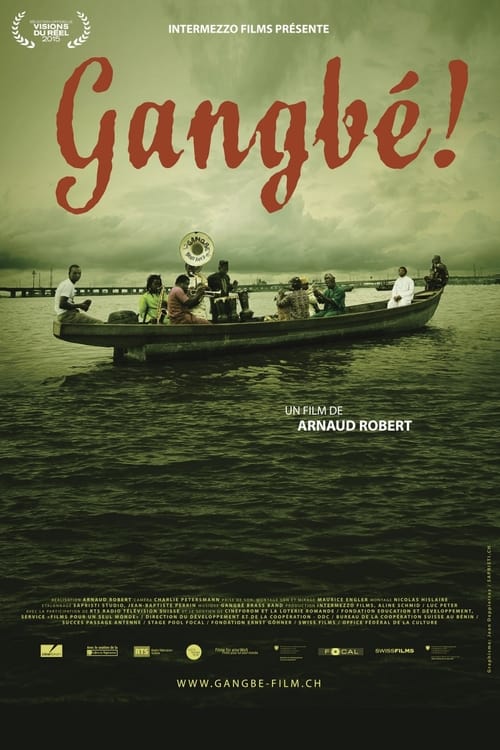
The Gangbé Brass Band, a musical group from Benin, sets out to conquer Lagos, capital of Nigeria.
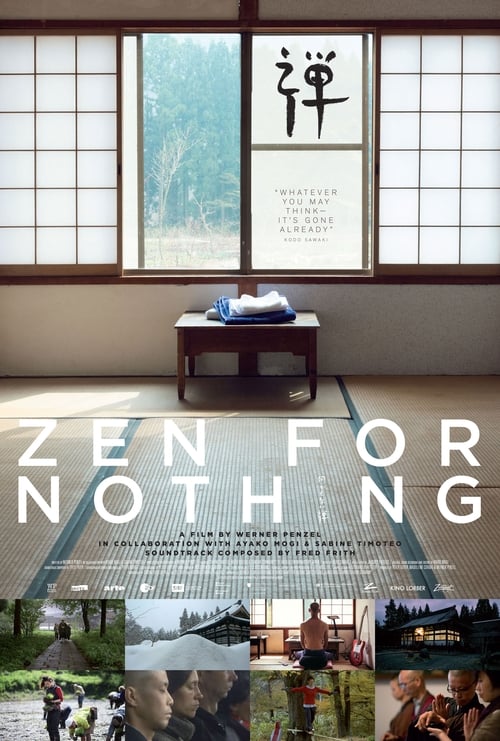
Hidden in the wooded mountains on the west coast of Japan lies the small Zen monastery Antaiji. A young woman sets off to immerse herself through autumn, winter and spring in the adventures of monastic life. The young woman is Sabine Timoteo from Switzerland. The abbot of the monastery is Muho Noelke, born in Berlin. An interplay between the philosophy of the Japanese Zen master Kodo Sawaki and the surprises brought forth by everyday life.
No overview available.
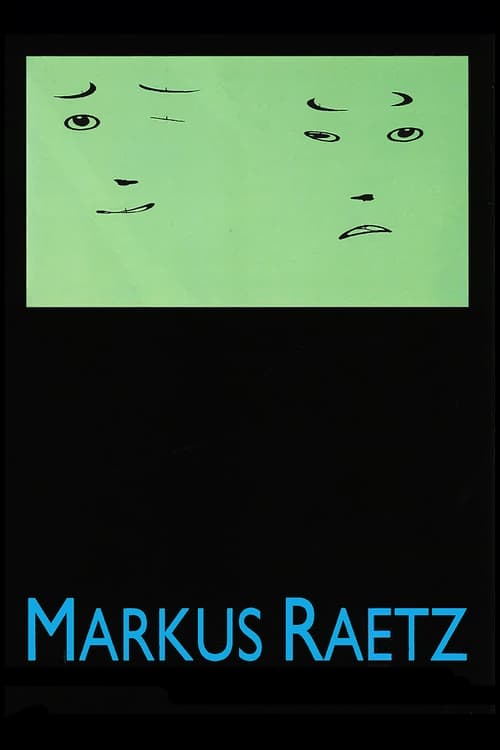
Swiss artist Markus Raetz has a sixth sense for apprehending the extraordinary. His works are as astonishing as a magician's sleight of hand: they shake up visual habits and show things from a completely different perspective. To further surprise the viewer, this perceptive Swiss artist makes use of the most diverse techniques, materials and media. His installations and sculptures change their appearance according to their own movement or that of the viewer contemplating them. For example, a rabbit becomes a man in a hat, evoking Beuys, or a yes turns into a no. This document presents us with a highly personal view of the world and the man behind these exceptional works.
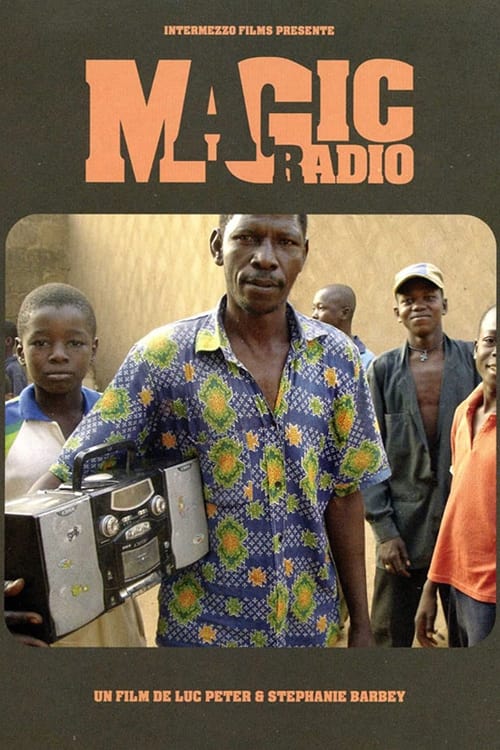
Radios echo across Niger, connecting lives through news, music, and debate. This gripping doc explores how this everyday device becomes a lifeline in a changing nation.
Fantasizes an 'Old' Middle East, wherein communities were not divided along ethnic and religious lines; a Middle East in which even metaphorical borders had no place
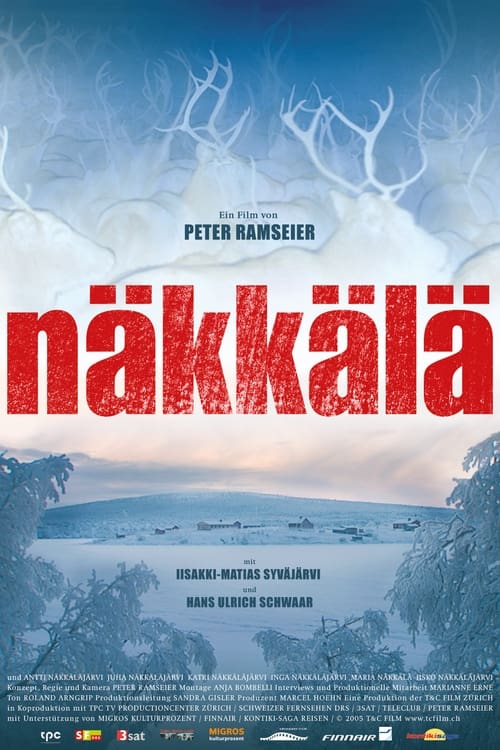
A hamlet in Finland's sprawling tundra. It became the second home of Emmental's Hans Ulrich Schwaar. He lives here with his friend and host, Sami Iisakki-Matias Syväjärvi, owner of the largest reindeer herd in Finland. The reindeer and the rhythm of nature determine daily life. Peter Ramseier has captured this life and the friendship between two men from different cultures in superb, poetic images.
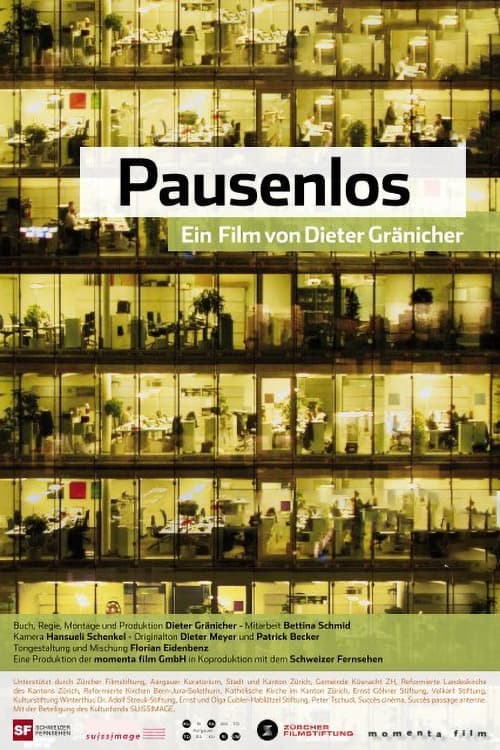
The film portrays people with different time consciousness. A computer scientist works non-stop. Only when she gets home can she relax. A young employee suffers from sleep disorders and stress at work, and sinks into a state of decompensation. Ski trainer Didier Plaschy looks at the effects of slowing down and speeding up. Time historian Karlheinz Geissler takes a piquantly humorous look at our fast-paced society.
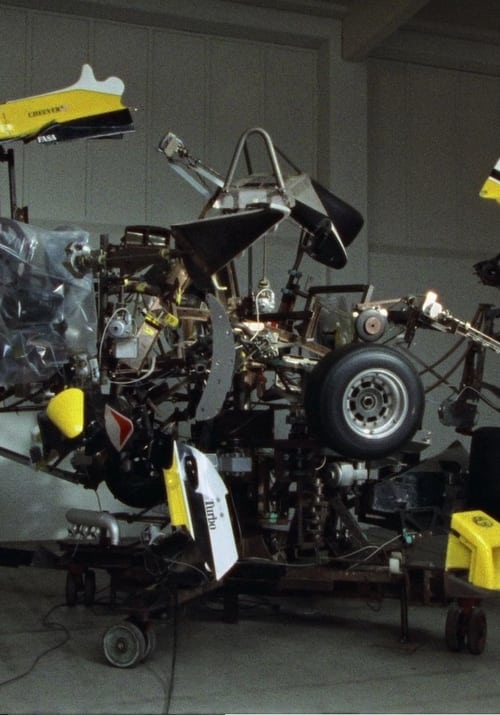
The Jean Tinguely Museum in Basel, Switzerland, designed by Mario Botta, opened in 1996, five years after the Swiss sculptor's death. META MECANO is a poetic depiction of the genesis of this mono-graphic museum, from the builders' first plans and Mario Botta's designs to its construction and the assembly of Tinguely's fragile mobile sculptures. In interviews with Mario Botta, Tinguely's wife Niki de Saint Phalle, museum director Pontus Hultén and Tinguely himself, the film goes on to explore the mission of museums and of art in general today. META MECANO is a unique document on the significance of the artist Jean Tinguely and on the role that museums play in our day and age.
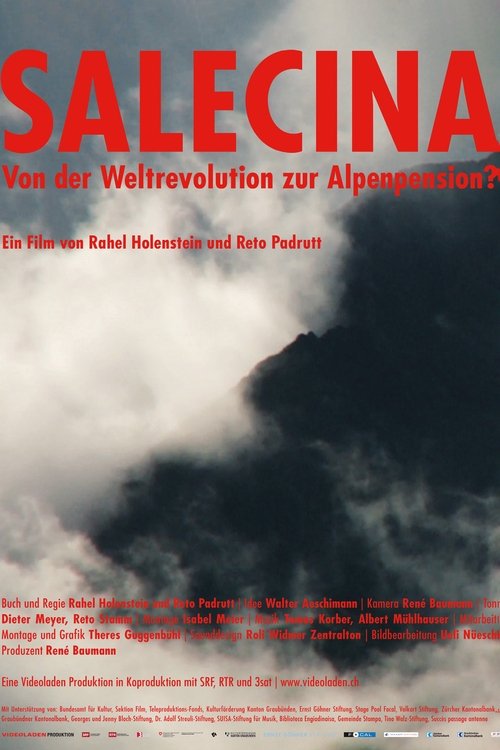
The Salecine meeting place, founded near Maloja in 1971 by Zurich communist bookseller Theo Pinkus, quickly became a socio-cultural and political Mecca for the left-wing intelligentsia. The film provides an overview of the chronicle of this Alpine melting pot of ideas, and also shows the changes in the zeitgeist since 1968. It is also a gentle, sentimental (sometimes self-ironic) tribute to the men and women of three generations of Salecina, who, at 1800 above sea level, are creating utopias for a fairer world.
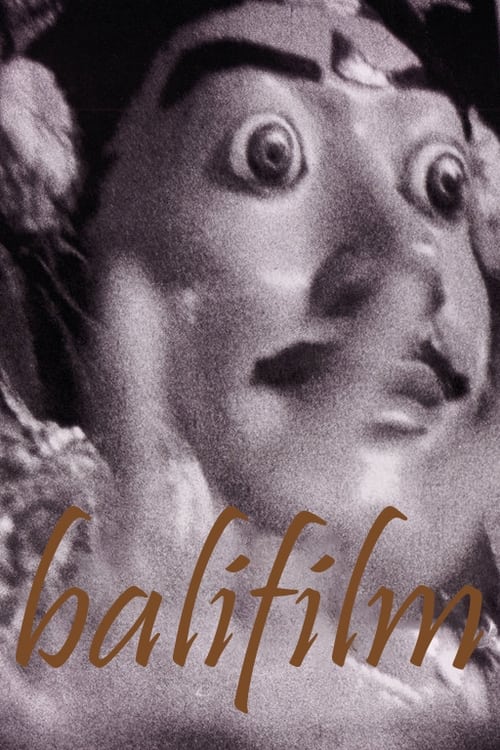
Balifilm was originally commissioned as a stage performance, created from diary images and sounds collected in 1990 and 1992 by Peter Mettler on the island of Bali. The soundtrack is a live recording of eight Gamelan musicians playing the bronze and wooden instruments of Indonesia during the projection of the film. balifilm is a personal, lyrical observation and expression of the creative pulse of an extraordinary culture.
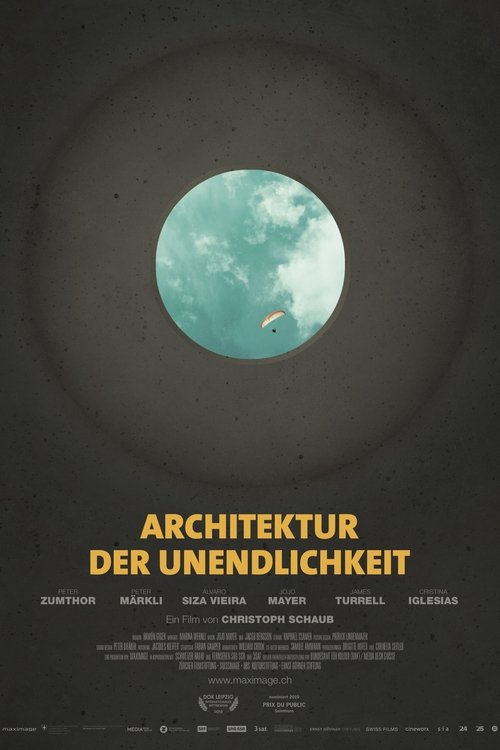
How can structures, which take up defined, rigid portions of space, make us feel transcendence? How can chapels turn into places of introspection? How can walls grant boundless freedom? Driven by intense childhood impressions, director Christoph Schaub visits extraordinary churches, both ancient and futuristic, and discovers works of art that take him up to the skies and all the way down to the bottom of the ocean. With the help of architects Peter Zumthor, Peter Märkli, and Álvaro Siza Vieira, artists James Turrell and Cristina Iglesias, and drummer Sergé “Jojo” Mayer, he tries to make sense of the world and decipher our spiritual experiences using the seemingly abstract concepts of light, time, rhythm, sound, and shape. The superb cinematography turns this contemplative search into a multi-sensory experience.
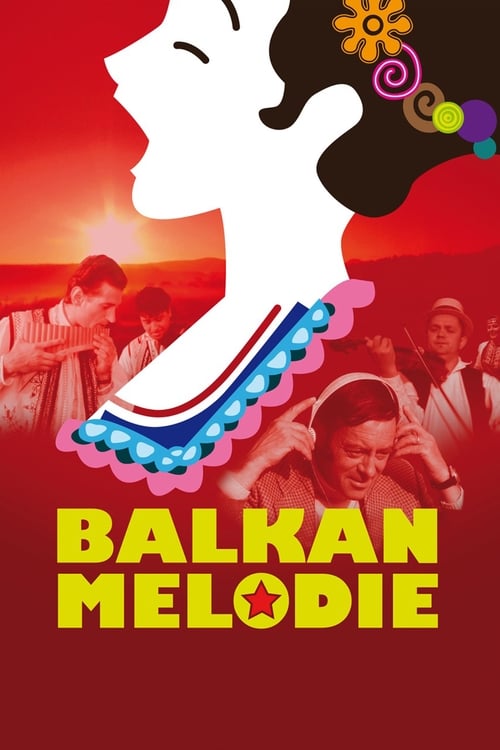
What Swiss director Stefan Schweitert did for accordion music and for yodeling (Accordion Tribe, Cinequest, 2005; Echoes of Home, Cinequest 2008) he now does for traditional Balkan music. This wonderful film is also a love story – and a door into a world of musical wonders.