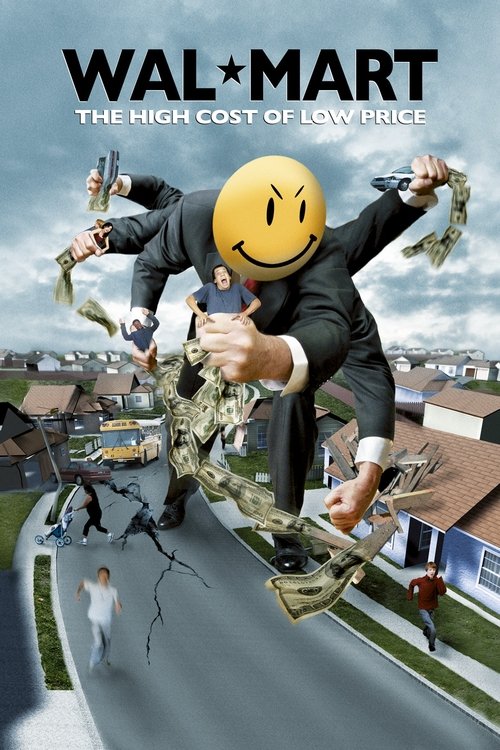
The story, practices, and controversies behind the world's largest retailer.
No Trailers found.
Self - Narrator (voice)
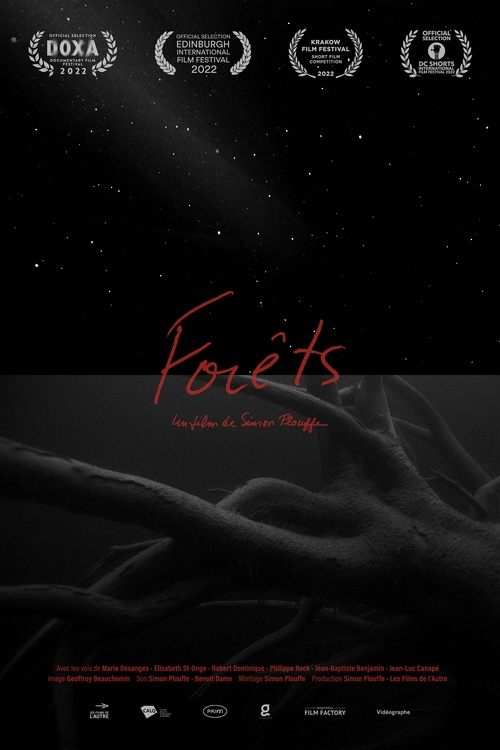
One day, the tree is considered mature. In any case, it is exploitable for the industry. So, we mark it and then cut it down. With the chainsaw or the harvester, it depends. And then it becomes biomass, pallets, panels, pellets, crates, paper pulp for printing promotions. But what profit does man get from the pains he takes under the sun?
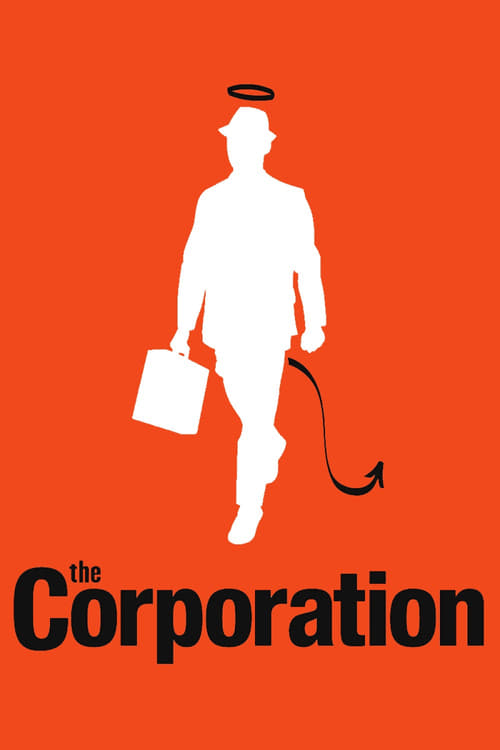
Since the late 18th century American legal decision that the business corporation organizational model is legally a person, it has become a dominant economic, political and social force around the globe. This film takes an in-depth psychological examination of the organization model through various case studies. What the study illustrates is that in the its behaviour, this type of "person" typically acts like a dangerously destructive psychopath without conscience. Furthermore, we see the profound threat this psychopath has for our world and our future, but also how the people with courage, intelligence and determination can do to stop it.
In the late 1960s, Haddon Salt built a fast-food empire. Then Kentucky Fried Chicken came knocking.
The video is accompanied by a richly detailed article that adds more depth to the documentary. If there’s any question about why Hollywood is dead set against the unionization of vfx artists, the following graphic from the article will answer the question: vfx artists comprise the biggest portion of the crew on most Hollywood blockbusters.
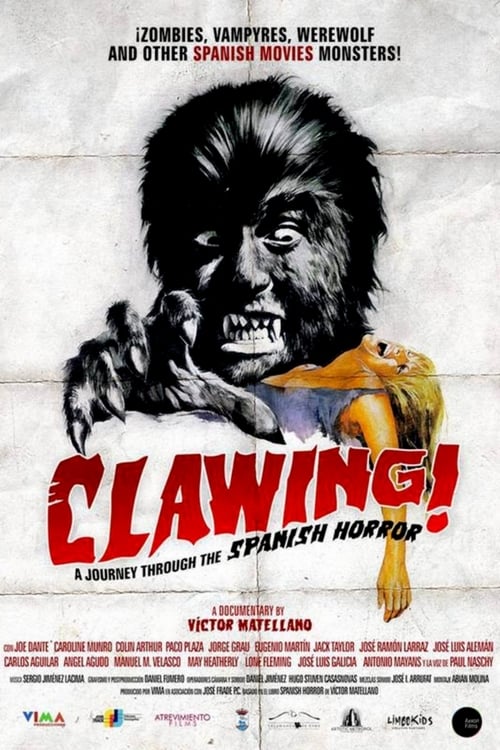
In the late sixties, Spanish cinema began to produce a huge amount of horror genre films: international markets were opened, the production was continuous, a small star-system was created, as well as a solid group of specialized directors. Although foreign trends were imitated, Spanish horror offered a particular approach to sex, blood and violence. It was an extremely unusual artistic movement in Franco's Spain.
In recent years, stories of older British women hooking up with younger Gambian men have made news headlines, from one-night stands to whirlwind weddings. But what's the truth behind the stories? Seyi Rhodes investigates.
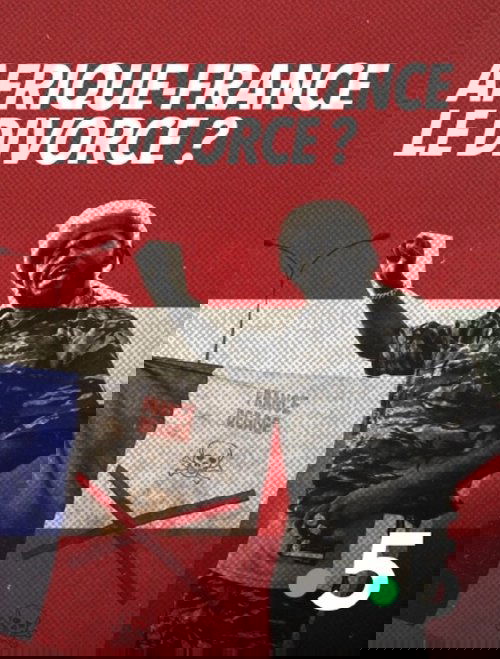
At a time when French flags are being burned and French embassies targeted, this documentary delves into the growing disaffection between French-speaking Africa and the former colonial power. Through the voices of African leaders, pan-African activists, and committed young people, the film questions the persistence of a relationship marked by the aftermath of colonization, the opaque agreements of "Françafrique," and a military presence deemed paternalistic.
Industry insiders, retail experts and former employees reveal the secrets of the the world's biggest furniture seller, IKEA: the tricks they use to get customers to spend, and how the massive maze-like warehouses are designed to keep people there for hours.
In a dark, ambiguous environment, minuscule particles drift slowly before the lens. The image focuses to reveal spruce trees and tall pines, while Innu voices tell us the story of this territory, this flooded forest. Muffled percussive sounds gradually become louder, suggesting the presence of a hydroelectric dam. The submerged trees gradually transform into firebrands as whispers bring back the stories of this forest.
A pseudo-documentary, “Samarang” tells the story of lowly Ahmang (Captain A.V. Cockle) and his socially superior love, Sai-Yu (Theresa Seth). Both live in the village of Samarang in the Indian Ocean. Because Sai-Yu is the daughter of a chief and Ahmang is but a poor fisherman, he needs to increase his wealth before asking for her hand. Thus he accepts the perilous offer of the wily Chang-Fu, who seeks pearl divers. Ahmang must brave the treacherous waters of the Forbidden Lagoon of Sakai, home to bloodthirsty cannibals, killer sharks, and a monstrous grasping octopus. Sai-Yu and Ahmang’s younger brother Ko-Hai come along for kicks, too. Ahmang finds his pearl, but he and Sai-Yu are stranded on the island, where they befriend a local orangutan. When they return to the boat, a shark kills Ko-Hai, and Ahmang must get revenge.
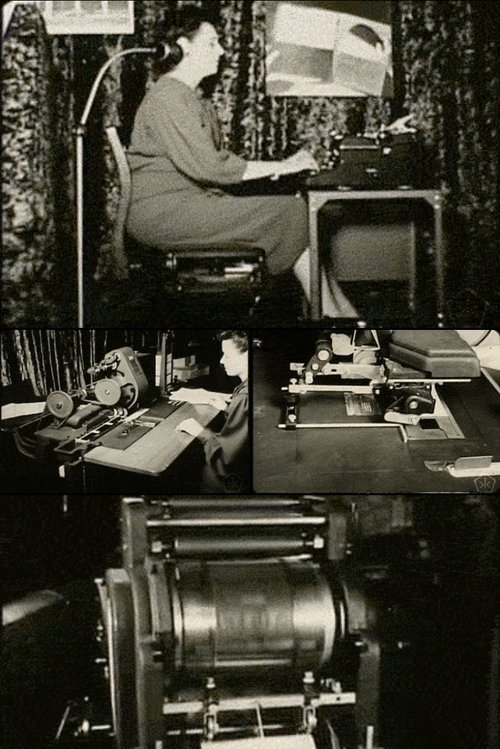
An intriguing historical film, demonstrating many expensive business machines found in modern offices of the era, including electromatic and Chinese typewriters and machines for filming, stenciling, folding and lithographing. Among the machines shown are Diebold's Flofilm microfiche recorder, the Fileomatic Desk, the Pierce Electronic Wire Recorder, the Soundscriber with plastic disk, the Elliott Stencil Machine with Graphotype machine, the Davidson Duplicator for litho printing, the Davidson Folder for letters, the Varityper, the Autotypist Perforator, the IBM Chinese character typewriter, and speed typist Stella Pajunas, using an IBM Model A Electric Typewriter, who set a one-hour typing speed record in 1946 of 140 net five-stroke words per minute.
The question of "who hunts virgins" and more will be stripped down and explored in the sexiest trailers hosted by Playboy's Nikki Leigh.
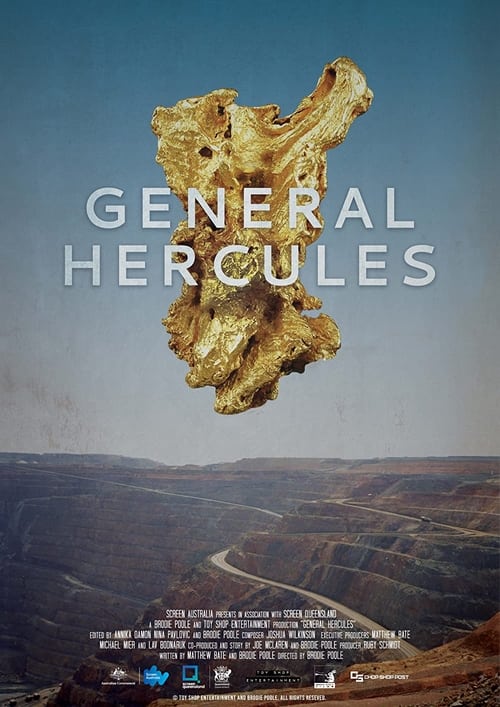
In June 1893, European prospectors unlawfully took claim to ‘The Golden Mile’ on Aboriginal land. In little over a hundred years the natural landscape has been transformed into the industrial hellscape of Kalgoorlie-Boulder. As incumbent Mayor John Bowler starts to campaign for a second term, independent prospector John ‘General Hercules’ Katahanas decides to run against him on an anti-corruption ticket. What starts out as a quirky David-vs-Goliath political battle, unravels into a portrait of a man, a town and a country sent mad by the timeless cycles of exploitation, racism and greed.
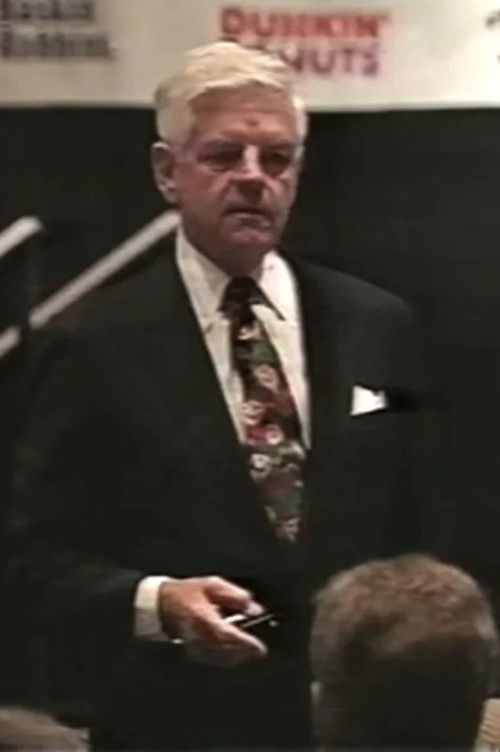
Business speaker Don Beveridge brings his consulting expertise to a corporate engagement for Burger King, Baskin-Robbins, Dunkin' Donuts, Togo's and more.
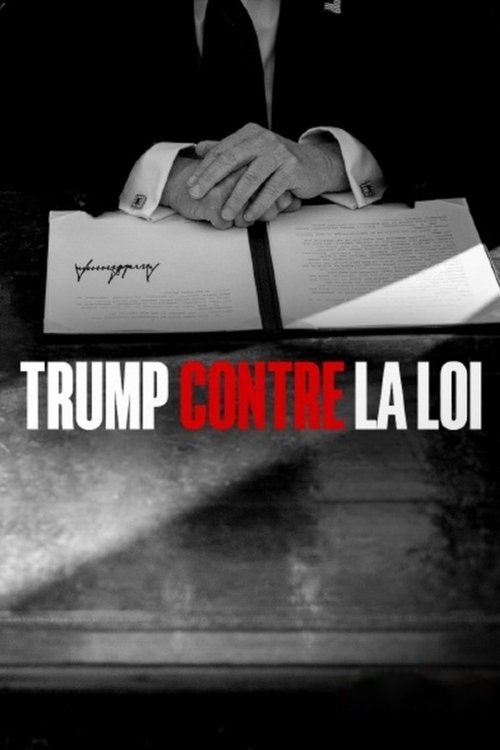
FRONTLINE goes inside the high-stakes showdown between President Donald Trump and the courts over presidential power. Trump allies, opponents and experts talk about how he is testing the extent of his power; the legal pushback; and the impact on the rule of law.
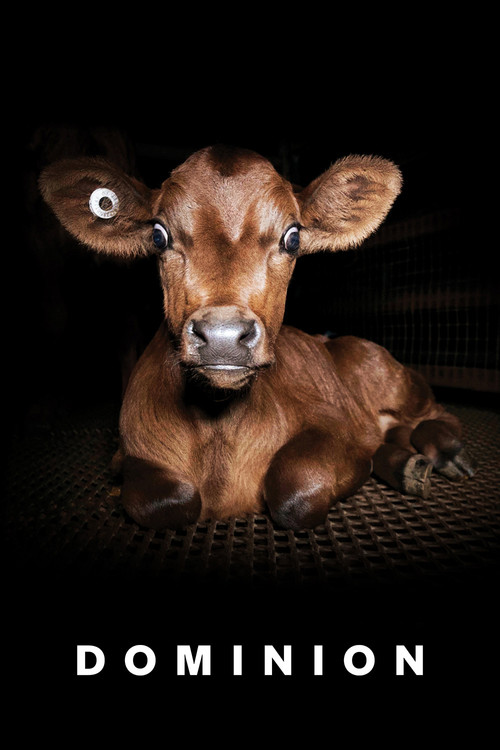
Exposing the dark underbelly of modern animal agriculture through drones, hidden & handheld cameras, the feature-length film explores the morality and validity of our dominion over the animal kingdom.
A team of journalists investigate how human trafficking and child labor in the Ivory Coast fuels the worldwide chocolate industry. The crew interview both proponents and opponents of these alleged practices, and use hidden camera techniques to delve into the gritty world of cocoa plantations.
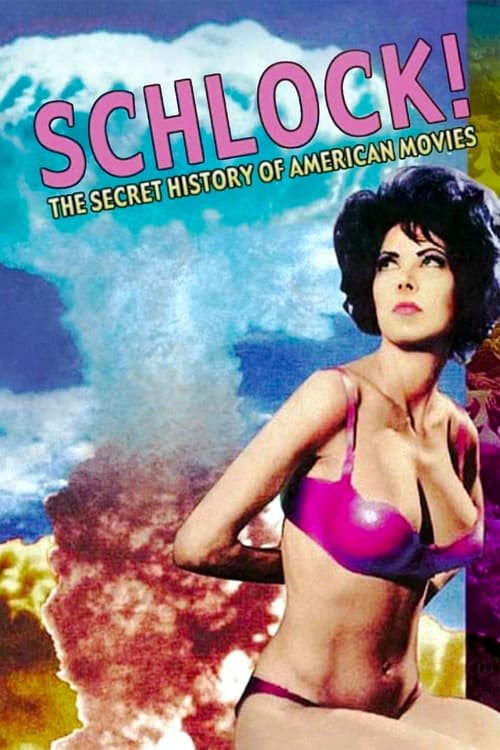
Hollywood is a town of tinsel and glamour; but there is another Hollywood, a place where maverick independent exploitation filmmakers went toe to toe with the big guys and came out on top.
A very human tech doc, uncovers the real costs of the platform economy through the lives of workers from around the world for companies including Uber, Amazon and Deliveroo. From delivering food and driving ride shares to tagging images for AI, millions of people around the world are finding work task by task online. The gig economy is worth over 5 trillion USD globally, and growing. And yet the stories of the workers behind this tech revolution have gone largely neglected. Who are the people in this shadow workforce? It brings their stories into the light. Lured by the promise of flexible work hours, independence, and control over time and money, workers from around the world have found a very different reality. Work conditions are often dangerous, pay often changes without notice, and workers can effectively be fired through deactivation or a bad rating. Through an engaging global cast of characters, it reveals how the magic of technology we are being sold might not be magic at all.
This documentary takes the viewer on a deeply personal journey into the everyday lives of families struggling to fight Goliath. From a family business owner in the Midwest to a preacher in California, from workers in Florida to a poet in Mexico, dozens of film crews on three continents bring the intensely personal stories of an assault on families and American values.