An Edgar A. Guest Poetic Gem featuring vocals by Al Shayne.
No overview available.
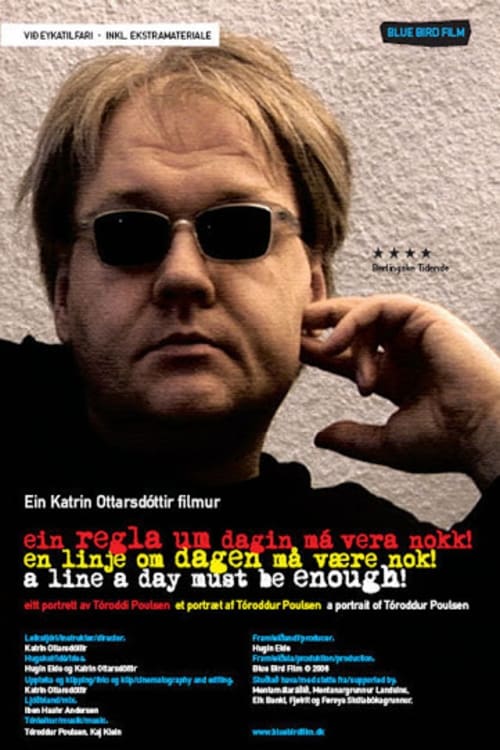
In a film bursting with lyrics, pictures, and music the director shows us a way into the peculiar universe of Tóroddur, and the otherwise not very talkative artist gives us a glimpse of his thoughts on art, God, life and death.
By day, Richard Haig is a successful and well-respected English professor at renowned Trinity College in Cambridge. By night, Richard indulges his own romantic fantasies with a steady stream of beautiful undergraduates. But Richard has grown tired of the game and is looking for something more meaningful and lasting. So when Kate, Richard’s tanned, athletic, 25-year-old American girlfriend tells him that she is pregnant, Richard is thrilled. He looks forward to having a family of his own, being a father his children could be proud of, not some sex-fueled bobcat. There is only one problem. Richard’s not in love with Kate. Richard is in love with Kate’s sister, Olivia. He had been in love with her ever since he first saw her.
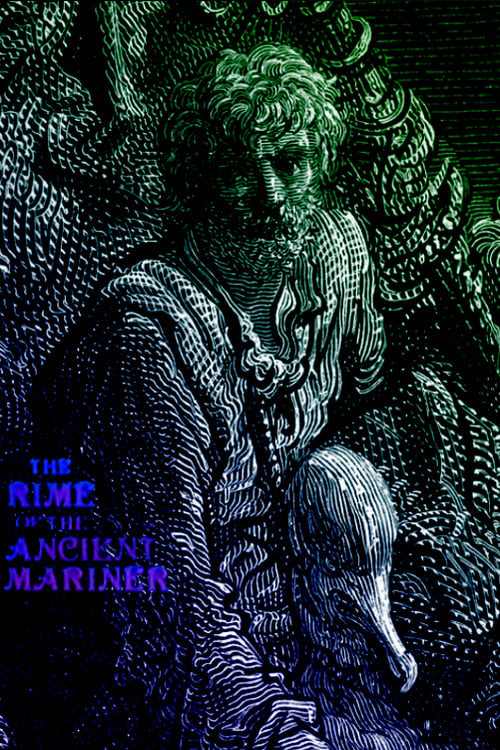
Orson Welles reads the poem especially for this film by Larry Jordan, which is dedicated to the late Wallace Berman, and is made possible by a grant from The National Endowment Of The Arts.
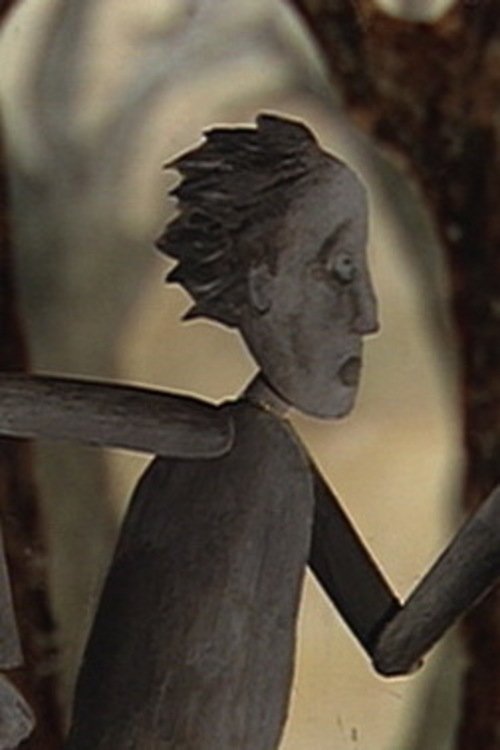
The shadows of screams climb beyond the hills. It has happened before. But this will be the last time. The last few sense it, withdrawing deep into the forest. They cry out into the black, as the shadows pass away, into the ground.
The confluence of words and movement propels this multi-layered collaboration by Atlas, choreographer Douglas Dunn, and poets Anne Waldman and Reed Bye. Dunn's athletic choreography is performed to the rhythms, cadences, and associative meanings of the poets' "cascade of words," which function as music. Atlas introduces narrative references, ironically staging the dance in unexpected locations, including domestic interiors and vehicles. In a self-referential deconstruction that punctures the theatrical illusion, the poets are seen reading their texts and interacting as self-conscious performers within the dance. Atlas and his collaborators intersect the language of words with the language of the body.
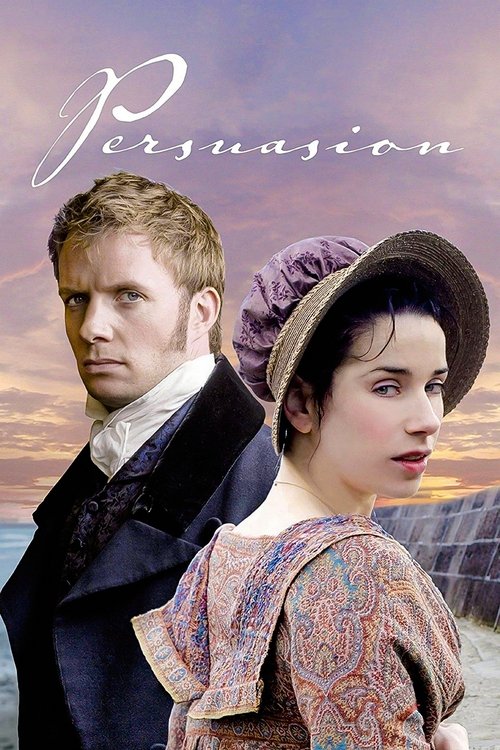
Anne Elliot was once in love with Frederick Wentworth, a commander in the Royal Navy who was rejected by her snobby parents eight years ago. When the family hits hard times and are forced to rent out their mansion to his brother-in-law, Frederick returns as a captain - but will he remember Anne?
Gus Van Sant tells the story of a young African American man named Jamal who confronts his talents while living on the streets of the Bronx. He accidentally runs into an old writer named Forrester who discovers his passion for writing. With help from his new mentor Jamal receives a scholarship to a private school.
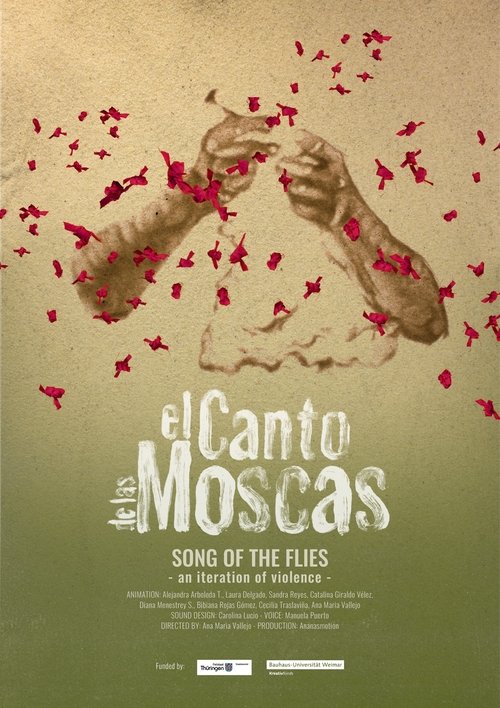
The experimental animated film Song of the Flies (El Canto de las Moscas), translates the desolation caused by the violence of the Colombian armed conflict through the poetic voice of Maria Mercedes Carranza (1945–2003) and the audiovisual dialogue between 9 Colombian women. In 24 places, as a transit over the course of a day (Morning, Day, Night) a map of terror is drawn where massacres took place in Colombia in the 1990s. Archival images, the artists’ personal memories and the use of loops and analogue materials bring to life the landscapes ravaged by violence and build a polyphony of memory and mourning, a universal song of pain.
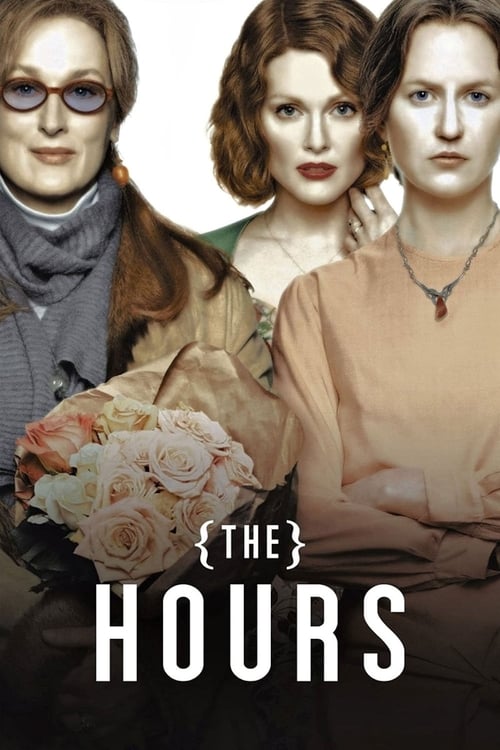
The story of three women searching for more potent, meaningful lives. Each is alive at a different time and place, all are linked by their yearnings and their fears. Their stories intertwine, and finally come together in a surprising, transcendent moment of shared recognition.
At an elite, old-fashioned boarding school in New England, a passionate English teacher inspires his students to rebel against convention and seize the potential of every day, courting the disdain of the stern headmaster.
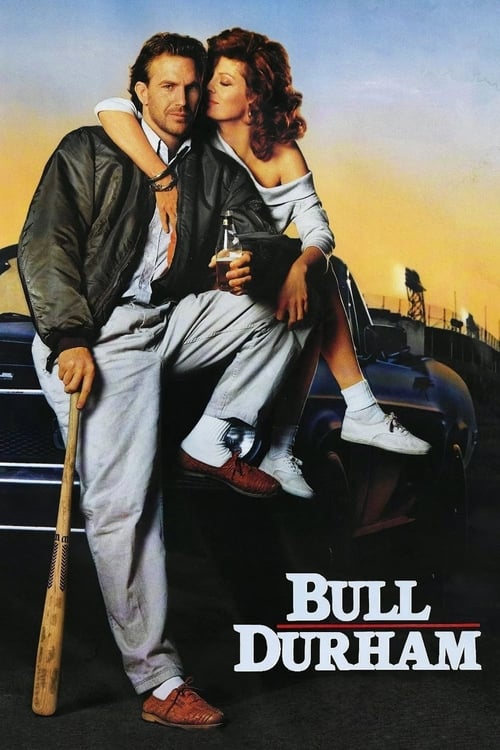
Veteran catcher Crash Davis is brought to the minor league Durham Bulls to help their up and coming pitching prospect, "Nuke" Laloosh. Their relationship gets off to a rocky start and is further complicated when baseball groupie Annie Savoy sets her sights on the two men.
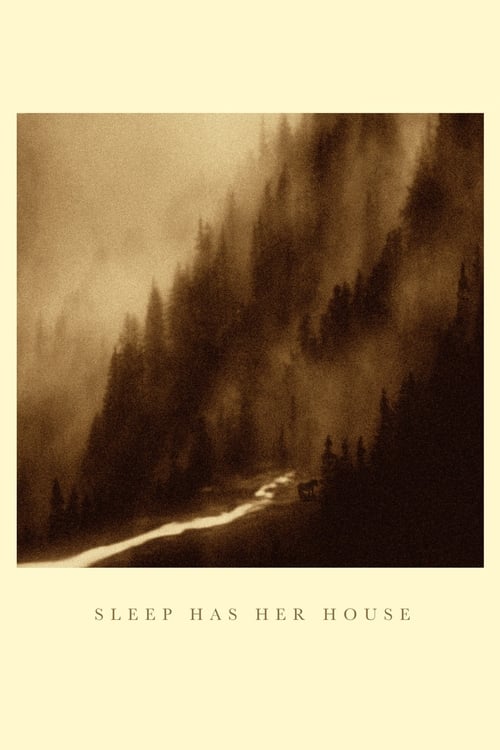
In the course of a real estate search a poem is produced. Images play around this drift between properties.
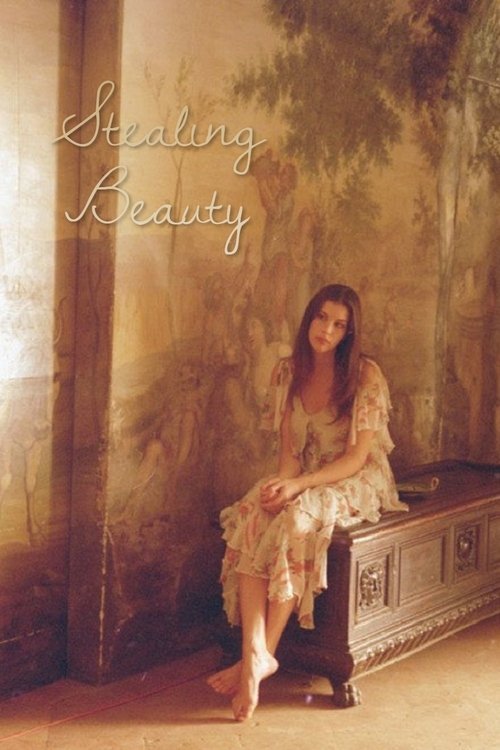
Lucy Harmon, an American teenager is arriving in the lush Tuscan countryside to be sculpted by a family friend who lives in a beautiful villa. Lucy visited there four years earlier and exchanged a kiss with an Italian boy with whom she hopes to become reacquainted.
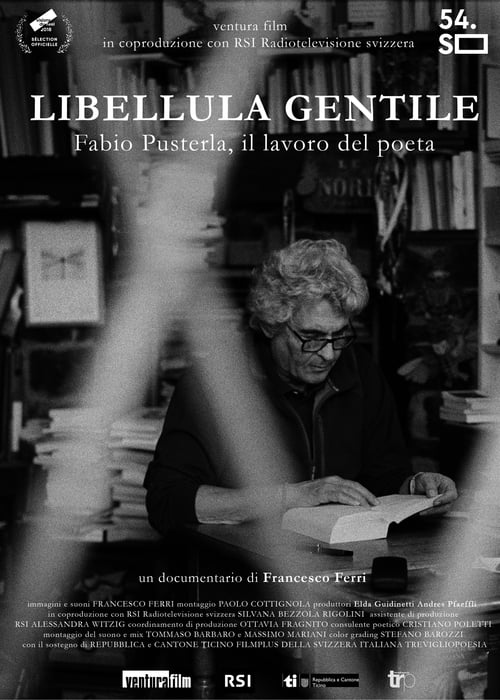
A film about the Swiss Italian poet Fabio Pusterla and his creative poetic process, his struggle to find an honest language, one which adheres to the personal experience and is able to unfold a hidden truth that creates a strong and profound bond with the other, with his public.
The new era of a “Clown” that makes out of anything, comedy. With his absurd visual gags, he takes you out of your comfort zone, and has time to make you wonder with his beautiful lines of poetry.
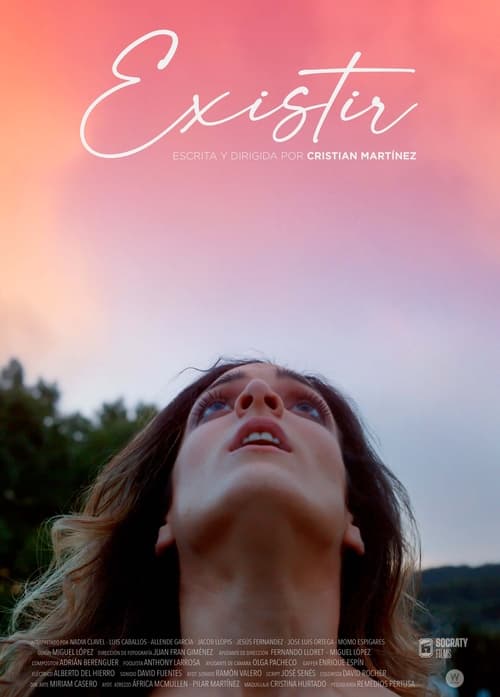
Emma approaches adulthood, she tries to live an ordinary life and keep up to her late mothers expectations. However her anxiety weighs over her, stopping her from enjoying the last few youthful years.
As Black and LGBTQ+ History Month begin this February, material science clothing brand PANGAIA leads celebrations with a poetic film that honors these two communities. Following a year of isolation, and with it a deeper understanding of the importance of outdoor spaces and the environment, Wè is a portrait of the self-love and acceptance we have learned to show others and gift to ourselves.
No Trailers found.
Vocalist
Narrator